
Khamenei's Death Gives Rise to New Generation of Hardline Leaders in Iran
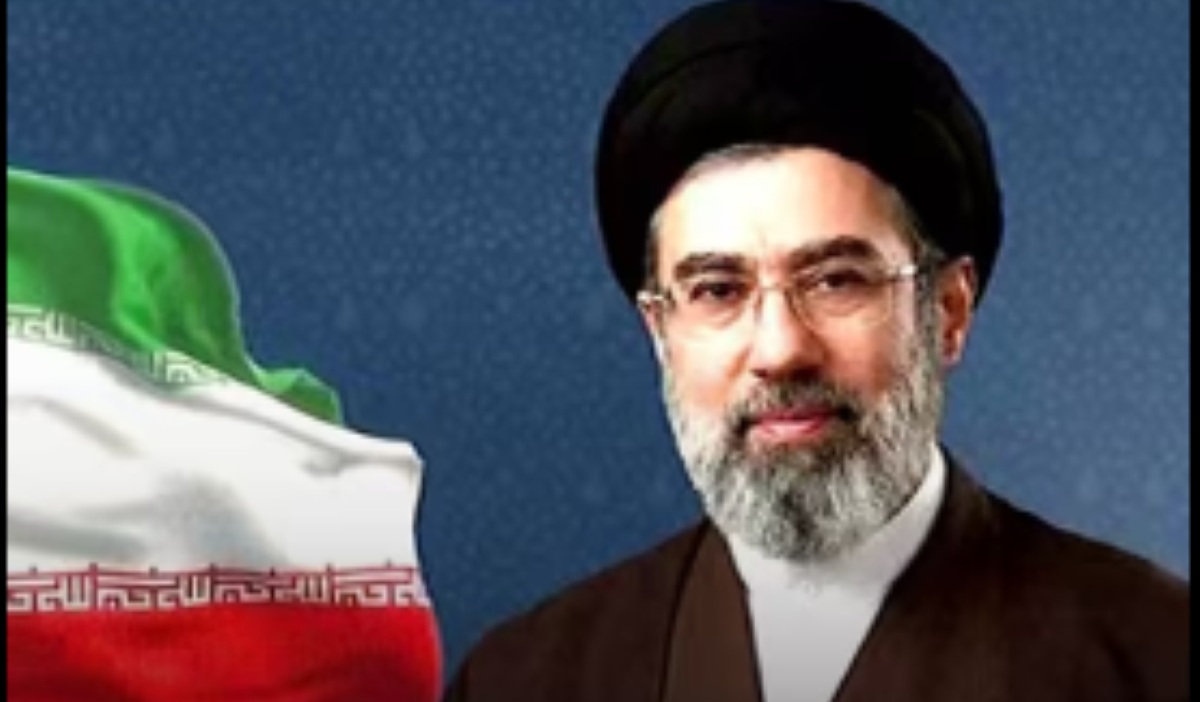
The death of Supreme Leader Ali Khamenei on the first day of war briefly raised hopes in the United States and Israel that the regime gripping Iran since 1979 was on the verge of collapse. However, four months later, as Iran held a state funeral for Ayatollah Ali Khamenei, the procession instead served as proof of the Islamic Republic’s survival. Rather than crumbling, Iran is witnessing the rise of a new, more entrenched, and hardline generation of leaders. Led by Khamenei’s son and successor, Mojtaba Khamenei—who has remained in hiding since being wounded in the attack that killed his father—this new hierarchy is younger and holds a firmer grip on the levers of state power. Security officials and experts assess that this new leadership has learned valuable lessons from the US wars in Iraq and Afghanistan. They are considered more adept at using soft power tools, including diplomacy and online propaganda. Although economically and industrially weakened, Iran is emerging as a bolder and more self-assured power. ‘We are facing a new, bolder, and more confident Iran,’ said Raz Zimmt, head of Iran research at the Institute for National Security Studies in Israel. He noted that the regime remains brutal, reportedly continuing a campaign of executions against domestic critics while carrying out intermittent attacks in the Persian Gulf and tightening its control over the Strait of Hormuz. The new power structure is dominated by figures whose formative years were spent in security institutions or military units. These are the individuals responsible for suppressing domestic protests and arming proxy militias such as Hezbollah and Hamas. In contrast, civilian figures like President Masoud Pezeshkian and Foreign Minister Abbas Araghchi are reported to be increasingly sidelined, their influence diminished in the war-driven reshuffle. The rapid consolidation of power by this loyalist group refutes claims by President Donald Trump that the war would lead to regime change or empower pragmatic factions. Instead, Trump’s hardline approach has reinforced the narrative of the hardliners that Iran is engaged in an existential struggle against the US and its allies. Experts warn that Mojtaba Khamenei and his inner circle will face a critical test once the war ends, particularly in rebuilding the shattered economy. However, a preliminary agreement by the Trump administration to release billions of dollars in frozen Iranian assets could provide a lifeline for the new leadership team. The funeral for Ali Khamenei became a critical test of the regime’s confidence. Mojtaba’s public absence could be interpreted as a sign of physical weakness or an inability to lead. Yet, an Iranian diplomat stated it is unlikely he will appear due to fears of assassination attempts by the US or Israel. Despite remaining in hiding, Mojtaba is believed to retain control over strategic decisions through intermediaries. He has set red lines for negotiations with the US, including refusing substantive discussions on the nuclear programme until a permanent ceasefire is achieved. With a new generation that better understands American pressure points, Iran now feels more confident in dictating terms in the region.