
Key Vehicle Components to Monitor When Switching to B50 Biodiesel
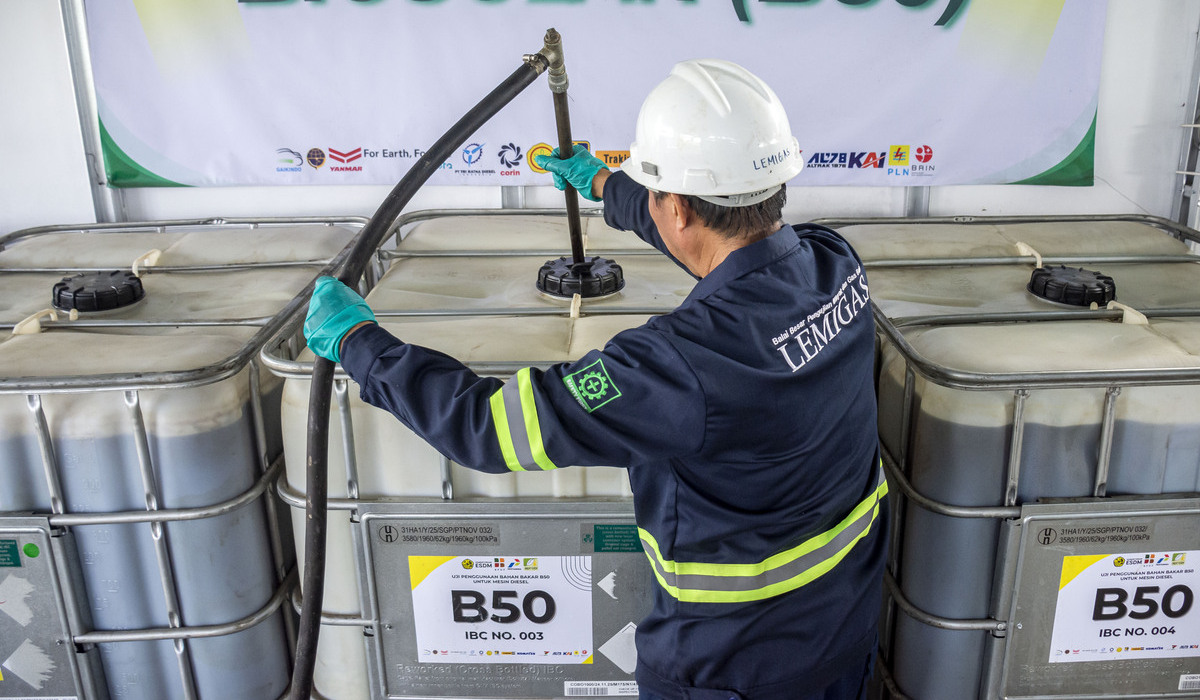
The mandatory use of B50 biodiesel, scheduled to take effect in July 2026, has brought new considerations for diesel vehicle owners. Although the transition does not demand major changes in maintenance routines, an automotive expert from the Bandung Institute of Technology (ITB), Yannes Martinus Pasaribu, has reminded owners of the importance of monitoring specific components to ensure optimal engine performance.
According to Yannes, the transition from B30 and B40 to B50 will not cause as drastic a deposit cleaning effect as seen in the early stages of biodiesel adoption. This is because diesel engines in Indonesia have generally adapted to fuel with plant-based content. “Maintenance for B50-fuelled vehicles is not much different from B40; the key is discipline. Since engines are already accustomed to B30 and then B40, the effect of cleaning old deposits when moving to B50 is much smaller,” Yannes said in Jakarta on Wednesday.
Although the transition is predicted to be smoother, Yannes stressed that several components remain critical points requiring extra attention. In addition to component checks, users are advised to keep the fuel tank clean and avoid storing B50 in the tank for extended periods to maintain fuel quality.
The Ministry of Energy and Mineral Resources has declared all sectors ready to implement the B50 policy ahead of its inauguration by President Prabowo Subianto. Ministry spokesperson Dwi Anggia explained that extensive trials have been conducted. “B50 has been tested on various vehicles, from heavy equipment, ships, and trains, to agricultural machinery and mining vehicles such as excavators,” Dwi Anggia stated.
With consistent routine maintenance at authorised workshops or those familiar with biodiesel characteristics, diesel vehicles are expected to safely adopt B50 without compromising engine reliability.