
Key to Sustainable Electric Motorbike Conversion Workshops Lies in After-Sales Services
President Prabowo Subianto has proposed a government plan to convert 120 million motorcycles to electric, aiming to reduce fuel imports and save foreign exchange. However, the ambitious target overlooks ground realities. Previous administrations tried similar programs but failed to meet targets. Public interest remains low despite free conversion schemes.
National automotive analyst Bebin Djuana doubts the government can successfully implement a 120-million-unit conversion project.
“If the government turns this into a project executed by private workshops, many will avoid it due to unclear payment timelines,” Bebin told Kompas.com recently.
He argues that instead of rigid government project schemes that complicate funding for SMEs and partner workshops, the government should act as a regulator and facilitator.
Key improvements needed include creating a healthy ecosystem, from reducing component costs to clear regulations.
“Let the public convert naturally—don’t burden components with various taxes because it’s a government program, so prices stay affordable. Standardisation must be clear,” Bebin said.
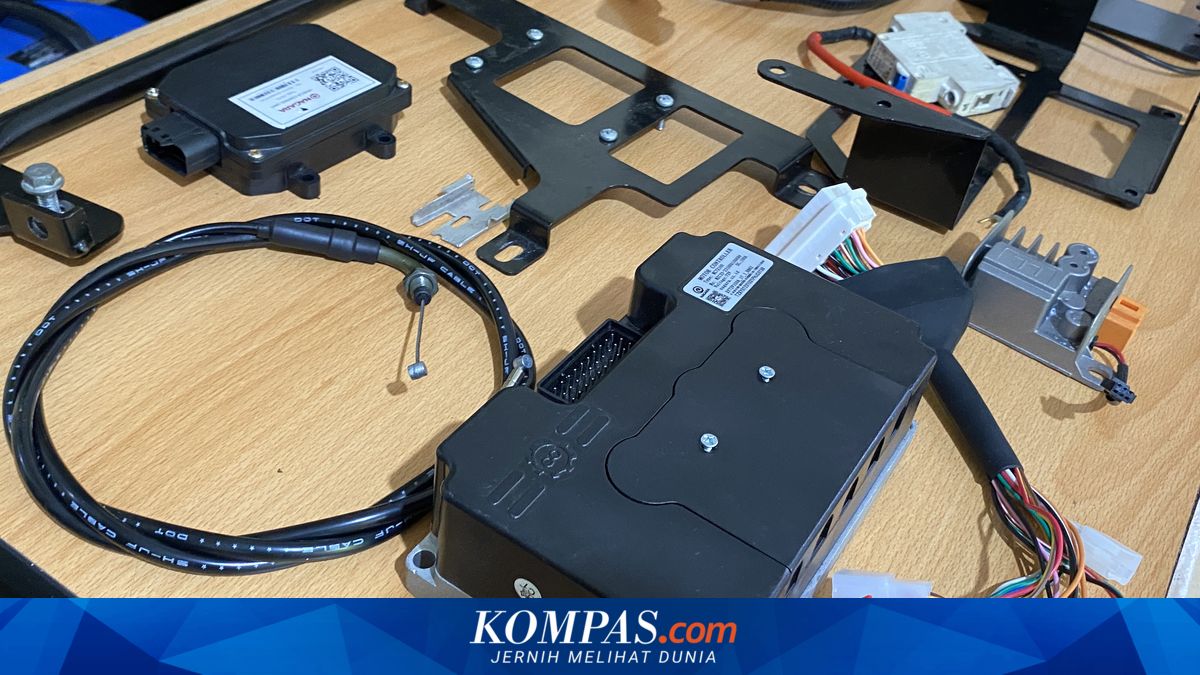
Tax incentives for downstream sectors, such as exemptions on batteries, controllers, and drive motors (conversion kits), would naturally lower consumer prices without complex bureaucratic subsidies.
Component standardisation is crucial for consumer confidence in replacing spare parts later.
Bebin also notes that the business appeal for private workshops and SMEs isn’t just in initial installation services but the long-term ecosystem.
When converted electric motorcycle populations grow naturally due to lower prices, local workshops’ economies will sustain themselves through after-sales services.
“Workshops converting motorcycles also earn income from post-conversion maintenance,” he said.