
Key Points of the US-Iran Memorandum of Understanding Towards Peace
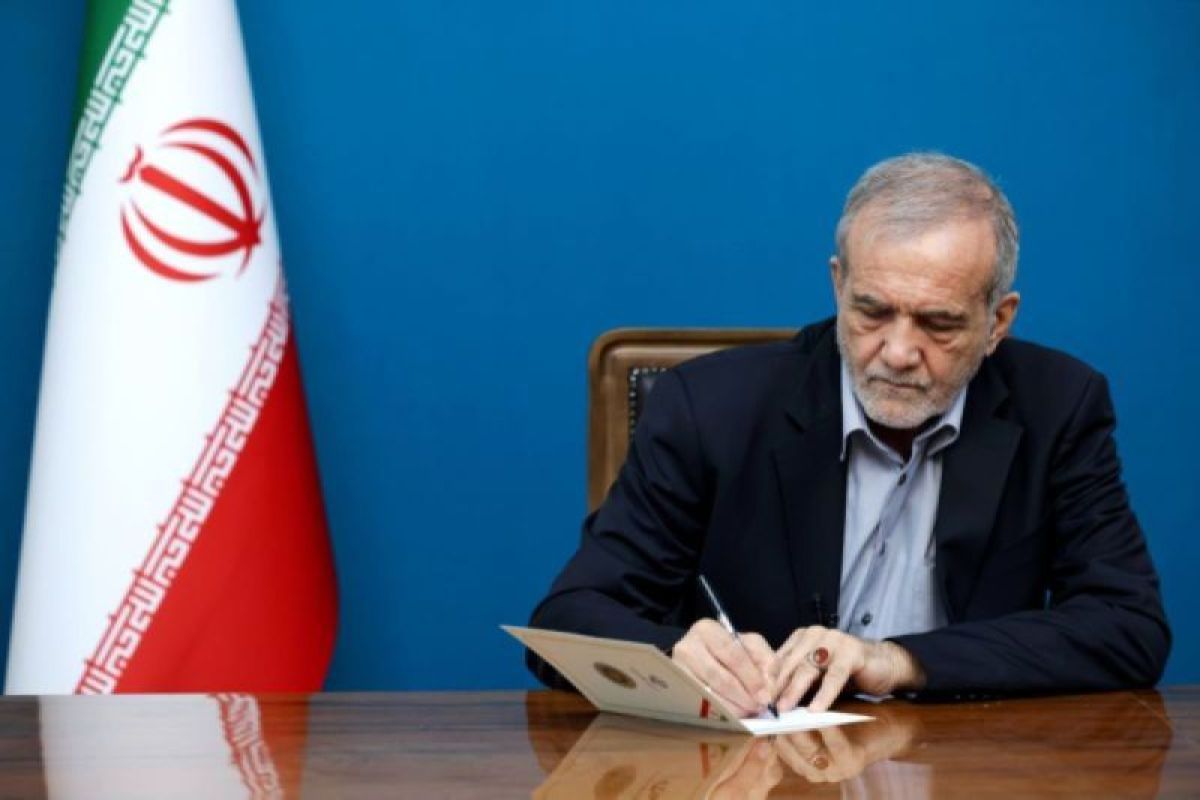
Iranian media on Monday published details of a draft memorandum of understanding containing 14 points between Iran and the United States, outlining a proposed framework to end the war and move towards a final agreement. The semi-official Mehr news agency reported that the draft calls for an immediate and permanent cessation of war on all fronts, including Lebanon, the lifting of the US naval blockade against Iran, the reopening of the Strait of Hormuz, and a 60-day negotiation period covering nuclear issues and the lifting of sanctions. The draft emerged after Iran stated that a memorandum of understanding had been finalised and would be formally signed on Friday in Geneva, while US President Donald Trump said a deal with Iran was done and announced the reopening of the Strait of Hormuz and the ‘immediate lifting’ of the US naval blockade.
Key points of the agreement include an end to the war and a US commitment to non-interference in Iran’s internal affairs and respect for the sovereignty of the Islamic Republic. The draft requires the US to withdraw its forces from around Iran and refrain from deploying additional troops or imposing new sanctions during the negotiation period. It also stipulates the full lifting of the US naval blockade within 30 days and the reopening of the Strait of Hormuz under Iranian management within the same timeframe, with a monitoring mechanism to oversee implementation. Sanctions on the sale of Iranian oil, petrochemicals and derivatives would be suspended, granting Tehran full access to its financial processes. The draft calls for the release of USD 24 billion in frozen Iranian assets during the 60-day negotiation period, with half of the amount made available before final talks begin. A final agreement would include the complete lifting of US primary and secondary sanctions and the termination of related UN Security Council and IAEA Board of Governors resolutions.
On nuclear issues, the 60-day negotiation period is intended to reach a final deal focused on nuclear matters and sanctions relief. Iran would reaffirm its commitment under the Non-Proliferation Treaty not to manufacture nuclear weapons. The final negotiations would solely address the fate of enriched material and enrichment activities, sanctions removal, and Iran’s economic reconstruction. The report added that Iran’s missile programme and support for resistance groups are definitively excluded from the final negotiation agenda. The draft also requires the US and its allies to present a reconstruction plan for Iran worth at least USD 300 billion, with the final agreement to be ratified through a UN Security Council resolution. Final negotiations will not commence until half of Iran’s frozen assets are released, oil sanctions are suspended, and the naval blockade is lifted. Separately, Tasnim News Agency, citing informed sources, reported that last-minute changes were incorporated into the draft during the final stages of negotiations, including provisions related to the administration of the Strait of Hormuz. The source added that guarantees concerning Lebanon’s sovereignty and territorial integrity were also inserted at a late stage and played a key role in Iran’s decision not to carry out a planned retaliation.
Source: jawawa.id (https://jawawa.id/newsitem/key-points-of-the-us-iran-memorandum-of-understanding-towards-peace-1781499276)
Originally published by Antara (Indonesian) (https://www.antaranews.com/berita/5608335/poin-poin-utama-nota-kesepahaman-as-iran-menuju-perdamaian), translated from Indonesian