
Key points of the Police Bill approved by the House of Representatives
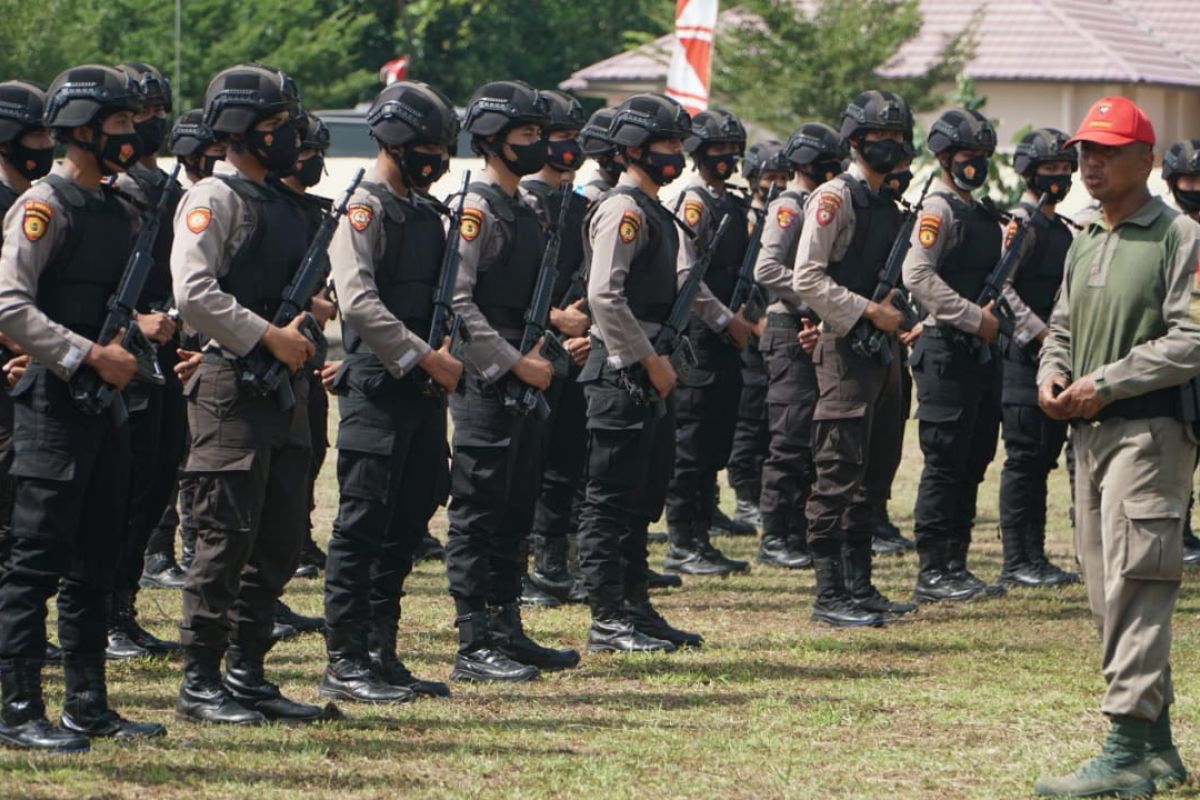
The plenary session of the DPR RI has approved the Bill concerning the Third Amendment to Law Number 2 of 2002 regarding the National Police of the Republic of Indonesia (RUU Polri), officially enacting it into law.
Chairman of Commission III of the DPR RI, Habiburokhman, stated that the Police Bill was designed to refine various regulations following the enactment of the New Criminal Code (KUHP) and the Criminal Procedure Code (KUHAP). During his report at the DPR RI Building in Senayan, Jakarta, on Tuesday, Habiburokhman noted at least eight key areas addressed in this revision.
These include: the affirmation of the National Police’s transformation towards transparency, professionalism, and integrity; the strengthening of oversight functions and the application of modern information technology; ensuring neutrality and professionalism in human resource management; and enhancing policing duties focused on public service, protection, and law enforcement. Additionally, the bill provides stricter regulations for officers serving outside the police institution, clearer rules regarding retirement ages, the internalisation of human rights-based curricula, and the strengthening of the National Police Commission (Kompolnas).
Regarding retirement, Article 30, paragraph (5) letter c stipulates that the retirement age for four-star high-ranking officers (the Chief of Police) is a maximum of 60 years, though this may be extended by one year or as required by a Presidential Decree. For lower ranks, the retirement age for privates and non-commissioned officers is 59, while for junior, middle, and high-ranking officers, it is 60. Deputy Minister of Law Edward Omar Sharif Hiariej explained that this distinction is intended to maintain motivation and ensure personnel regeneration.
The bill also regulates the placement of active police officers in civilian positions. Under Article 28A, paragraph (1), officers may hold positions outside the police organisation provided they are related to policing functions, specifically within ministerial or institutional roles involving public order, community protection, or law enforcement. This regulation follows a Constitutional Court ruling requiring clear legislative guidelines for such placements.
Educational requirements for joining the police remain unchanged, with a minimum requirement of a high school diploma (SMA) for non-commissioned officers. However, the police continue to accommodate bachelor’s degrees (S-1) for those entering the Police Inspector School for Graduates. Finally, the bill clarifies that members of Kompolnas are appointed and dismissed by the President, with a fixed term of four years, renewable once.
Source: jawawa.id (https://jawawa.id/newsitem/key-points-of-the-police-bill-approved-by-the-house-of-representatives-1780988558)
Originally published by Antara (Indonesian) (https://www.antaranews.com/berita/5600260/simak-poin-poin-penting-dalam-ruu-polri-yang-disetujui-dpr), translated from Indonesian