
Key Points of the Domestic Workers Protection Bill: Including BPJS Rights to Wage Issues
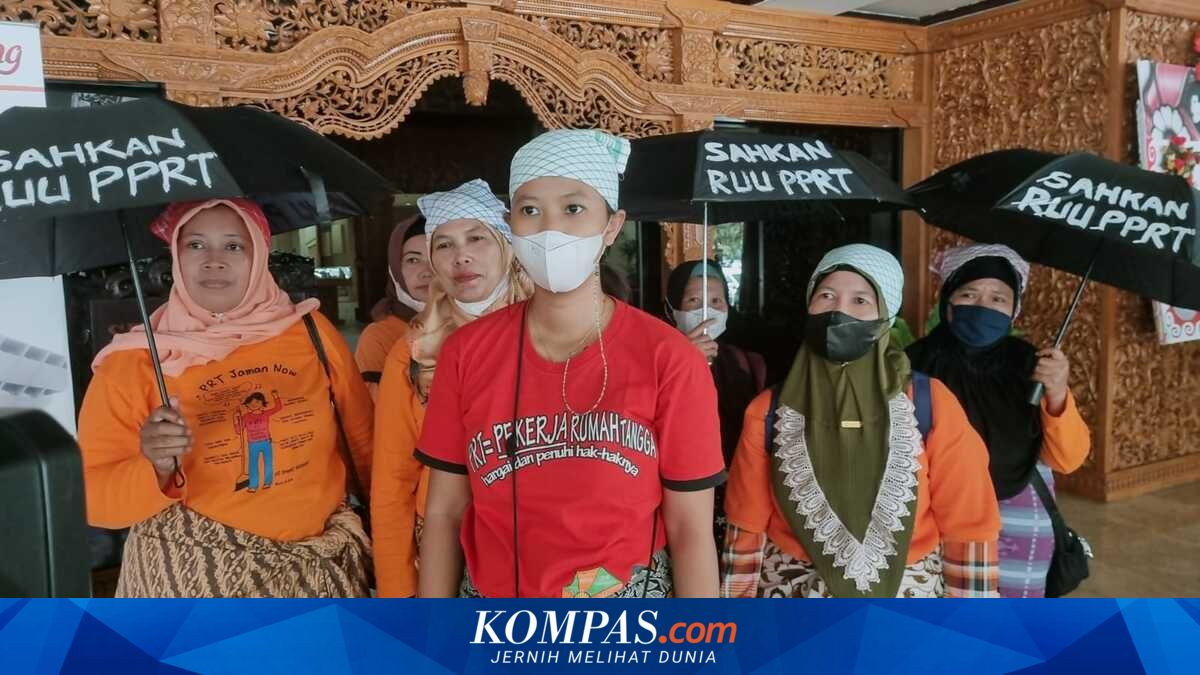
JAKARTA, KOMPAS.com – The Domestic Workers Protection Bill (RUU PPRT) will be officially enacted today. What regulations does it contain?
The RUU PPRT will be passed into law during the Plenary Session of the Indonesian House of Representatives (DPR RI) on Tuesday (21/4/2026) this morning.
The Chairman of the Legislation Body (Baleg) of DPR RI, Bob Hasan, stated that the RUU PPRT includes several new regulations covering rights, recruitment mechanisms, and social security guarantees for domestic workers.
“The RUU PPRT was agreed upon in the Working Group meeting and overall consists of 12 chapters and 37 structured articles, from general provisions to closing provisions,” said Bob Hasan during a working meeting on Monday (20/4/2026) evening.
There are also regulations regarding wages. Placement companies for domestic workers (PRT) must not deduct PRT wages.
To prevent violence against PRT, the RUU PPRT stipulates that Neighbourhood Associations (RT) and Community Associations (RW) should also protect PRT in their areas.
Regarding age, PRT must be at least 18 years old unless they were already employed before this bill becomes law.
Of that number, 261 Dissenting Opinions in Meetings (DIM) were retained, 55 were editorial, 23 were new substantive DIM, and 19 were deleted.
Bob Hasan explained that several important points regulated in this bill include:
Regulations for the protection of domestic workers (PRT) based on family principles, respect for human rights, justice, welfare, and legal certainty.
Recruitment of PRT can be done directly or indirectly.
Every person who assists with work within the scope of household affairs based on customs, kinship, family, education, or religion is not considered as PRT as regulated in this law.
Indirect recruitment of PRT by PRT Placement Enterprises (P3RT) can be carried out through offline or online mechanisms.