
Key Lesson for the US: Subduing Iran Is Not So Easy
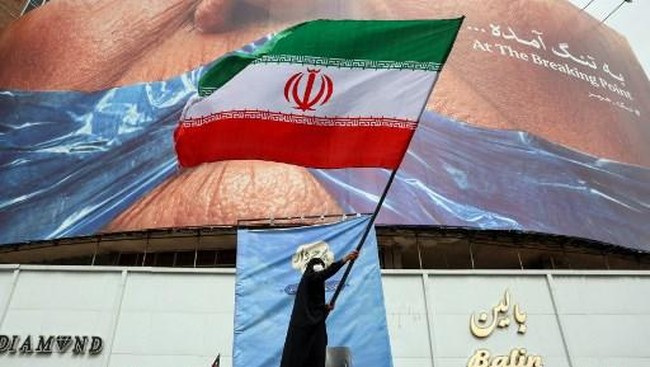
The end of hostilities between the United States and Iran does not mean the path to peace is secure. The initial agreement reached last week is already facing serious challenges, ranging from new threats from President Donald Trump to tensions regarding Lebanon and the Strait of Hormuz.
The Memorandum of Understanding (MoU) signed by Trump in France halted the fighting, reopened the Strait of Hormuz, and offered economic incentives to Iran in exchange for Tehran’s commitment to not develop nuclear weapons. However, several crucial issues, including the future of Iran’s nuclear programme and enriched uranium stockpiles, must still be negotiated in discussions over the next 60 days.
Nevertheless, the cessation of direct hostilities between Washington and Tehran is considered the greatest achievement of the agreement. Why?
“There is a fairly good chance that this ceasefire will hold because it aligns with the interests of both parties,” said Philip Gordon, a former senior US national security official, as reported by CNN International on Monday (22/6/2026).
According to him, Iran has an interest in maintaining the deal as it can regain significant revenue from oil exports, while the US does not wish to become embroiled in another war.
Qatar and Pakistan, acting as joint mediators, also reported progress in negotiations. In a joint statement, both nations noted that talks proceeded in a “positive and constructive atmosphere” and resulted in “encouraging progress.”
Both countries stated that a roadmap towards a final agreement within 60 days has been agreed upon. However, the fragility of the peace framework became apparent just days after the announcement.
Iran claimed to have once again closed the Strait of Hormuz, a move that triggered a harsh response from Trump. The US President even threatened to take control of the strategic shipping lane if Tehran does not reopen it.
Iran appears to understand that Trump is racing against time to reap the political and economic benefits of peace before the US mid-term elections this coming November.
Responding to Washington’s threats, Iran’s chief negotiator, Mohammad Bagher Ghalibaf, wrote on the X platform: “Do they never think that if their threats actually succeed, they will not reach the level of desperation they are in now?” This statement suggests that Tehran does not intend to grant Trump a swift diplomatic victory.
Furthermore, Iran is attempting to leverage the influence gained by surviving the war. The claim of closing the Strait of Hormuz is viewed as an attempt to pressure Trump into forcing Israel to halt its military operations in Lebanon against the Iran-backed Hezbollah.
This move also tests Trump’s ability to control Israeli Prime Minister Benjamin Netanyahu. Trump responded by warning that the US would strike Iran “very hard” if the country does not control Hezbollah.
The Lebanon factor remains one of the greatest threats to the peace process. Israel was known to be continuing attacks on targets it claimed were related to Hezbollah on Friday and Saturday, even though the situation had relatively eased as talks began in Switzerland.
Amidst these various tensions, US Vice President JD Vance continues to attempt to offer a new relationship with Iran.
“If your leaders are willing to stop being drivers of regional instability, if they are willing to abandon long-term nuclear weapons ambitions, then the United States is willing to fundamentally change our relationship with that country,” said Vance.
However, many observers doubt the possibility of such a major shift. For nearly 50 years, Iran’s revolutionary leaders have built their political identity as opponents of the US.
The agreement has also sparked controversy in Washington. Many politicians have questioned the Trump administration’s decision to provide sanctions relief on Iranian energy and pharmaceutical exports during the negotiation process.
Critics argue that Trump has sacrificed US leverage in order to reopen the Strait of Hormuz. Nevertheless, Republican Senator Lindsey Graham defended the diplomatic approach.
“If you do not have a diplomatic path through the MoU, then you must go to war or use other forms of coercion. Let us try this. Let us try a diplomatic solution,” said Graham.
However, he also admitted his doubts regarding the success of the process, adding, “I think it will fail.”
From the Democratic camp, Senator Cory Booker levelled harsher criticism. He described the deal as a “self-inflicted catastrophic failure by Trump” and a “total surrender.”
According to Booker, Iran is gaining all the benefits, literally billions and billions of dollars, while the US continues to bear the losses.
Developments over the last few days indicate that Trump’s vision of creating a nuclear-free Iran and a more stable Middle East still faces a long road. If the war failed to achieve all of Washington’s objectives, then the current peace-building process also appears unlikely to be an easy endeavour.