
Key Facts Regarding the 2026 Eastern Economic Forum
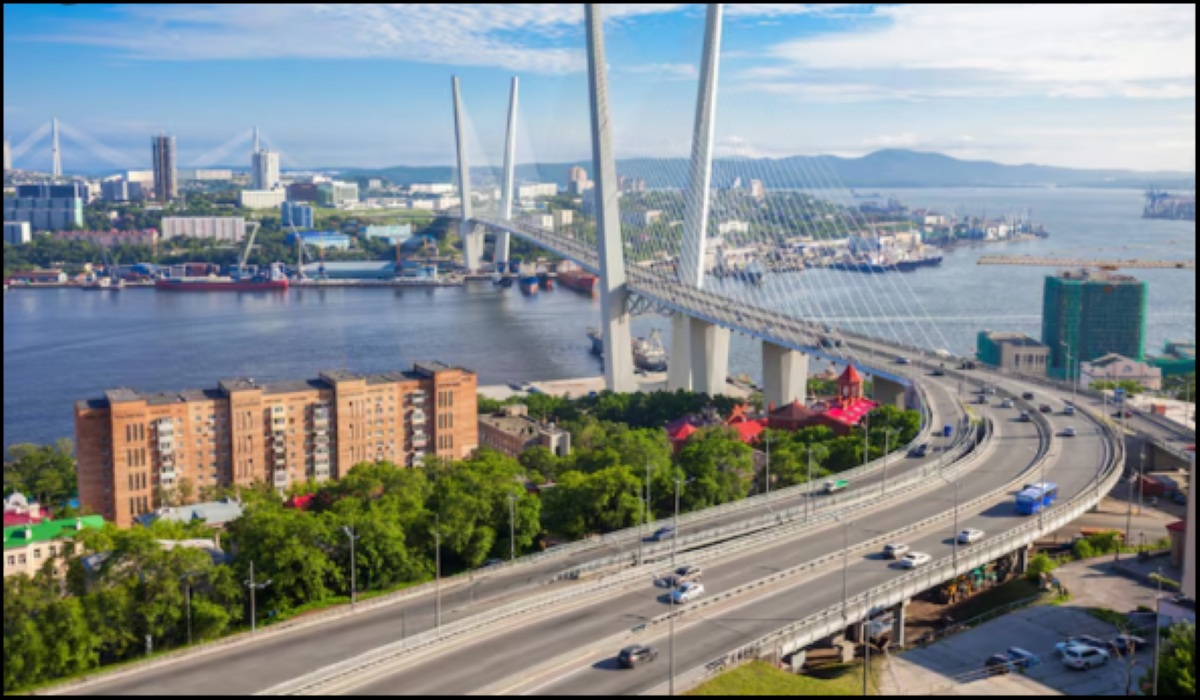
Located more than 6,000 kilometres from Moscow, Vladivostok has become a global centre of attention. This Pacific-facing port city is geographically much closer to China and the Korean Peninsula than to Russia’s political centre. Vladivostok serves as the primary gateway to the Russian Far East, a vast region covering 40 per cent of the country’s territory but inhabited by fewer than 8 million people.
For Moscow, developing this resource-rich region has long been a challenge. However, as Russia shifts its trade and economic relations towards Asia, the Far East holds a strategic role as a pathway to Pacific markets. This is the primary focus of the Eastern Economic Forum (EEF), which hosts delegates from 80 countries in Vladivostok from Tuesday (1/9) to Friday (4/9).
The meeting takes place immediately following the Shanghai Cooperation Organization (SCO) Summit in Kyrgyzstan. Russian President Vladimir Putin is scheduled to depart for Vladivostok on Wednesday to hold bilateral meetings, attend the EEF plenary session, and inaugurate the operations of several new companies in the region.
Russia’s economic reorientation since the 2022 Ukraine conflict has provided additional strategic weight to this region. Limited economic ties with the West have forced Moscow to turn its gaze towards China, India, Southeast Asia, and other non-Western markets.
This shift has increased the importance of the Far East, both as an Asian investment destination and a transit route for Russian energy exports. The region holds abundant reserves of oil, natural gas, coal, timber, minerals, and fishery products. Consequently, the transport and logistics sectors are a primary agenda item in this year’s EEF, including discussions on new infrastructure corridors and regional economic integration.
This year, Southeast Asia plays a highly significant role. Indonesian President Prabowo Subianto is scheduled to be a key foreign guest and will join Putin in the plenary session. Prabowo’s presence marks the continuation of economic relations following his attendance at the St. Petersburg International Economic Forum in 2025.
In addition to Indonesia, Myanmar’s Vice President Nyo Saw is also scheduled to attend. The participation of two Southeast Asian leaders in this plenary session demonstrates Russia’s increased focus compared to previous years, which were represented by only one country (Malaysia in 2024 and Laos in 2025).
Regular delegations such as China, represented by Deputy Prime Minister Ding Xuexiang, and Mongolia remain present. Interestingly, organisers also noted interest from European business actors and the presence of delegations from Japan and South Korea, despite their diplomatic relations with Moscow being strained.
EEF 2026 carries the theme ‘Far East: Development for the Welfare of the People’. Organisers estimate there will be the signing of 380 agreements with a total value reaching 6.5 trillion roubles, or approximately Rp1,340 trillion.
On the other hand, the forum is also marked by speculation regarding a possible meeting between Vladimir Putin and North Korean leader Kim Jong-un in Vladivostok, although the South Korean government stated it does not yet have definitive information regarding such travel plans.