
Key Aspects for Accelerating New and Renewable Energy Development
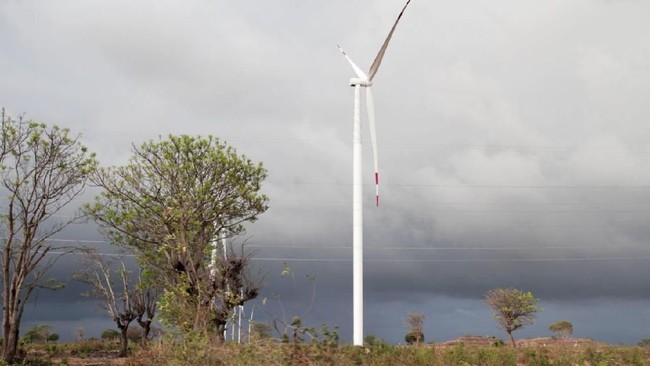
In the last five years, the increase in national renewable energy (RE) installed capacity has recorded cumulative growth of approximately 15.6 GW, with the primary energy mix portion ranging between 13% and 15.7%.
This achievement has been primarily supported by the operationalisation of large-scale projects such as the Cirata Floating Solar Power Plant (192 MWp), the expansion of geothermal power plant (PLTP) capacity, and the implementation of mandatory biofuels, reaching B35 and preparing for B40, with domestic biodiesel absorption exceeding 14.9 million kL.
Despite recording physical and volume increases, these achievements are still realistically below the targets set by the National General Energy Plan (RUEN), which mandates a 23% share by 2025. This relatively stalled progress is caused by three fundamental factors.
First, the optimisation of electricity grid infrastructure to absorb variable RE currents has not yet been achieved. Second, there is a long-term financial entanglement with coal-based fossil power plants. Third, there is a high economic disparity between RE tariffs and the economic price of coal, which benefits from domestic market protection.
To accelerate the energy transition efficiently and sustainably, particularly within the next five years as a foundation, there are four key aspects that serve as the primary determinants on the ground.
Aligning Fossil Contract Loads and PLN’s Financial Flexibility
The greatest obstacle to massive RE absorption—especially in the Java-Madura-Bali (Jamali) system—is the condition of overcapacity in electricity supply, which is tied to long-term Take-or-Pay (ToP) contracts with private Steam Power Plants (PLTU/Independent Power Producers).
Under the ToP clause structure, PT PLN (Persero) is required to continue paying for the electricity produced by PLTU according to the contract quota, regardless of whether that power is distributed to the grid or not.
This condition creates rigid financial implications. Adding new RE generation capacity without accompanied early retirement or adjustments to existing PLTU contracts can technically trigger a double payment burden for PLN. If PLN aggressively absorbs new RE electricity, PLN must shut down or reduce the output of existing PLTU while still bearing the ToP absorption penalties to private PLTU owners.
Therefore, accelerating RE requires a mechanism to de-risk the financial burden from PLN’s balance sheet. The early cessation of PLTU operations or the restructuring of ToP contracts cannot be borne solely as PLN’s operational cost.
Special instruments are needed, such as the reallocation of Just Energy Transition Partnership (JETP) funding, multilateral funding, or the establishment of a sovereign energy transition fund. These facilities would serve to cover the compensation costs for terminating fossil contracts so that the energy substitution process does not disrupt fiscal stability or the solvency of the state-owned electricity company.
Modernisation and Financing of Grid Infrastructure (Grid First)
The characteristics of variable RE, such as solar (PLTS) and wind (PLTB), depend on weather conditions and time. Without balancing infrastructure, large-scale penetration of variable RE can disrupt the stability of frequency and voltage in the national electricity grid, potentially triggering blackouts.
The construction of RE power plants must prioritise or run parallel to grid modernisation (grid-centric planning). There are three technical components that are absolute requirements:
• Smart Grid: Automated two-way power flow control based on digital sensors and advanced measuring tools to monitor power fluctuations and regulate load balancing in real-time.
• Battery Energy Storage Systems (BESS): Load balancing during peak demand periods (peaking management) or during drops in solar/wind power output due to weather factors.
• High Voltage Direct Current (HVDC) Transmission: Inter-island grid connections required to distribute energy from large-scale RE potential centres in areas outside Java (such as hydropower in Kalimantan/Papua and geothermal in Sumatra) to industrial and urban consumption load centres on Java.
Given the massive capital expenditure (CAPEX) for grid infrastructure, which is estimated to reach tens of billions of US dollars, the government cannot rely solely on PLN’s internal capital or State Capital Injections (PMN) from the state budget. The government needs to open Public-Private Partnership (PPP) schemes or Independent Transmission Projects (ITP).
Through this scheme, private consortia can build HVDC or BESS infrastructure using an availability payment mechanism (payment for grid availability by the state/PLN), ensuring that the risk of supply fluctuations is not borne by grid investors.
Legal Certainty and Energy Market Regulatory Reform
Accelerating RE requires a legal framework at the level of an Act (UU EBET) capable of providing long-term investment climate certainty. Current regulations, such as Presidential Regulation No. 112 of 202 proportion 22, provide an initial push through the Maximum Price (HPT) scheme, but are not yet strong enough to address cross-sector operational constraints. An ideal regulatory framework needs to include three strategic points:
• Limited Power Wheeling Scheme: Opening a transparent and regular mechanism for renting PLN’s transmission network. This rule would allow private RE producers to supply green electricity directly to industrial consumers (B2B off-takers) by paying a grid toll to PLN. This mechanism can accelerate installed RE capacity without burdening PLN’s capital costs to build its own plants.
• Harmonisation of Local Content (TKDN) Rules: The application of Domestic Component Level (TKDN) in RE projects needs to…