
Ketapang-Gilimanuk Port Congestion Signals Urgent Need for New Docks
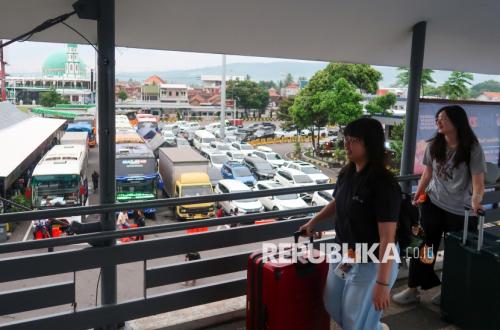
The traffic jams and long vehicle queues occurring on the Ketapang-Gilimanuk ferry crossing in recent days demonstrate the need to accelerate the construction of port and dock infrastructure to smooth the flow of the crossing. The General Chair of the National Association of River, Lake, and Ferry Transport Entrepreneurs (Gapasdap), Khoiri Soetomo, stated that the current problem is not caused by a lack of operating ships. Rather, he continued, it is due to the limited capacity of the available ports and docks. According to him, there are currently around 56 ships that are licensed and ready to serve the Ketapang-Gilimanuk route. However, the existing dock capacity can only effectively accommodate around 28 ships to operate in one service cycle. “This means that around 28 other ships must wait their turn to operate as reserve vessels. This shows that the main issue is not a shortage of fleet, but the limited capacity of the port and docks,” Khoiri said in a press release in Jakarta on Thursday (24/6/2026). He conveyed that Gapasdap is concerned about the increased crossing waiting times impacting the public, freight drivers, business operators, and the tourism sector, particularly during the school holiday period and the rise in national logistics activity. Based on field monitoring, the vehicle queues are influenced by several factors, including the increased number of logistics vehicles, buses, and private cars; limited dock capacity; suboptimal service for heavy-load logistics vehicles; weather and sea current conditions affecting the ship berthing process; and the limited buffer zone area and access roads to the port. Khoiri also appreciated the steps taken by the Ministry of Transportation, particularly the Directorate General of Sea Transportation, which continues to conduct operational monitoring on the Ketapang-Gilimanuk route. He also encouraged all parties to maintain the smooth flow of ferry services going forward. Furthermore, Khoiri said that Gapasdap member ship operators continue to strive to improve service productivity through fleet optimisation, acceleration of the loading and unloading process, and the implementation of shipping safety standards. According to Khoiri, the current conditions also serve as a reminder that the development of national ferry infrastructure needs to be a shared concern. “For years, Gapasdap has proposed accelerating the development of the Ketapang-Gilimanuk route through the construction of new docks, expansion of port capacity, optimisation of the Bulusan Dock, addition of vehicle buffer zones, development of access roads, and acceleration of land provision and acquisition,” Khoiri stated.