
KEPP OKP Outlines Eight Platforms for Accelerated Papua Development
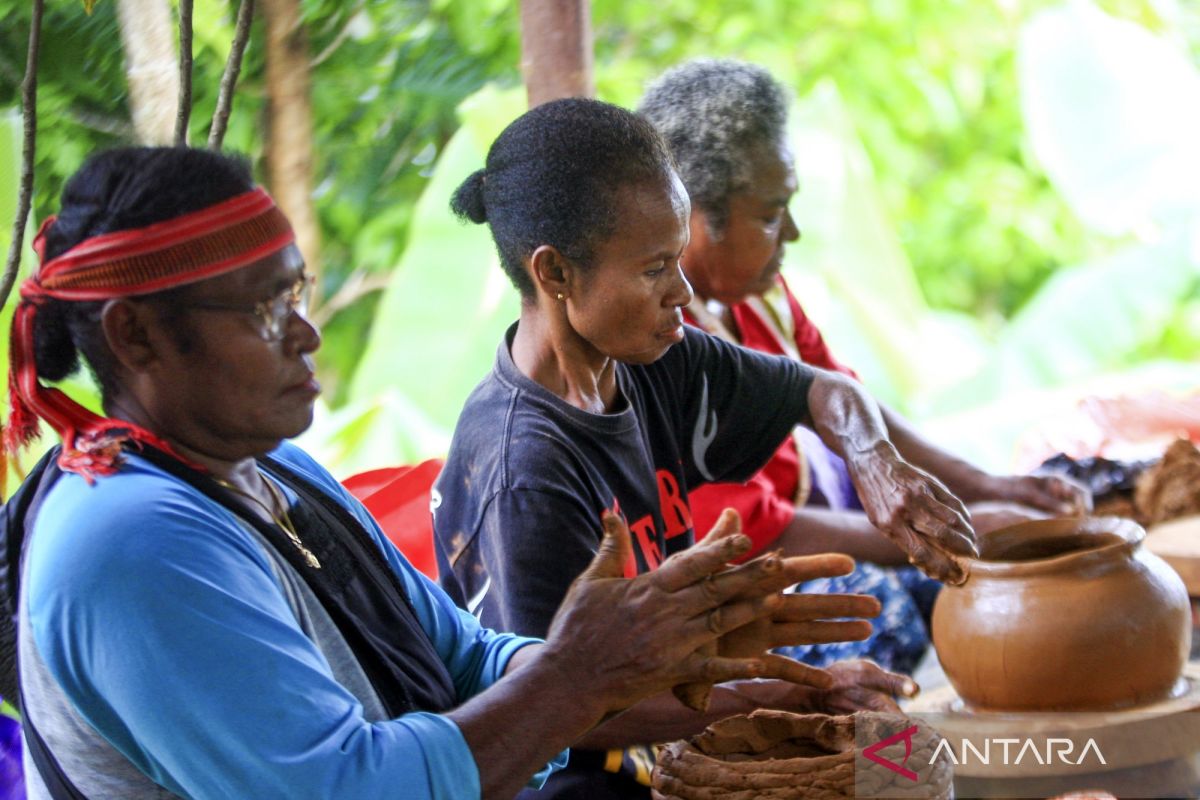
The Executive Committee for the Acceleration of Special Autonomy Development in Papua (KEPP OKP) has outlined eight platforms to direct the acceleration of development in Papua for the 2025–2029 period. According to KEPP OKP Chairman Velix Wanggai, the policy emphasises equitable development, respect for indigenous peoples, strengthening the grassroots economy, and affirmative action for native Papuans (OAP). “Discussing Papua is not merely about discussing underdevelopment. Papua is Indonesia’s future in the face of the Pacific region,” Wanggai said in an official statement received in Jakarta on Thursday. He stated that development in Papua is directed at creating new economic growth centres in eastern Indonesia while improving the quality of life and reducing poverty levels. The eight platforms include equitable development for eastern Indonesia, development based on customary territories, protection of indigenous legal communities, strengthening the economy based on indigenous communities, and empowering grassroots economic sectors. Further platforms cover improving the quality of human resources, providing affirmation to OAP entrepreneurs, and strengthening stability and peace through inclusive dialogue. Wanggai noted that the customary territory-based development approach has been integrated into Presidential Regulation Number 102 of 2025 concerning the 2025–2029 National Medium-Term Development Plan (RPJMN) and Presidential Regulation Number 107 of 2025 concerning the Action Plan for the Acceleration of Papua Development 2025–2029. The development is designed based on Papua’s seven customary territories—Tabi, Saireri, Domberai, Bomberai, Mee Pago, Laa Pago, and Anim Ha—so that programmes align with the social, cultural characteristics and potential of each region. The government is also strengthening the recognition and protection of indigenous legal communities through mapping ulayat (customary land) areas based on tribes and clans, as well as accelerating the administration and registration of ulayat land. In the economic field, the government is opening greater space for micro, small, and medium enterprises (MSMEs), youth business communities, and customary cooperatives to participate in development and natural resource management in accordance with statutory regulations. Wanggai said the government is preparing the development of 200 Merah Putih Fishermen Villages (KNMP) based on native Papuan fishermen ecosystems to strengthen fisheries activities from upstream to marketing. In the development of transmigration areas, the government is also sending 1,200 students from 10 state universities and 140 local higher education institutions to 10 transmigration areas across four provinces on the island of Papua. Grassroots economic empowerment is also directed at the agriculture, livestock, fisheries, forestry, plantation, and cooperative sectors as the economic foundation of villages and customary villages. The Ministry of Agriculture, Wanggai continued, is preparing special policies and additional allocations for the development of Arabica coffee, Robusta coffee, and cocoa in six provinces in Papua. Attention is also given to nutmeg, sago, and tuber food crops in the highland areas of Papua. In the human resources sector, he added, the government is preparing school revitalisation, expansion of the Indonesia Smart Programme, People’s Schools, Garuda Schools, Integrated National Schools, and strengthening vocational training to improve employment opportunities for young Papuans. The government is also providing affirmation to OAP entrepreneurs through Presidential Regulation Number 108 of 2025 concerning Government Procurement of Goods/Services for the Acceleration of Development in Papua. The regulation opens procurement schemes through electronic catalogues, direct procurement, direct appointment, limited tenders, operational cooperation, and capacity building for native Papuan entrepreneurs. Wanggai stressed that the success of Papua’s development is determined not only by the size of the budget but also by the consistency of ministries and agencies in translating policies into programmes directly felt by the community. “Development must reach the villages, touch indigenous communities, protect ulayat land, strengthen MSMEs, open opportunities for the younger generation, and create equitable prosperity,” Wanggai said.