
Kemkomdigi unveils three pillars of Indonesia's AI policy
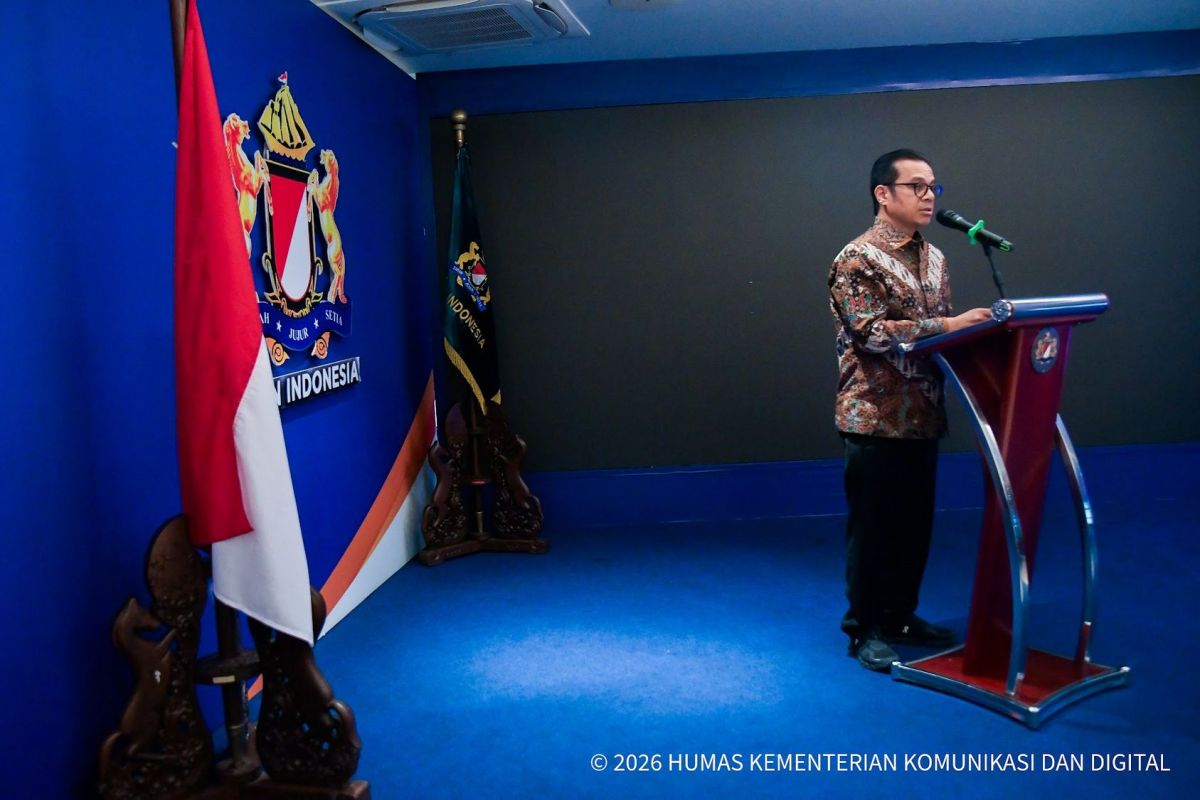
Indonesia’s government is finalising two important policy instruments: the national AI roadmap and the presidential regulation on AI ethics. The Ministry of Communication and Digital Affairs (Kemkomdigi) states that there are three pillars to Indonesia’s artificial intelligence policy to support the national digital transformation and create digital economic impact. The first pillar is regulation that balances innovation and protection, requiring AI platforms to uphold transparency, accountability, and safety while ensuring alignment with Indonesia’s cultural values. ‘The government is currently finalising two important policy instruments, namely the national AI roadmap and the presidential regulation on AI ethics. The principle is simple yet firm: AI platforms must uphold transparency, accountability, and safety while remaining aligned with Indonesia’s cultural values,’ said Deputy Minister of Communications and Digital Nezar Patria in a statement received and confirmed in Jakarta on Friday. The second pillar in Indonesia’s AI development is world-class digital infrastructure. Nezar cited investments and commitments Indonesia has received: ‘Microsoft has committed $1.7 billion to build cloud infrastructure in Indonesia, while Nvidia and Amazon have also reaffirmed their investment commitments in our country,’ Nezar said. Discussing infrastructure for AI, one of the infrastructures expected to grow is data centres. By 2026 there are 185 data centres in Indonesia with a total capacity of 274 MW. The third pillar is inclusive digital talent development. According to Deputy Minister Nezar, world-class infrastructure is not complete without capable human resources. Therefore, developing digital talent is an urgent priority. ‘World-class infrastructure will not be worth much without skilled human resources. Indonesia currently faces a digital talent gap of around 3 million people, an urgency that cannot be ignored,’ Nezar said. With these three AI policy pillars, Indonesia is expected to fulfil forecasts of becoming the largest digital economy in Asia in the coming years.