
Kemenkum: Music Royalty Transparency Requires Interconnected Systems
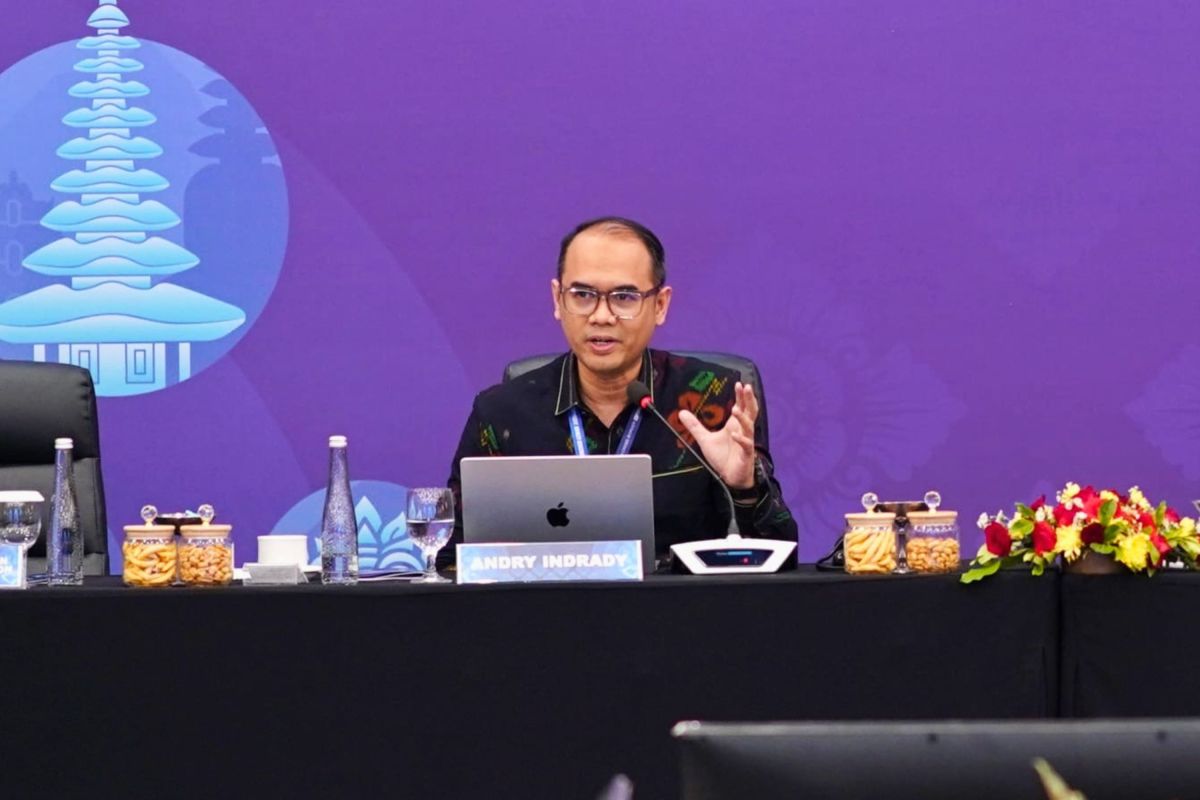
Badung Regency, Bali (ANTARA) — The Ministry of Law said cross-border music royalty transparency requires accurate copyright data and systems capable of connecting with one another.
Andry Indrady, head of the Ministry’s Agency for Policy Strategy, said this need was growing more pressing as the digital music ecosystem became increasingly transnational.
“Interoperability can strengthen links between systems for managing copyright and royalties,” Andry said at the Global Dialogue on Cross-Border Copyright Royalty Governance in the Digital Era in Badung Regency, Bali, on Thursday.
He said interoperability was needed to strengthen connections between copyright and royalty management systems, particularly as the digital music ecosystem expanded across borders.
Discussions on interoperability, he said, identified accurate rights-holder identification as the first step towards aligning different metadata systems. This could be followed by integrating information on licensing contracts and royalty-sharing agreements, as well as using shared tools to match and reconcile data.
He added that connected systems also depended on collective management organisations’ ability to manage and exchange information about works and rights.
“The situation becomes increasingly complex when royalty management involves different jurisdictions with different operational, legal and licensing frameworks,” he said.
The panel also identified challenges faced by developing countries, particularly in providing technical infrastructure such as cloud computing, servers and cybersecurity, as well as skilled personnel.
These gaps point to a need for support to strengthen the technical and institutional capacity of collective management organisations, as well as their resources, to build interoperable systems.
Other challenges relate to cross-border royalty governance. Differences in regulation, reporting practices, technical capacity and understanding of royalty transparency can hamper cooperation when digital platforms and intermediaries operate across multiple jurisdictions.
The discussion also highlighted the need for mechanisms to prevent and correct inaccurate copyright information through cross-border data correction.
Participants discussed using artificial intelligence to help identify unlicensed use of works and detect anomalies in usage data. Such technology must be deployed with due regard for the complexities of privacy protection and the respective roles of governments, collective management organisations, creators and digital platforms in rights management.
The discussion continued with Michel Allain of the World Intellectual Property Organization (WIPO), who outlined how WIPO Connect can support the management of copyright and related rights.
He said interoperability required data and standards that different systems could understand, allowing information about works and rights to be exchanged effectively.
WIPO Connect has helped collective management organisations collect royalties. The discussion also noted opportunities to develop shared tools, including best-practice toolkits, solutions for processing large volumes of usage reports from digital service providers, and neutral data sources developed through voluntary industry cooperation and the use of existing data.
Participants said that existing technologies and international identifiers were not sufficient to resolve all interoperability issues.
They added that transparency also required the institutional capacity to cooperate, clear and fair divisions of responsibility, and political and commercial commitment from the parties sharing and processing rights information.
For creators and rights holders, data governance must go hand in hand with copyright protection.
Registering works and using copyright protection mechanisms are important for establishing a clear legal basis for ownership and use, while also supporting more transparent rights and royalty management.