
Kemendukbangga: The President's economic vision must be underpinned by human resource development
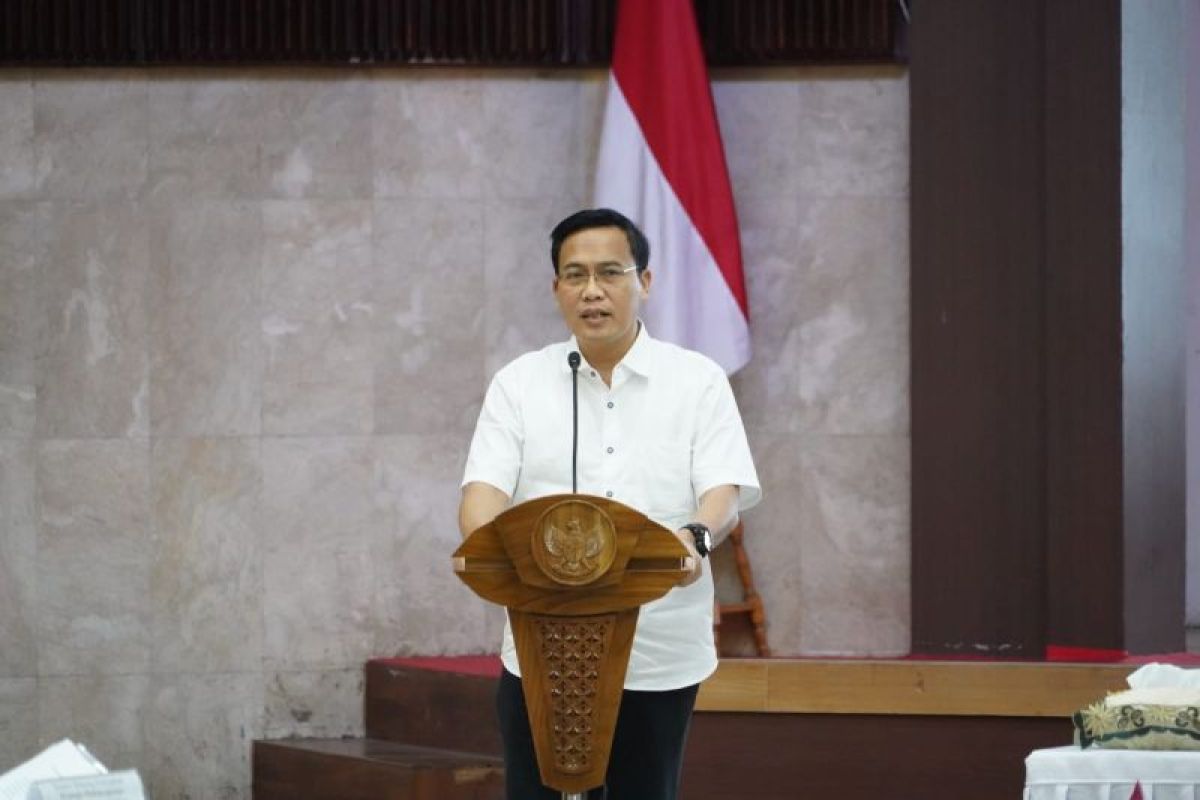
Jakarta (ANTARA) - The Secretary to the Ministry of Population and Family Development (Sesmendukbangga)/Chief Secretary of BKKBN, Budi Setiyono, assessed that the economic vision articulated in President Prabowo Subianto’s address to the Parliament must be underpinned by strong human resources development. During delivering the speech on the Macro Economic Framework and the Key Policy of Fiscal Policy (KEM-PPKF) RAPBN 2027 on Wednesday (20/5), the President emphasised industrialisation, downstream processing and strengthening economic sovereignty. Budi noted that population development will be an important factor in ensuring Indonesia has healthy, skilled, and competitive labour in the face of an economic growth target of up to eight percent by 2029. Therefore, investments in the quality of Indonesian families and people must go hand in hand with the national industrialisation agenda. ‘One strong message in the President’s address is the greater role of the state in managing strategic economy. The Government hopes to strengthen control over commodity exports, require foreign exchange earnings from exports to enter the domestic banking system, and expand the role of Danantara Indonesia in managing national assets,’ he said. The approach, he continued, has been proven successful in South Korea, Japan, and even China, which used the developmental state model to accelerate industrialisation, but lessons from those successes require a bureaucracy that is extremely strong, meritocratic, and relatively clean of political rents. ‘This is where Indonesia faces serious challenges. We need to minimise risks so that expansion of the state’s role does not produce a new economic oligarchy, expand rents, which ultimately undermines investor confidence,’ he argued. Therefore, he stressed the importance of bureaucratic reform, regulatory efficiency and the eradication of extortion to improve the investment climate and national productivity, because a country that wants to advance needs strong and consistent institutions to implement a long-term development vision. He recalled that the success of East Asian countries in achieving economic progress is not solely determined by the state’s strength in managing industry, but also by the ability to maintain clean governance and meritocracy. Therefore, Kemendukbangga/BKKBN sees human development as the foundational cornerstone so that the government’s grand vision does not get trapped by short-term interests and Indonesia can move from a middle-income country to a high-income country by 2045.