
Kemendikdasmen and SEAMEO Gather Aspirations to Strengthen Inclusive Education
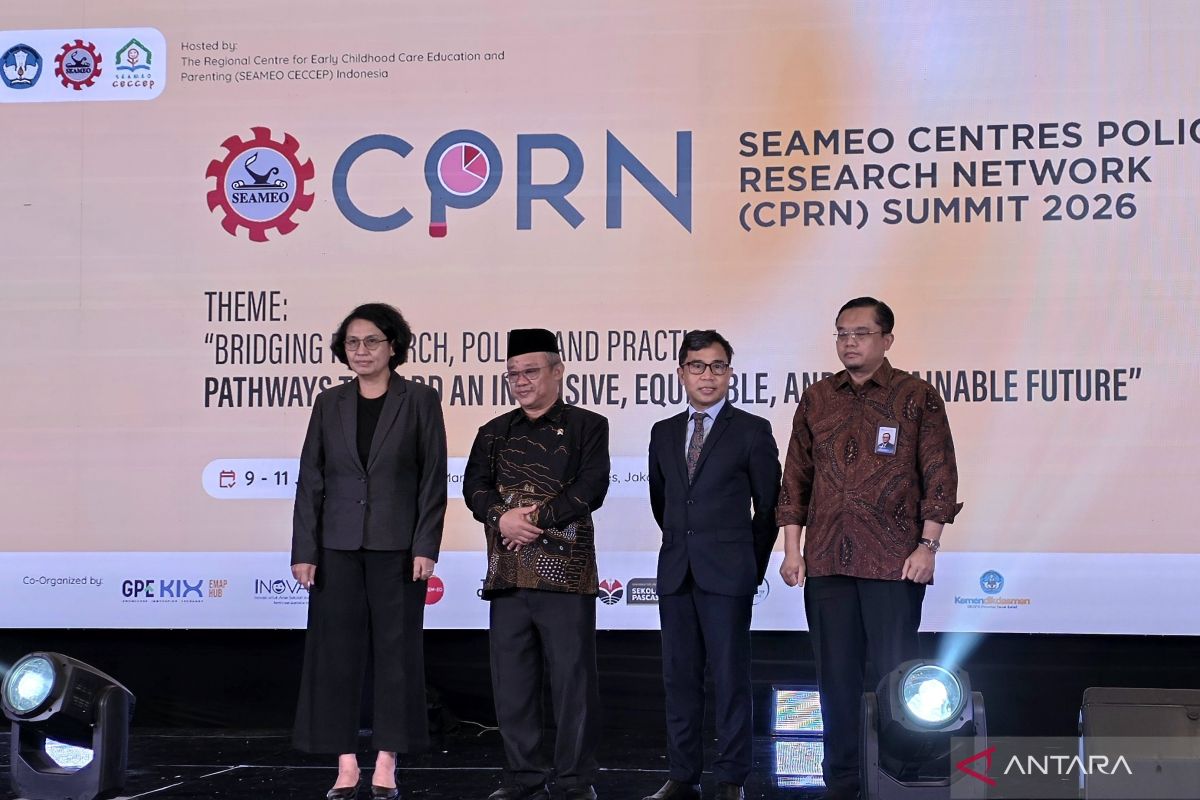
Jakarta (ANTARA) - The Ministry of Primary and Secondary Education (Kemendikdasmen) together with the Southeast Asian Ministers of Education Organization (SEAMEO) is gathering aspirations to strengthen the implementation of inclusive and equitable education services through the SEAMEO Centres Policy Research Network (CPRN) Summit. Minister of Primary and Secondary Education (Mendikdasmen) Abdul Mu’ti stated that the various data and research presented at the forum would serve as a reference in formulating policies related to primary and secondary education services based on academic research. “Data from research carried out by SEAMEO will serve as input for policy-making at the Ministry of Primary and Secondary Education. Although the research results are recommendations, they will still be considered input, in line with the ministry’s policy of prioritising data and research-based policies so that they are targeted and beneficial,” said Mendikdasmen Abdul Mu’ti after opening the forum in Jakarta on Tuesday. He further explained that the forum provides input for the ministry in strengthening the adaptation of various primary and secondary education service policies amid advances in digital technology. Therefore, Mendikdasmen considered the day’s forum a vessel for sharing good practices and research results related to building inclusive, equitable, and sustainable education service policies, particularly in the Southeast Asian region. “Through this forum, we hope that the education ministry policies in ASEAN countries can be more data-based and integrated with one another. And this is part of an effort to share a bright future for Southeast Asian countries,” said Mendikdasmen Abdul Mu’ti. He also emphasised that the forum aims to strengthen the link between research results, policy formulation, and educational practice in the field, while tightening regional collaboration among SEAMEO member countries. “Through this forum, education stakeholders are encouraged to strengthen evidence-based policy formulation, expand knowledge exchange, and support the development of an inclusive, equitable, and sustainable education system in the Southeast Asian region,” said Vina.