
Kemdiktisaintek Strengthens the PPKPT Task Force's Role on Campuses
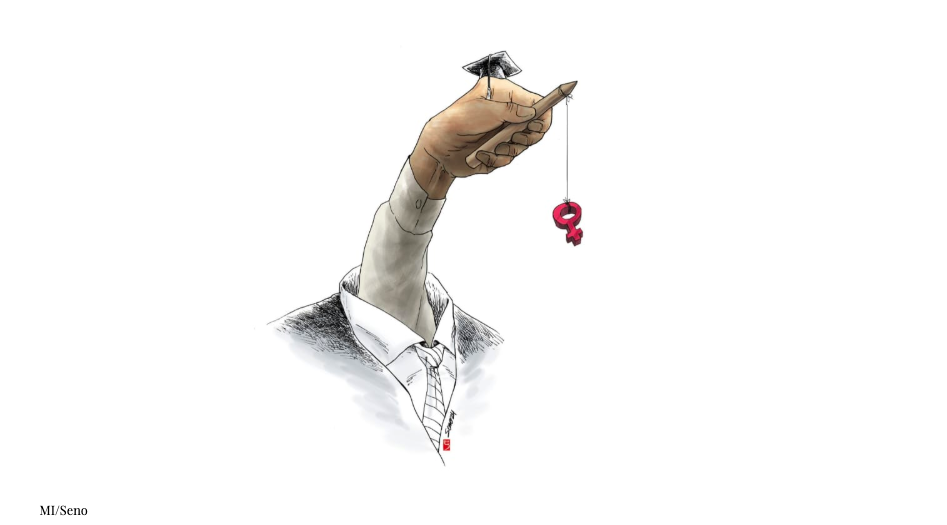
Directorate of Learning and Student Affairs (Belmawa) of the Ministry of Education, Culture, Research, and Technology (Kemdiktisaintek) continues to strengthen the Prevention and Handling of Violence in Higher Education (PPKPT) programme, especially for new students. The effort is being carried out through the formation and supervision of the PPKPT Task Force on campuses nationwide.
Director of Belmawa Kemdiktisaintek, Beny Bandanadjaja, explained that universities that previously had a Sexual Violence Prevention and Handling Task Force (PPKS) now need to align with the latest regulations to become PPKPT Task Forces.
“Universities that already have a PPKS Task Force must adjust to the latest regulations to become PPKPT Task Forces. Because what is addressed is not only sexual violence, but also various other forms of violence,” Beny said at the Kemdiktisaintek building on Tuesday (19 May).
According to him, the scope of violence in the new regulations is not limited to physical and sexual violence, but also psychological violence, discrimination, intolerance, and violence based on policy. In addition, violence through electronic and non-electronic media is also a serious concern.
“This violent media includes electronic and non-electronic. So if it’s on WhatsApp or other online media, it also becomes part of what must be observed. Comments or statements that could insult or hurt others cannot be made casually,” he added.
Beny emphasised that the core principle of PPKPT is the absence of discrimination, maintaining accountability, aligned with the best interests of victims, independence, supporting gender equality, and ensuring the continuity of victims’ education.
To strengthen new students’ understanding, Belmawa requires PPKPT materials to be included in the New Student Campus Life Introduction activities (PKKMB). This step is considered important because every year there are new students who need education on prevention and handling of violence in the campus environment.
“Students come and go. Each year there are new students. Therefore, higher education institutions must continuously socialise. That is why PKKMB includes compulsory briefings related to PPKPT so that new students are aware,” Beny explained.
In addition to socialisation, Belmawa also conducts supervision of the PPKPT Task Forces at various higher education institutions. Currently, around 125 public universities and more than 2,000 private universities have a PPKPT Task Force.
To support this supervision, Belmawa provides various online learning media through the Indonesian Online Learning System (SPADA) and the Sahabat Portal. The portal offers modules, guidelines, educational videos, procedures for forming Task Forces, and materials on handling various forms of violence.
Belmawa also continues to monitor and evaluate the implementation of PPKPT in higher education. Evaluations are conducted to assess the effectiveness of the Task Forces, identify on-the-ground constraints, and improve regulations if deficiencies are found in practice.
In case of cases, Beny added that universities can coordinate with the Inspector General’s Office (Itjen) if there are cases that cannot be resolved at campus level. “If there are cases that the campus cannot handle, they can contact Itjen, which also has a complaints channel,” he concluded. (Fik/P-3)