
Kemang-Parung Logistics Corridor Congested, 'Business Houses' Launched
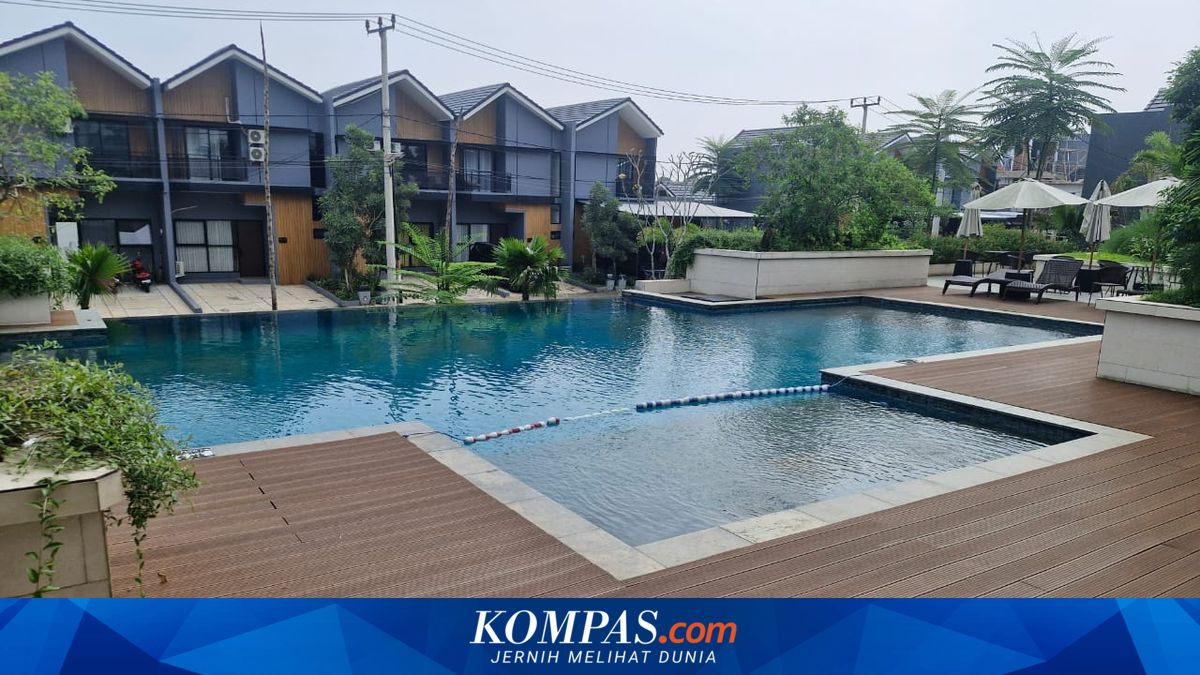
The Jakarta metropolitan area continues to expand into its buffer zones, leading to increased competition in providing commercial space. This transformation is evident in the Kemang area of Bogor Regency, West Java, where mixed-use spatial planning is becoming increasingly common.
Through the launch of its ‘Business House’ (RUSA) commercial line, property developer Avoria Estate is targeting a new market niche that combines residential and domestic economic productivity within a single building structure. This strategic move comes as the Kemang-Parung corridor has long been known as a busy secondary logistics route but lacks well-planned commercial zoning.
Consumers are no longer looking for purely commercial spaces, but rather adaptive spaces that can reduce both business operating costs and daily living expenses. “Community needs are shifting towards functional housing with direct economic value. The RUSA structure is designed to shorten the distance between domestic and work spaces, creating capital efficiency for micro-enterprises,” said Fengky on Saturday (May 16, 2026).
The project is being developed on an eight-hectare site and includes a total of 450 units distributed across three main clusters: Cordelia, Barlia, and Aquila. In the second quarter of 2026, the developer will launch the Aquila cluster, type 53, with a land area of 90 square meters priced at IDR 670 million.
To accelerate asset absorption, financing is supported by a consortium of national banks, including Bank BCA, BNI, Mandiri, and BTN, which facilitate Home Ownership Loan (KPR) schemes. Rita claims that all construction units are ready for occupancy and land ownership certificates have been issued for each unit. “Clear legal aspects are the most crucial instrument for protecting consumers from future land disputes,” she explained.
The effectiveness of this area depends heavily on external public transportation corridors, such as easy access to Bojonggede Railway Station and Bogor Station, which serve as major hubs for commuters travelling to Jakarta. The biggest challenge for the growth of this area is the readiness of local road infrastructure outside the residential area. The presence of internal supporting facilities such as swimming pools, fitness centres, and badminton courts is a prerequisite to encourage residents to stay within the area and avoid burdening the roads on weekends.
KOMPAS.com is committed to providing clear, trustworthy, and balanced facts. Support the sustainability of quality journalism and enjoy ad-free reading by joining KOMPAS.com Plus now.