
Kehati Foundation promotes ecotourism centred on conservation education
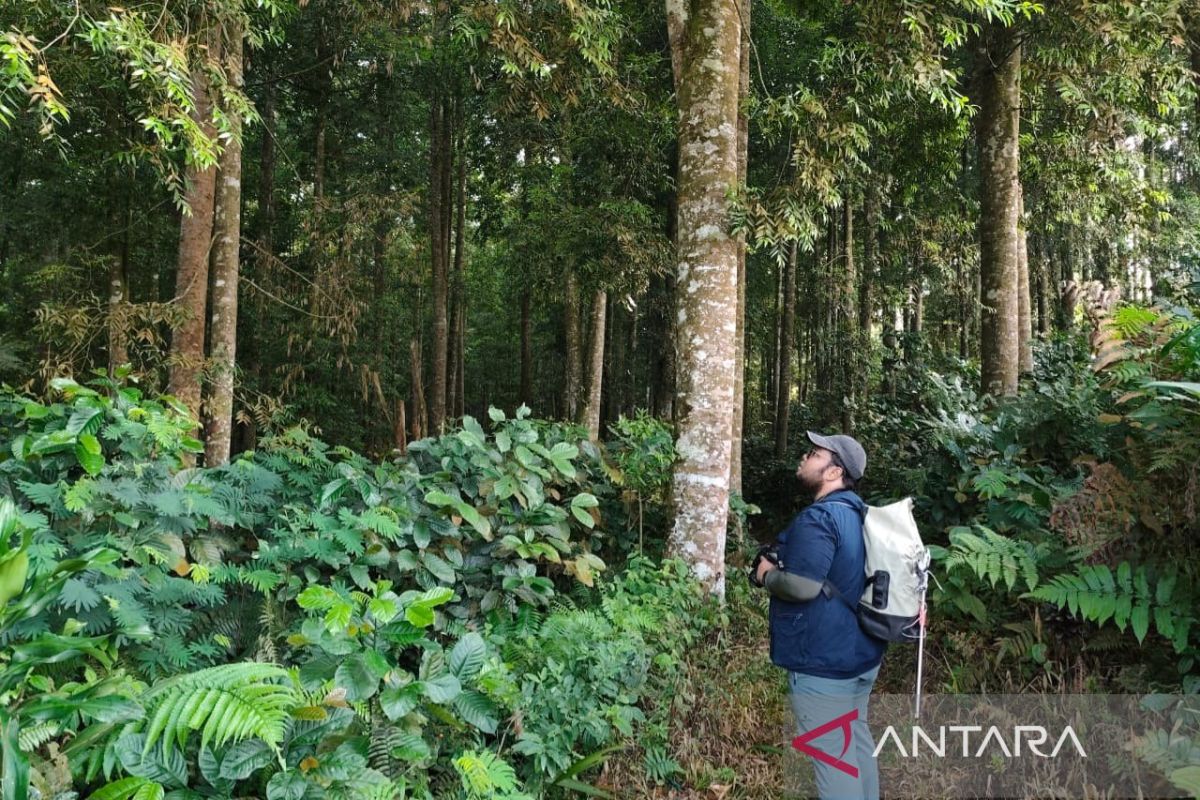
Jakarta (ANTARA) – The Kehati Foundation is promoting community-based ecotourism in Kampung Sukagalih, Cipeuteuy village, Sukabumi regency, West Java, by integrating conservation education about the Javan gibbon with local economic development.
Christian Natalie, Forestry Programme Manager at the Kehati Foundation, said ecotourism was intended not only to attract visitors, but also to bring economic benefits to local communities while protecting the environment around Gunung Halimun Salak National Park (TNGHS).
“What we want to build is not simply a place for people to visit, but tourism activities that benefit the community while continuing to protect nature,” Christian said in a statement in Jakarta on Saturday.
The ecotourism initiative involves women’s groups and young people. Activities include upgrading trekking routes, improving sanitation facilities at the camping area, and developing processed products made from non-timber forest products.
The Melati Women Farmers’ Group, for example, is developing candied long eggplant and pumpkin dodol. The products are still being tested and have begun to be marketed through local shops and coffee shops.
The educational aspect is also being strengthened through introductions to the Javan gibbon (Hylobates moloch), a primate endemic to Java that is classified as Endangered on the International Union for Conservation of Nature (IUCN) Red List.
In Kabandungan district, the Kehati Foundation supports Javan gibbon conservation through range mapping, population estimates and educational campaigns. In an initial survey, the team identified at least 39 groups of Javan gibbons at eight observation sites. The findings are still being analysed and do not yet constitute a final population estimate.
Christian said the information could be used to develop educational materials about wildlife habitats and the importance of protecting forests.
“With this approach, visitors are expected not only to enjoy the natural scenery, but also to understand biodiversity and the community’s role in conservation,” she said.
Kehati said the Sukagalih ecotourism initiative still needs stronger management capacity, improved tourism services and cooperation among various stakeholders so it can deliver sustainable economic benefits without compromising environmental conservation.