
Keeping those not yet sick from falling ill
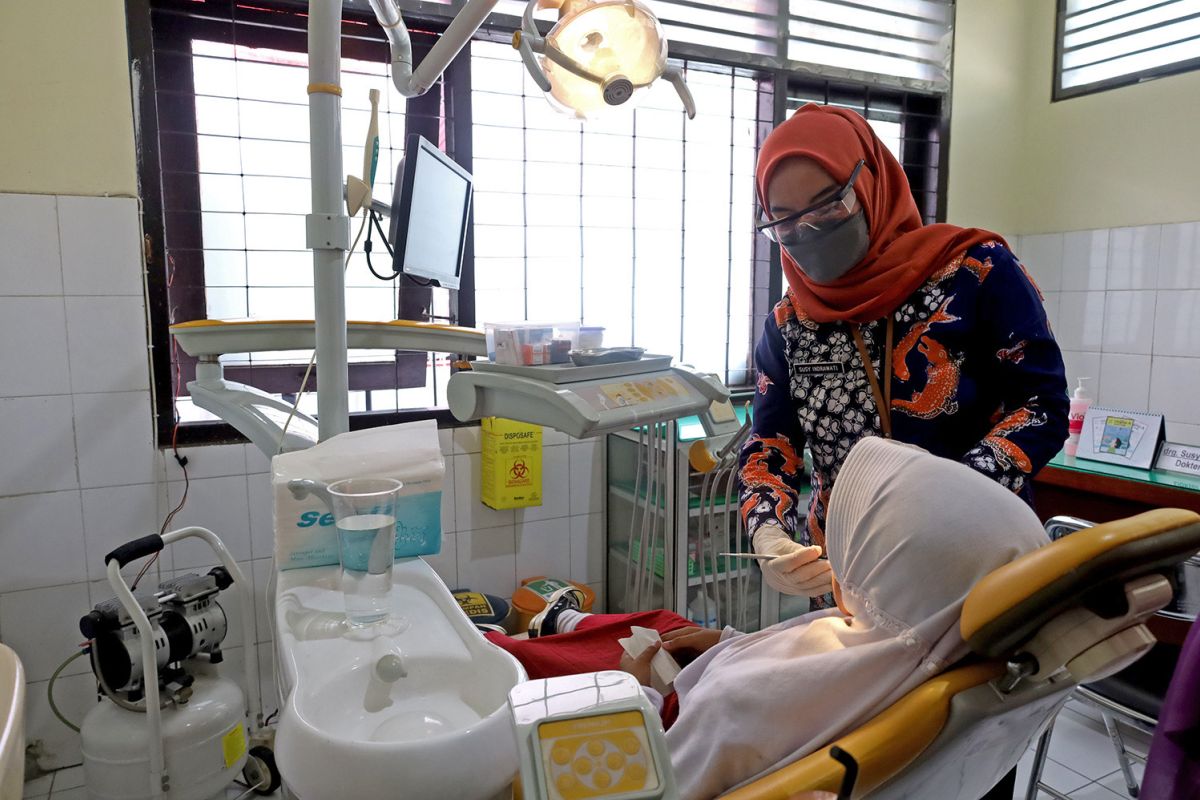
There is a big difference between knowing someone is ill and knowing that someone is beginning to be at risk of illness. The first brings residents to the examination room. The second should make the health system come first.
At that point, the idea of building a health ecosystem based on community units (Rukun Warga or RW) in Surabaya becomes important. The city does not actually lack service nodes. Community health centres are available, Family Health Posts are developing, hospitals are spread across various areas, ambulances are prepared, and the One RW One Health Worker programme continues to be strengthened.
The problem is no longer adding as many programmes as possible, but stitching all these strengths together so they work as one system capable of finding risks, carrying out interventions, and ensuring residents do not walk alone after receiving examination results.
The Free Health Check, or CKG, offers an opportunity to shift health services from a curative approach towards promotive and preventive efforts. This national programme is designed to detect health risk factors, pre-disease conditions, and diseases early across the entire life cycle.
By the end of 2025, CKG had been implemented in 38 provinces, 514 districts/cities, and 10,229 community health centres, with around 70 million participants.
However, examination is only an entry point. Residents found to have high blood pressure do not automatically become healthy just because their results are recorded. The same applies to those found to have high blood sugar, obesity, nutritional problems, or other disease risk factors. Examination results only have value when followed by appropriate action.
The Ministry of Health’s technical guidance places education, monitoring, follow-up examinations, management, and referral as important parts after screening. Therefore, the success of CKG should not be measured only by the number of residents examined, but by how many risks are found and followed up.
The coverage challenge remains real. In July 2026, CKG implementation in East Java was said to be only around 32 percent, so an approach closer to the community is needed. The East Java Regional People’s Representative Council is encouraging the expansion of CKG services to sub-district offices, district offices, health posts, and locations of community activities so they are easier for residents to reach.
Surabaya has the capital to answer that challenge through services close to residents’ neighbourhoods. The city government has developed Family Health Posts serving various age groups, from pregnant women, children, and adolescents to the elderly.
In May 2026, the Surabaya city government said health service strengthening is carried out through the One RW One Health Worker programme, one ambulance per community health centre, integration of primary services in 153 sub-districts, and 2,191 Family Health Posts.
With that capital, the most important question is no longer who is examined, but who ensures at-risk residents do not disappear after leaving the examination room.