
KDM's Transparency Spreads to West Java Civil Servants, Reporting Performance Directly to the Public
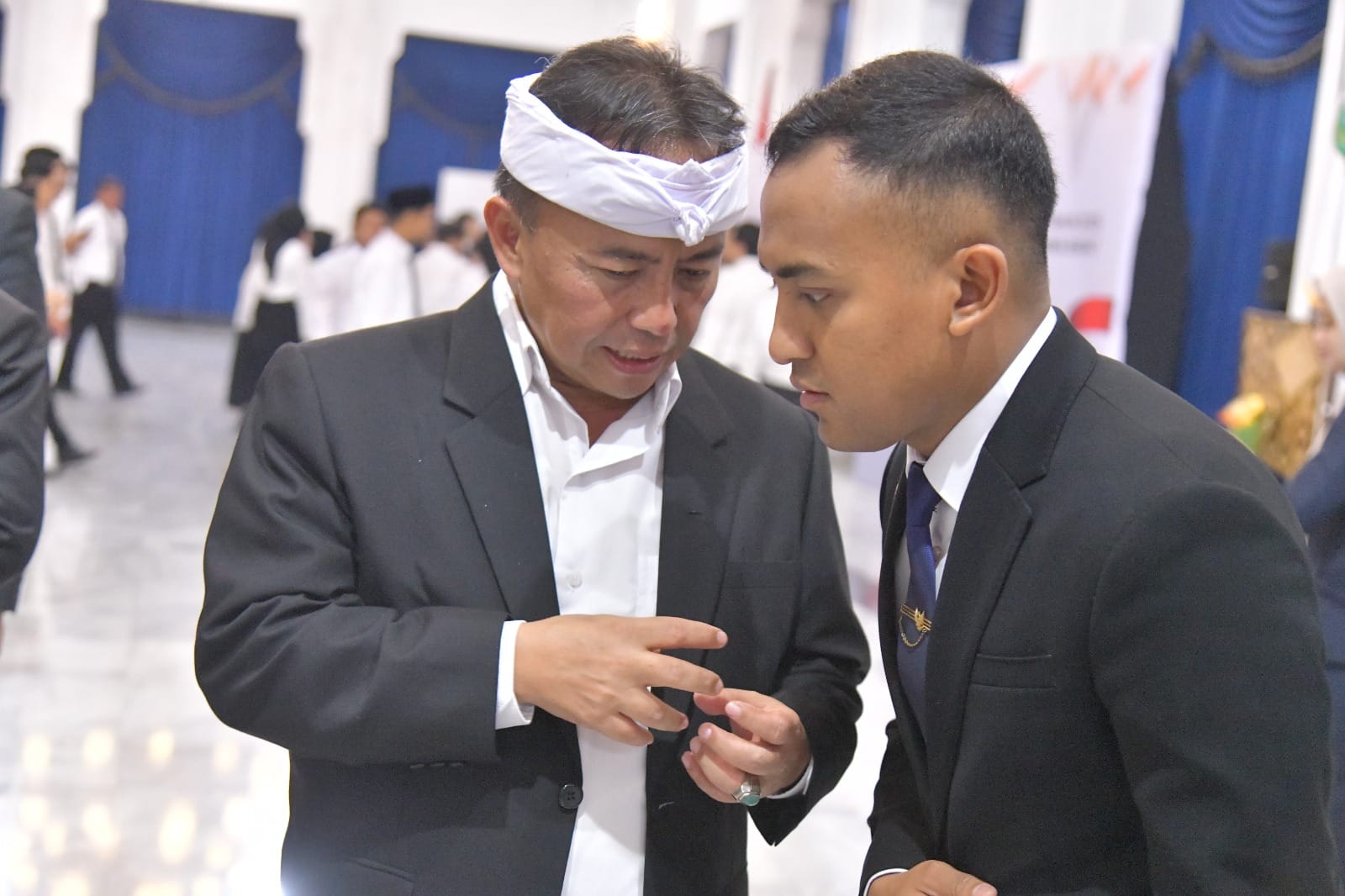
Since taking office, West Java Governor Dedi Mulyadi (KDM) has continuously championed a culture of openness. This attitude has now spread to the level of bureaucratic staff, where civil servants are increasingly held accountable for their work progress directly to the public, moving beyond traditional desk-bound administration.
Previously, field documentation, progress reports, and programme evaluations were primarily conducted by KDM himself via his personal social media. This pattern is now being implemented within the West Java Provincial Government bureaucracy. Performance reports from civil servants in the field are now accompanied by videos uploaded to official government accounts.
One recent example involves the urban redevelopment of the Radjiman Road area in Bandung City, following the removal of illegal structures and street vendor stalls. The latest progress was reported via video by Muhammad Budi Setyawan, a First-Class Human Resources Analyst for the West Java Provincial Government.
As part of the team for the Private Secretary to the West Java Regional Secretary (Sekda), Herman Suryatman, Budi was directly instructed by his superior to report on the development of the Radjimann Road area. The Regional Secretary requested that all work be reported directly through video, including the updates on the Radjiman area. Furthermore, these reports are being shared by the Regional Secretary himself on his personal social media account, @hermansuryatman, to ensure the public is immediately informed of developments.
‘Initially, I was surprised. But ultimately, I felt motivated because the Regional Secretary wants all civil servants within the West Java Provincial Government environment to provide direct, real-time reports,’ said Budi on Sunday.
This redevelopment is a collaborative effort between the West Java Provincial Government and the Bandung City Government. The project is currently in its first phase, focusing on basic infrastructure improvements. The work includes tidying up messy overhead cables, clearing drainage channels that had been blocked by illegal structures for years, dredging sedimentation, repairing drainage walls, revitalising paving blocks, and reorganising road space and pavements.
The West Java Provincial Government aims for the area to not only be free of illegal structures but also to feature a new, more organised, and community-friendly appearance. The next stage will involve painting pavements using a concept to be determined later, aiming to create an area that is safe, healthy, clean, and beautiful (ASRI).
The urban improvement movement is not limited to government intervention; the surrounding community is also actively participating in the public space improvement process. For instance, the Bandung Christian High School in the Radjiman area has expressed readiness to beautify the area in front of the school by installing additional paving blocks and painting in alignment with the government’s redevelopment concept.
Budi added that the Regional Secretary has also advised that civil servants are no longer just required to complete tasks, but must also open space for public supervision through documentation, ensuring reports are accessible to the community. This serves as a form of transparency that is becoming a core culture within the West Java bureaucracy.