
KDMP Opens a New Market Through Collaboration with MSMEs, Boosting Sales of Mango Pickle
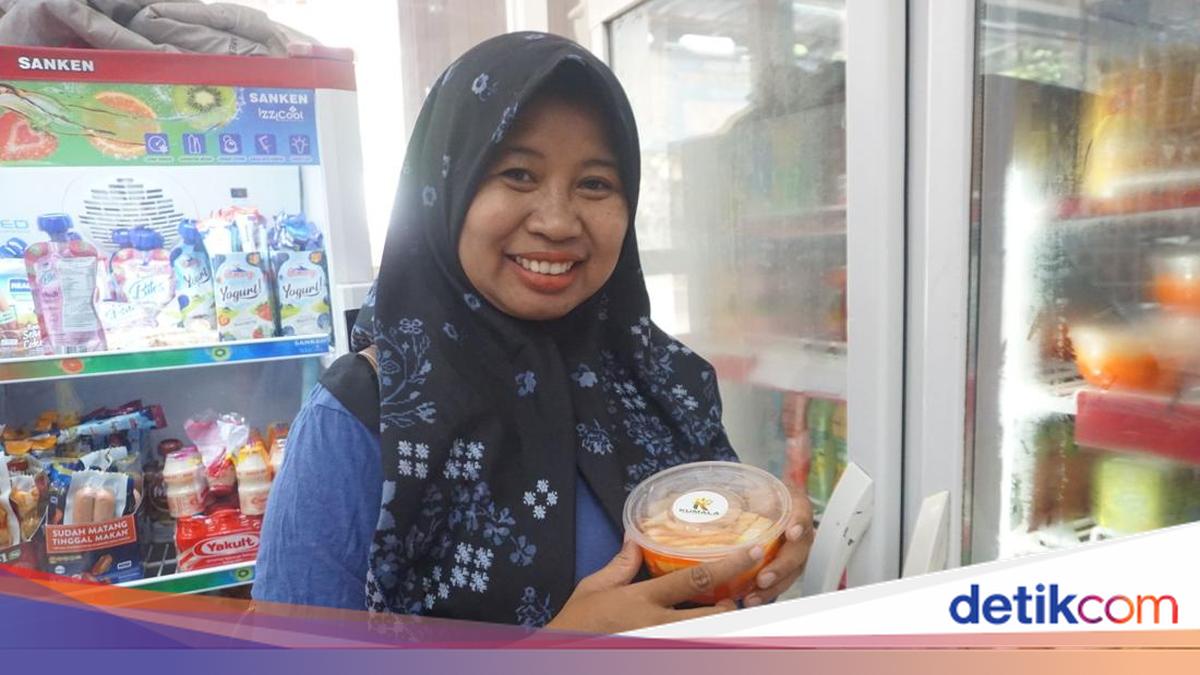
When mango prices fall during the harvest season, Anita Kurniawati is reluctant to sell the fruit from her orchard at a low price. Instead, she turns some of the mangoes into pickles, which command a higher value.
Anita lives in Wonokerto Village, Sukorejo District, Pasuruan Regency, and also works as a village official. She has run the seasonal mango-pickle business for about two years, mainly during the mango harvest from August to December.
“Some mango varieties that sell for low prices are processed into pickles. The locally well-known klonal mangoes fetch quite a high price, so we usually process other, cheaper varieties. Once processed, they sell for more,” Anita told detikcom recently.
According to Anita, certain varieties of fresh mango sell for around Rp5,000–Rp7,000 per kilogram. The pickles, meanwhile, sell for Rp10,000 per 250-gram pack.
In each production run, Anita processes about 20 kilograms of mature but unripe mangoes. This yields around 80 packs of pickles.
At Rp10,000 per pack, one production run can generate gross revenue of about Rp800,000, before the cost of containers, seasoning and other ingredients is deducted.
“I usually make 20 kilograms at a time. That gives me 80 packs. They sell for Rp10,000 each, so gross revenue is around Rp800,000, before packaging, seasoning and other costs,” Anita said.
Because production depends on the mango season, the business does not generate revenue all year round. During a month in the production period, Anita estimates revenue at between Rp1.6 million and Rp2 million. Across the four-month harvest season, gross revenue could reach about Rp8 million.
The mangoes come from Anita’s own orchard. She also handles the entire production process herself on a household scale, from processing to packaging.
Cooperative opens a new market
Before placing her products at the Wonokerto Merah Putih Village Cooperative (KDMP), Anita relied on WhatsApp status updates, her personal network and sales to residents near her home to promote them.
Her mango pickles are now also sold at the cooperative’s outlet on a consignment basis. Anita delivers a number of packs, and payment is made for the products sold. Unsold stock is returned after it is checked.
M. Yusril Suhendra, chair of the Wonokerto KDMP, said the cooperative carries a range of products made by micro, small and medium-sized enterprises (MSMEs). Alongside mango pickles, these include character-shaped chocolates, ice pops, repackaged snacks, salted eggs and banana crisps in various flavours.
“Ms Anita’s mango pickles are placed at the cooperative on consignment. For example, she might initially leave 10 packs, and after three days or at most a week, the stock is checked. If three are left, she is paid for the seven sold, while the remaining three are returned,” Yusril explained.
He said the mango pickles sell quickly at the cooperative outlet. In some cases, the stock is gone within about three days and needs to be replenished.
Anita said the cooperative has helped her expand her market. She said sales of her mango pickles have doubled since she began consigning them there.
“They used to sell about 40 pieces; now it can be 80. I once received my biggest order—30 pieces at once—from the ICARE agency through the cooperative,” she said.
Integrated Corporation of Agricultural Resources Empowerment (ICARE) is a joint programme of the Ministry of Agriculture and the World Bank aimed at strengthening the sustainable and inclusive management of agricultural areas and commodity value chains. In Pasuruan Regency, the programme focuses on developing mango and maize commodities, including in Sukorejo District.
Through the cooperative, Anita’s mango pickles are marketed not only to local residents but also have the opportunity to reach events and networks connected with agricultural commodity development in the area.
In addition to providing a sales platform, the cooperative helps promote MSME products on social media. Wonokerto mango pickles have also been showcased at the National Cooperative Day exhibition at Gelora Bung Karno (GBK) in Jakarta.
At the exhibition, visitors were initially hesitant to try the Wonokerto pickles because another seller was already offering a similar product. But after sampling the tasting portions, they became interested and tried them again. The distinctive flavour of Wonokerto mango was one reason Anita’s product attracted attention.
Yusril said marketing MSME products was one way for the cooperative to stimulate the local economy. Residents, he said, could use the cooperative not only to buy staple goods but also to introduce and sell local products.
“We hope MSMEs in Wonokerto Village can grow with the presence of the Wonokerto KDMP. Previously, people sold their products only on a limited basis in nearby shops. Now the cooperative is ready to help broaden promotion through social media so that Wonokerto’s local products become better known,” Yusril said.
For Anita, the cooperative is not merely a place to consign her products but also a new channel for introducing Wonokerto’s mango-based products to customers beyond her immediate neighbourhood.
She hopes the partnership will continue to grow, allowing locally processed mango products to become known beyond the village and reach a wider market.
“I hope my mango pickles become better known to the general public, and that the cooperative can continue to facilitate the marketing of local MSME products so they can reach an even wider market,” Anita said.
Source: jawawa.id (https://jawawa.id/newsitem/kdmp-opens-a-new-market-through-collaboration-with-msmes-boosting-sales-of-mango-pickle-1791859879)
Originally published by detikcom (https://news.detik.com/berita/d-8703523/kdmp-buka-pasar-baru-kolaborasi-dengan-umkm-asinan-mangga-ini-makin-laris), translated from Indonesian