
KDM Supports Academic Study of the Batutulis Inscription and the Binokasih Crown
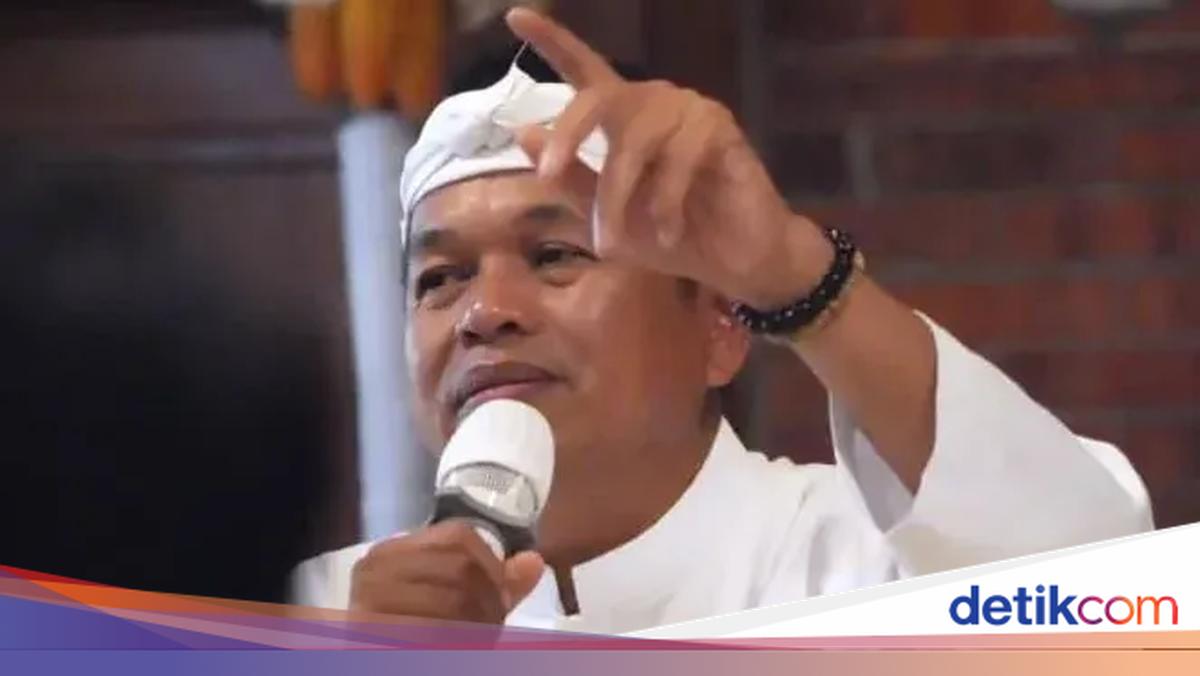
The Batutulis Inscription and the Mahkota Binokasih were the focus of a Cultural Heritage Discussion titled ‘Prasasti Batu Tulis dan Makuta Binokasih Sanghyang Pake’, held at Museum Pajajaran Bogor, Jalan Batu Tulis Blok Sekolah No.37, Bogor Selatan District, Bogor City, West Java, on Thursday, 14 May. ‘So Batutulis must have an academic book as well, providing a comprehensive study, starting from the date of creation, materials, who made it, what the inscription means, and then the Mahkota Binokasih Sanghyang Pake should be the same,’ said KDM in a written statement on Thursday, 21 May 2026. He argued that Bogor City holds an important position as the centre of the Pakuan Pajajaran Kingdom, evidenced by the Batutulis Inscription, and that history should be explained comprehensively to avoid misinterpretation. He added that the academic manuscript could form the basis for policy development covering urban planning, architecture, and governance of education and health in West Java, ensuring continuity between the past and future development. KDM emphasised that the Batutulis Inscription is not merely a historic relic but a testament to the Sunda Kingdom’s glory under Sri Baduga Maharaja Prabu Siliwangi. In a session, epigraphist Titi Surti Nastiti explained that the inscription was created on the orders of Raja Surawisesa to honour his predecessor Prabu Siliwangi (1482–1521), who played a key role in shaping Pakuan Pajajaran as the Sunda capital. Over time, however, physical traces of Sunda’s glory faded. Several factors are cited, including the strong influence of Islamic kingdoms across much of Java. Nevertheless, one artefact remains a potent symbol of Sunda’s majesty: the Mahkota Binokasih, now kept by the Sumedang Larang Palace. According to the ancient Carita Parahyangan manuscript, the crown was forged in the Galuh Kingdom as a symbol of power and legitimacy for Sunda rulers. After the Sunda Kingdom fell, four Pajajaran envoys handed the Mahkota Binokasih to Prabu Geusan Ulun at Sumedang Larang. Archaeometallurgy expert Harry Octavianus Sofian of BRIN, who attended the discussion, noted that the crown is closely linked to Sunda cosmology, namely the Tritangtu Cosmology. He explained that this concept divides life into three elements: humanity’s relationship with God, with fellow humans, and with the natural world. Sofian also described that the crown is designed with three symbolic elements representing roles in the Sunda Kingdom: Rama, Ratu/Prabu, and Resi. Rama symbolises the spiritual leader who safeguards adat, religion, and wisdom, as depicted in the crown’s upper section shaped as a stupa with lotus flower ornaments. The middle section (Ratu/Prabu) represents leadership in decision‑making and rule‑making, with triangular leaf motifs and Garuda Mungkur symbolising protection and the courage of a leader. The base (Resi) represents the intellectuals and advisors who provide knowledge and counsel in governance. Sofian also notes that Resi refers to the Kasundaan Bunisora Suradipati teachings, a prominent 14th‑century Sunda–Galuh figure known for wise leadership and reinforcing spiritual and cultural values. Given its significant historical value, the Mahkota Binokasih has long been kept with care by the Sumedang Larang Court. However, as part of Milangkala Tatar Sunda, the crown has travelled to several regions as part of Napak Tilas Pajajaran, offering communities a chance to learn more about Sunda Kingdom history.
Source: jawawa.id (https://jawawa.id/newsitem/kdm-supports-academic-study-of-the-batutulis-inscription-and-the-binokasih-crown-1779542730)
Originally published by detikcom (https://news.detik.com/berita/d-8498321/kdm-dukung-kajian-akademik-prasasti-batutulis-mahkota-binokasih), translated from Indonesian