
KDM Enlists Engineers to Overhaul Public Minibuses and Transport in West Java
West Java Governor Dedi Mulyadi (KDM) has called on engineers in Indonesia to carry out their duties in accordance with professional codes of ethics. He said engineers were needed to help resolve residents’ problems, particularly immediate, everyday challenges such as traffic congestion and flooding in Bandung.
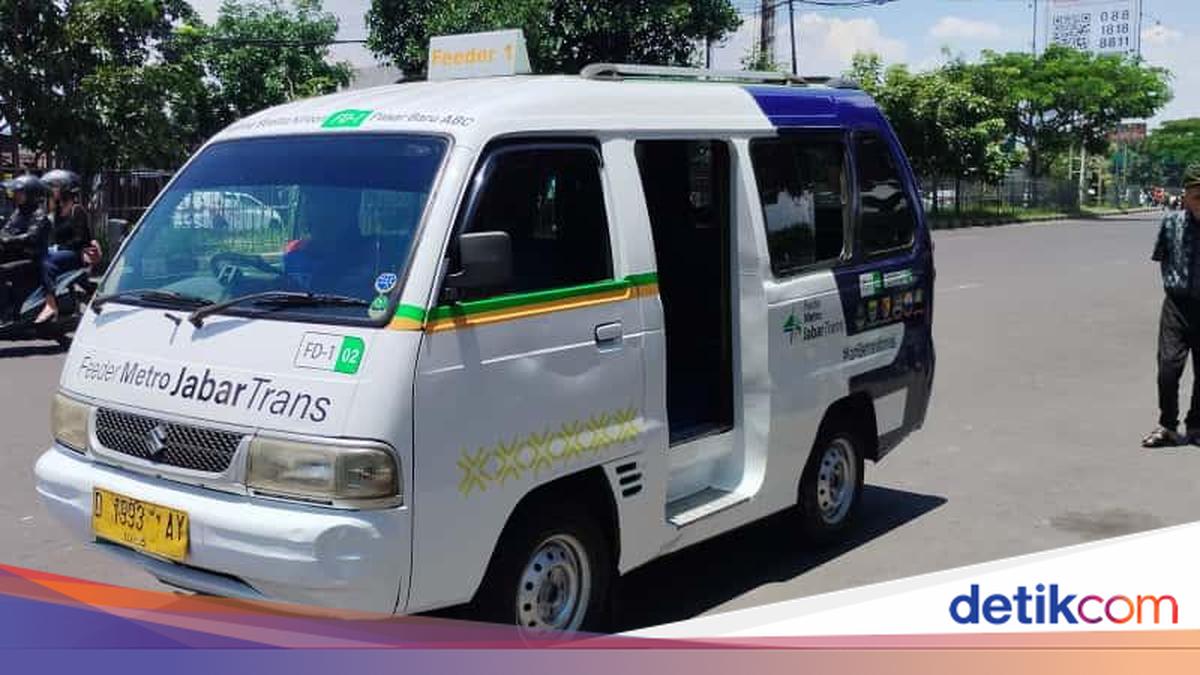
According to KDM, congestion in several West Java cities stems from poorly organised transport systems. He therefore proposed replacing ageing public transport vehicles with new ones.
“There should no longer be a system where drivers have to hand over their takings to the vehicle owner. Instead, vehicles should be designed around the characteristics of each area: they should be environmentally friendly, child-friendly and suitable for pregnant women, while also ensuring drivers’ welfare,” KDM said in a written statement on Friday (23 October 2026).
He made the remarks at the 44th Conference of the ASEAN Federation of Engineering Organisations (CAFEO 44), organised by the Indonesian Engineers Association (PII) in Bandung, West Java. The event began on Tuesday (20 October).
The plan will soon be discussed with the PII. KDM also urged engineers to work in accordance with their professional code of ethics.
“In medicine, there is malpractice, which is discussed by an ethics council and can lead to sanctions. Engineering is much the same as medicine: when problems arise because of faulty planning or engineering and management decisions, it must be discussed openly and responsibility established,” he said.
The PII’s Ethics Council can impose penalties on engineers who breach the code, ranging from light to severe sanctions, including blacklisting that would prevent them from working in Indonesia’s real sector.
“Going forward, I hope the PII will strengthen the influence of ethics, so that people work for three principles: God, humanity and justice,” he said.
PII Chairman Dr-Ing Ilham Akbar Habibie said the association was ready to work with local governments, including in the transport sector.
“We are looking for a more environmentally friendly and sustainable form of public transport in the form of angkot. The overall concept should still provide jobs for angkot drivers. The model will change so that, in future, the drivers will be like small-business owners and own their vehicles,” he said.
He added that transport vehicles also needed to be modernised with electric models, including through the electrification of angkot and the introduction of standards.