
KDKMP Cooperative Store Layout Criticised for Not Following Planogram, What Is It?
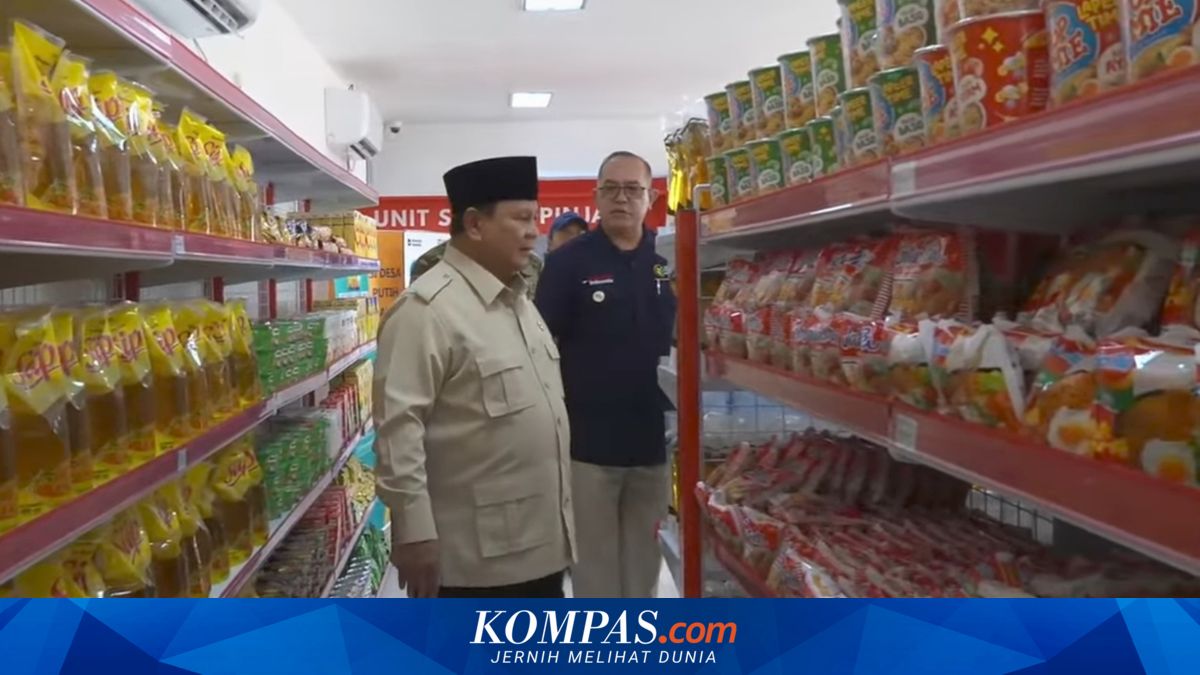
President Prabowo Subianto has inaugurated the operationalisation of 1,061 Koperasi Desa/Kelurahan Merah Putih (KDKMP) on Saturday, 16 May 2026.
However, netizens drew attention to the arrangement or display of goods inside the cooperatives. Posts showing the contents of the KDKMP went viral on social media.
The product layout inside the stores was described as unusual and not arranged like a modern retailer. Some criticisms even came from netizens who claimed to have worked in a convenience-store network.
According to several netizens, a store display is not simply about sorting items by colour or filling shelves at random, but requires an understanding of merchandising science and planograms.
Referring to the book titled “Retail Management A Global Perspective” by Harjit Singh, the position of products on the shelves, the spacing between displays, and the number of items displayed evidently play a major role in influencing customer comfort and sales.
Because of this, many retailers use planograms as their primary guide to store layout.
A planogram helps retailers determine shelf location, the number of displays needed, and the types of products placed in specific areas.
In other words, a planogram is a visual diagram that shows how merchandise should be placed on shelves, showwindows, and other store fixtures.
The aim is to create product displays that are easy to see, easy to reach, and attract consumers’ attention.
In practice, planograms are known by several other terms in various countries, such as POG, plano-gram, plan-o-gram, and schema.
Through planograms, retailers can identify important aspects, such as:
Planogram creation is not done randomly. Its assembly considers various factors, ranging from product sales levels, movement of goods within a category, to the space needs of each product.
High-selling products are usually placed in areas that are easily visible or within reach of customers.