
KBS and the Test of Budgetary Accountability
The KBS case must serve as a lesson to all regional-owned enterprises (BUMDs) in Surabaya: budgets are not merely figures to be spent or reports to be approved.
Surabaya (ANTARA) - Financial statements may look orderly, with figures arranged in balance sheets and supporting documents for every expense.
But administrative neatness loses its meaning if money is not used for its intended purpose. Budget accountability must be demonstrated through alignment between planning, expenditure and the benefits delivered.
Allegations of corruption in the financial management of the Surabaya Zoo Regional Public Company (Perumda Kebun Binatang Surabaya, or KBS) are a reminder that governance at regional-owned enterprises (BUMDs) must go beyond drawing up budgets and filing reports.
Every fund must have a clear purpose and a lawful basis for its use, with evidence that it has genuinely benefited the company and the public.
The case presents an opportunity for the Surabaya City Government to review oversight and accountability across all its BUMDs. The central issue is not only the scale of the losses, but also how allegedly improper spending was able to take place and be recorded in company accounts.
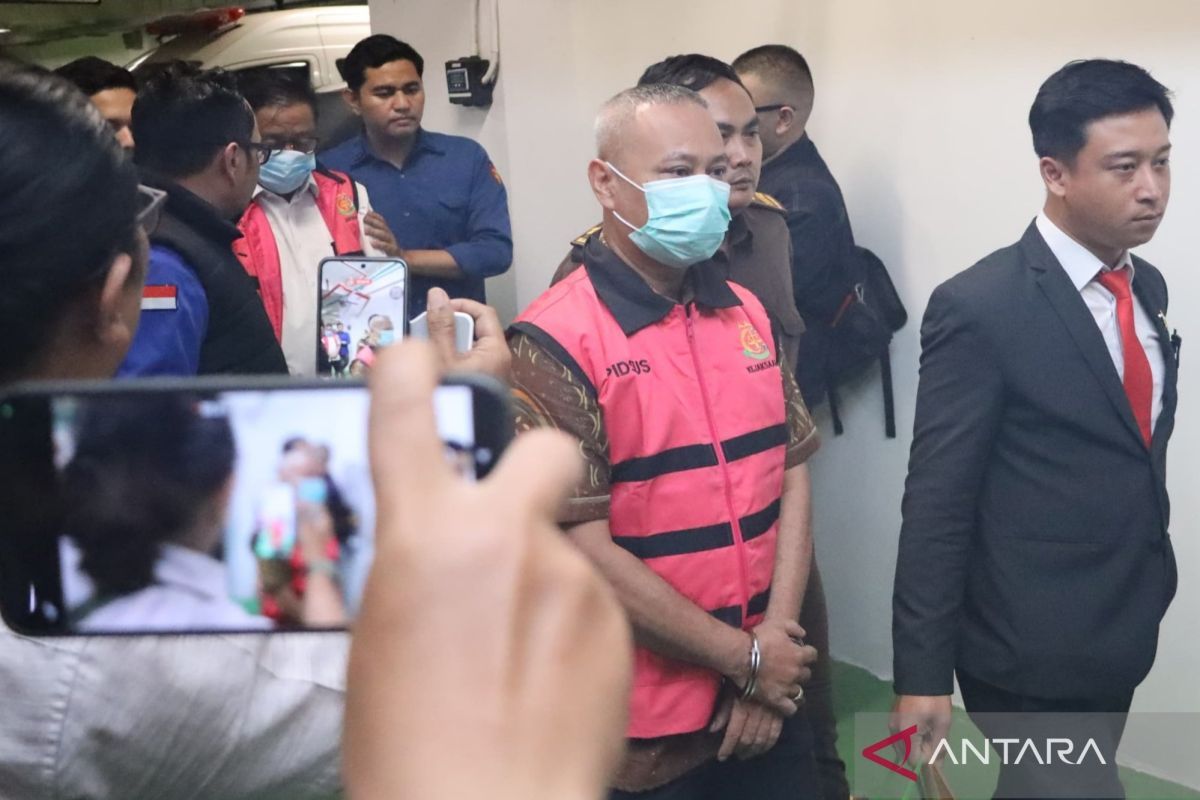
In November 2026, the East Java High Prosecutor’s Office named and detained four suspects in an alleged corruption case involving KBS’s financial management during the 2025–2026 budget years. They include two board directors, a member of the supervisory board and a lawyer.
An audit by the East Java representative office of the Financial and Development Supervisory Agency (BPKP), dated 11 November 2026, put state losses in the case at Rp3,270,559,452.
Investigators uncovered spending of around Rp2.41 billion allegedly used to pay for legal services and efforts to secure the termination of a case. The funds were reportedly never handed to investigators, despite being earmarked for that purpose.
To conceal the spending, the suspects allegedly drew up legal-services cooperation documents, fictitious cooperation agreements and payment receipts that made the transactions appear legitimate.
Investigators also found unaccounted spending of Rp707,775,022 in 2025 and Rp152,784,430 in 2026. The funds were recorded as expenditure on fuel, holiday allowances and honoraria.
The findings point to a problem more serious than errors in bookkeeping. Alleged spending outside its intended purpose, accompanied by fabricated documents, indicates that accountability mechanisms are weak when oversight is ineffective.
Orderly reports do not automatically reflect sound management. The use of funds must be tested against transactions, payment recipients, the existence of goods or services, and the results of the activities.
Source: jawawa.id (https://jawawa.id/newsitem/kbs-and-the-test-of-budgetary-accountability-1795575188)
Originally published by Antara (Indonesian) (https://www.antaranews.com/berita/5876443/kbs-dan-ujian-amanah-anggaran), translated from Indonesian