
KBPP Polri Chief: Criticism is Permissible, Insults Are Not
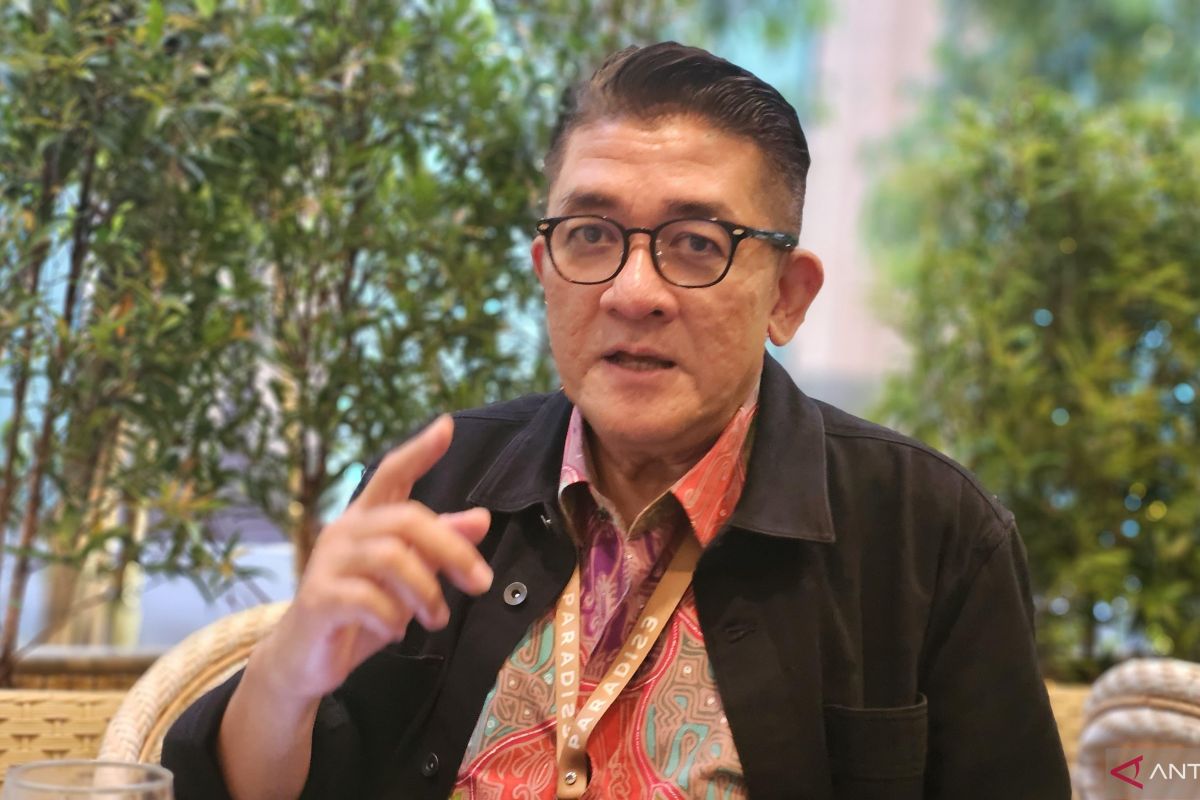
Jakarta (ANTARA) - The General Chairman of the National Police’s Extended Family (KBPP Polri), AH Bimo Suryono, stated that criticising policies in need of improvement is a constitutional right of citizens, but cautioned against turning insults into a new culture within Indonesian democracy. “When ethics vanish from the public sphere, what collapses is not only the authority of leaders, but also the quality of democracy, national unity, and public trust in state institutions,” he said in a statement in Jakarta on Monday. He highlighted the recent political, economic, and social conditions, including a wave of student protests criticising economic policy. One of the issues targeted by the demonstrators was the Free Nutritious Meals (MBG) programme, which they demanded be abolished. According to him, the necessary course of action is to evaluate, improve governance, tighten oversight, and ensure the programme is well-targeted, rather than simply scrapping a programme aimed at improving the nutritional quality of Indonesian children and supporting the acceleration of stunting reduction, which is a national development priority agenda. “A programme as large as MBG certainly requires refinement. However, evaluation must be conducted objectively based on data, not merely political narratives,” he stressed. He conveyed that democracy also demands maturity in delivering criticism. Criticising the President is the right of every citizen. However, criticism must be directed at policy and government performance, not transformed into attacks on personal honour. Regardless of various interpretations of such statements, he said, the public sphere should be filled with arguments based on data, academic studies, and constructive ideas. Intellectual tradition is not built through diction that could potentially be perceived as insulting, but through argumentation capable of providing solutions for the nation. He said students are agents of change as well as a moral force. Therefore, the voice of students will be more respected if conveyed with scientific argumentation, accurate data, good ethics, and constructive solutions. “This nation needs criticism that enlightens, not narratives that muddy the atmosphere,” said Bimo.