
KBLI transition an effort to maintain business certainty in Indonesia
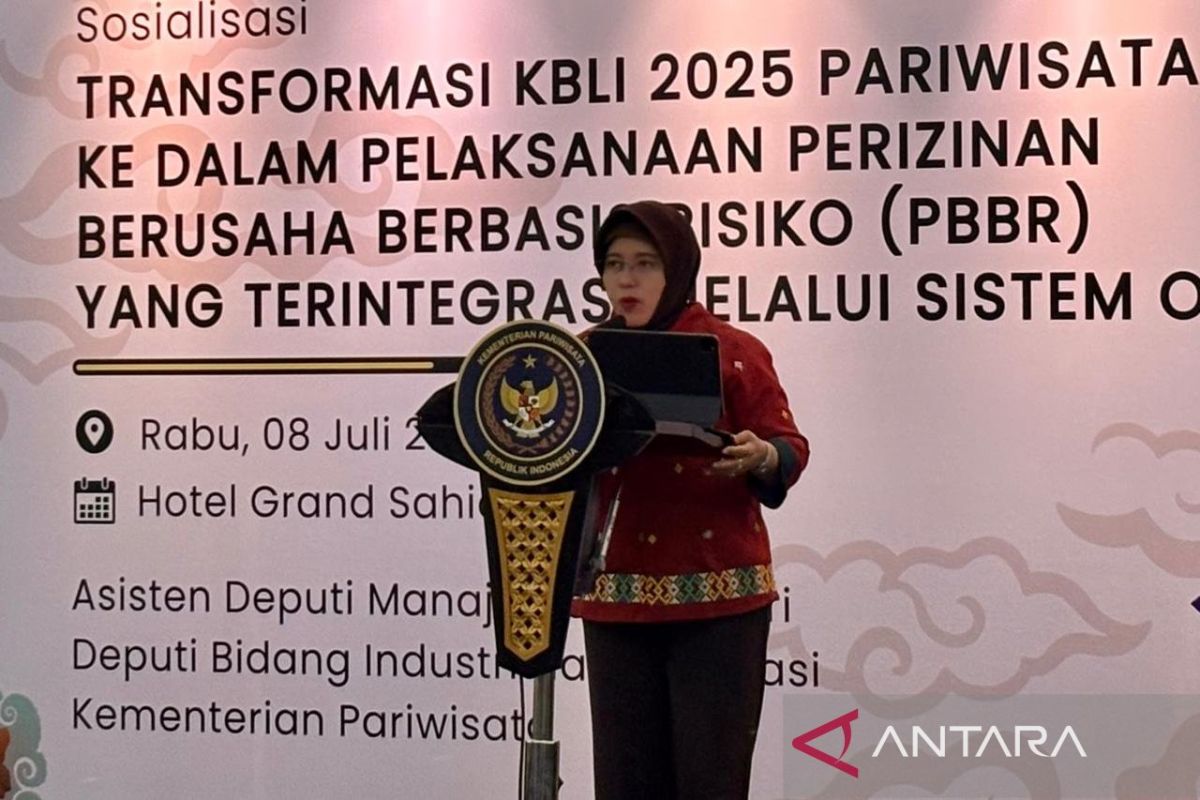
The 2025 KBLI transition is more than just a matter of migrating codes; it is about maintaining the consistency of business identity throughout the entire licensing ecosystem.
Jakarta (ANTARA) - The transition to the 2025 Standard Classification of Indonesian Business Fields (KBLI) serves as an example of administrative updates concerning an elementary issue: business certainty. In theory, KBLI appears simple. However, implementation is not as straightforward as merely changing classification codes, and some observers worry that this regulatory change could undermine investor confidence.
The government has, in fact, prepared a transition pathway through a Joint Circular Letter regarding the implementation of the 2_025 KBLI adjustments. The message within this Joint Circular Letter is quite clear: existing permits that have already been issued remain valid, and code changes that do not alter the substance of the business can be automatically converted through the system.
Furthermore, the alignment between the Online Single Submission (OSS) and the General Legal Administration (AHU) is directed to function in an integrated manner. Previously, the government also issued Government Regulation Number 28 of 2025 as the legal umbrella for the implementation of risk-based business licensing. The circular letter subsequently serves as a more specific guideline for navigating the transition towards KBLI 2025.
This policy should naturally be considered good news. Changes in business classification should not force companies to return to square one when managing legality. If the substance of the business activities remains unchanged, conversion can even be performed without amending the Articles of Association. Numerical adjustments are also designed not to increase the administrative burden on companies.
The issue is that simple policies require equally simple systems for users. Field experience shows that the KBLI transition is not merely about replacing one code with another. The more critical issue is ensuring that data already validated in one system can still be read, used, and verified in another.
In an increasingly data-driven business world, such continuity of information is a vital component of legal certainty. One problem arises when the implementation of KBLI 2025 is misinterpreted as the addition of new codes. In reality, OSS guidelines distinguish between applying for new business activities and adjusting existing ongoing business activities.
For ongoing businesses, conversion should be based on activities that are already recorded. Meanwhile, the menu for adding business activities is intended for when a company genuinely intends to introduce a new line of business. A difference that appears to be merely a choice on a computer screen can lead to significant administrative consequences.
Legal footprint
Source: jawawa.id (https://jawawa.id/newsitem/kbli-transition-an-effort-to-maintain-business-certainty-in-indonesia-1788253539)
Originally published by Antara (Indonesian) (https://www.antaranews.com/berita/5720416/transisi-kbli-ikhtiar-menjaga-kepastian-berusaha-di-indonesia), translated from Indonesian