
Kartini Day Moment: Deputy Minister of Human Rights Discusses the Crucial Role of Education for Women
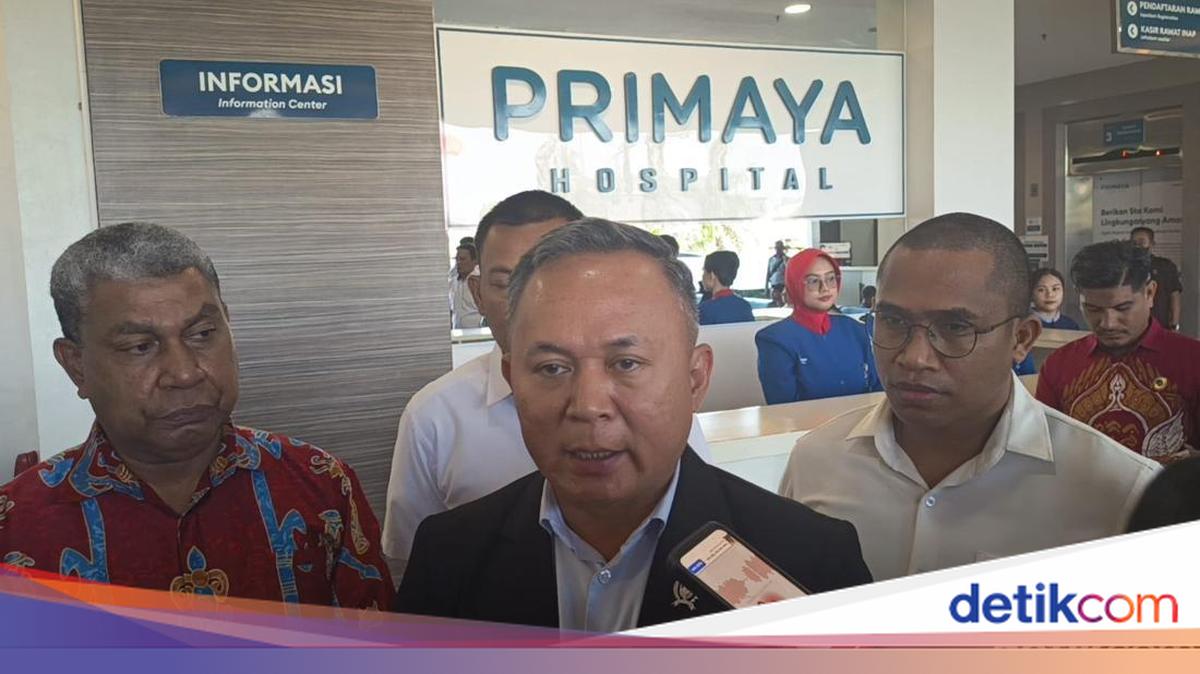
Deputy Minister of Human Rights Mugiyanto attended the 147th commemoration of Kartini Day at Pendopo Kartini in Jepara, Central Java. In this year’s reflection on Kartini Day, Mugiyanto addressed the crucial role of education for Indonesian women.
“Kartini did not fight to be remembered through ceremonies. Kartini wrote, fought, and was wounded so that Indonesian women could stand as tall, think as sharply, and dream as highly as anyone,” Mugiyanto told reporters on Wednesday (22/4/2026).
Mugiyanto stated that access to education was one of the main issues Kartini fought for during her lifetime. He noted that open access to education for women is the path to creating equality.
“Education is not so that women become wives who can discuss with their husbands, but so that women become whole human beings, and humans who can choose, refuse, and lead,” he said.
Mugiyanto explained that the school participation rate for girls has increased currently. Based on 2025 data from the Central Statistics Agency (BPS), the female dropout rate at the high school level is only around 2.14%.
This percentage is known to be higher in underdeveloped, frontier, and outermost (3T) regions. This is inseparable from factors such as poverty, child marriage, and the view that women do not need higher education.
According to Mugiyanto, Kartini’s struggle to free women from limitations in access to education and space for expression remains highly relevant in the current era. He affirmed that women’s education is a fundamental right that must be guaranteed without discrimination, including through preventing school dropouts and child marriages.
“The theme of this year’s Kartini Day commemoration ‘Women Dream, Women Inspire’ should be interpreted as a call to open spaces for women to dream, achieve, and take strategic roles in various sectors of life,” he explained.
This year’s Kartini Day commemoration was held at Pendopo Kartini in Jepara. Attendees included the Regent of Jepara Witiarso Utomo, Deputy Regent of Jepara M. Ibnu Hajar, Special Staff to the Minister of Culture for Cultural Diplomacy and International Relations, Head of the Central Java Regional Office of the Ministry of Human Rights, and representatives from Jepara Regency society.