
Kartini Day Is More Than Just Kebaya: The Often-Forgotten Meaning of Emancipation
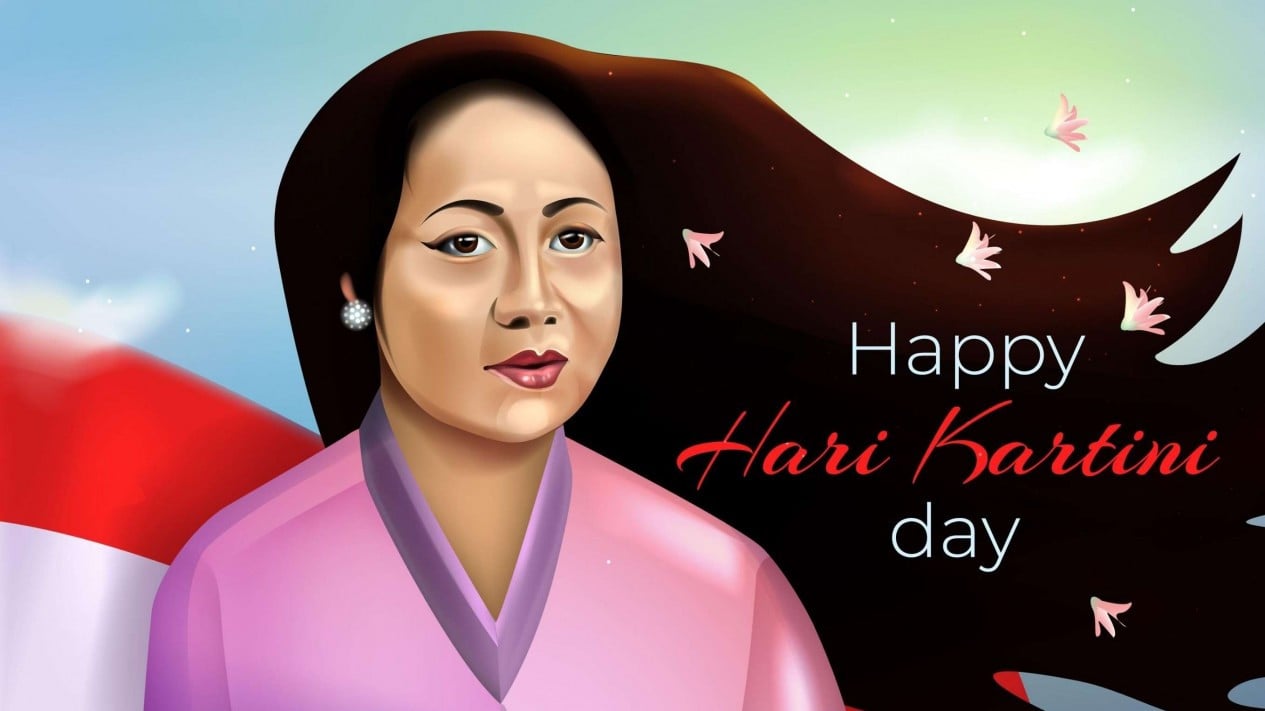
Jakarta, VIVA – Every 21 April, Indonesian society commemorates Kartini Day with various activities, from wearing kebaya to holding competitions themed around women. However, behind these symbols, there is a much deeper meaning of emancipation that is often forgotten. Kartini Day refers to the figure of Raden Ajeng Kartini, a female pioneer in the awakening of native women during the Dutch colonial era. Kartini was born on 21 April 1879 in Jepara and is known through her collection of letters, later published in a work titled Habis Gelap Terbitlah Terang. In those letters, she expressed ideas about the importance of education, equality, and freedom of thought for women. So far, Kartini Day celebrations have often been synonymous with kebaya and domestic-themed competitions. In fact, the core of Kartini’s struggle was not about appearance or traditional women’s roles, but about equal rights in various aspects of life. Kartini fought for access to education for women, which at that time was very limited. She believed that educated women would be able to elevate their status, family, and society at large. This thinking became an important foundation in the development of women’s education in Indonesia. In the current era, women’s emancipation has experienced significant progress. Indonesian women now have broader opportunities to pursue careers, engage in politics, and lead. However, challenges still persist, such as wage disparities, gender stereotypes, and limited access in some regions. The meaning of Kartini Day should serve as a reminder that the struggle is not yet over. Emancipation is not just about individual freedom, but also about creating a fair and inclusive system for all. Kartini Day commemorations should not stop at ceremonial activities. The values of Kartini’s struggle need to be brought to life in everyday life, such as supporting women’s education, combating discrimination, and opening equal spaces in various fields. Reviving Kartini’s spirit also means encouraging women to dare to speak out, create, and take roles in nation-building. Kartini Day is not just about kebaya or annual celebrations. More than that, it is a moment to reflect again on Raden Ajeng Kartini’s struggle for equality.