
Kamis Mlipis: When Language Breathes Again
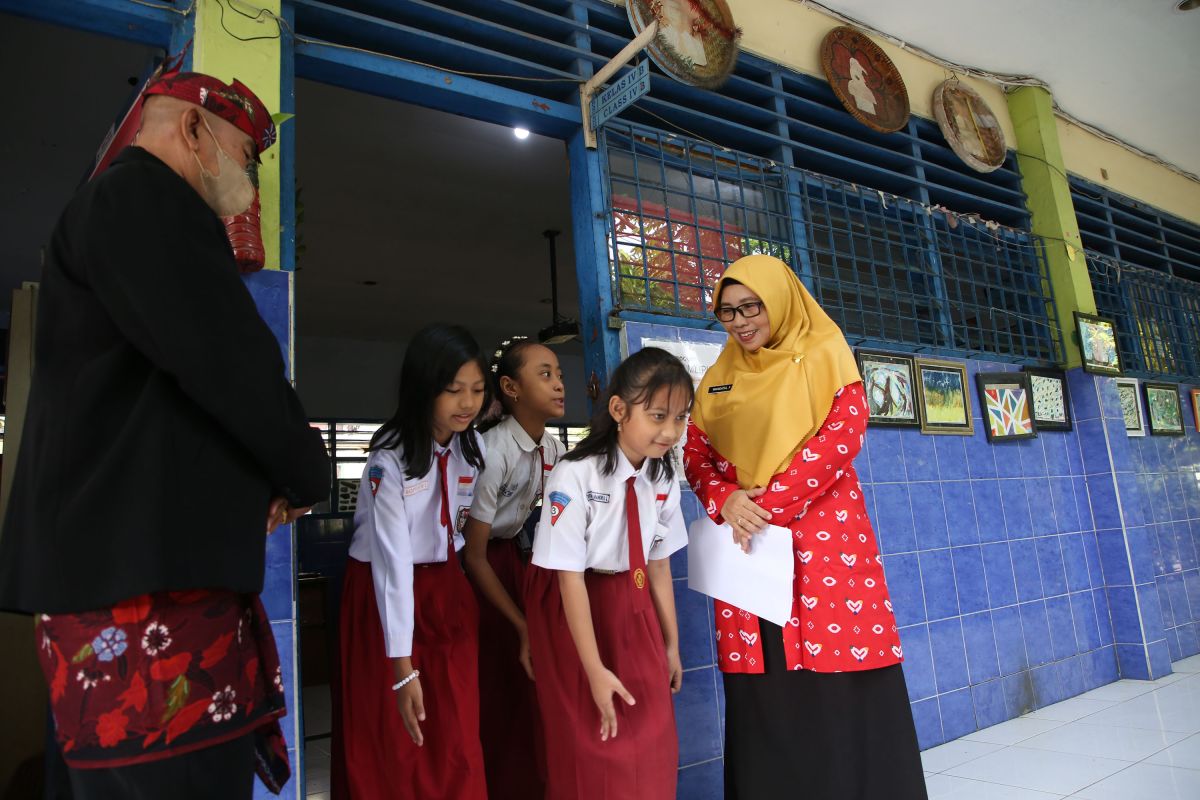
Programmes like Kamis Mlipis require consistency, teacher training, relevant teaching materials, and family support. Without synergy beyond schools, regional languages risk being confined to limited formal settings. Surabaya (ANTARA) – In a classroom in Surabaya, Thursday conversations no longer fully use Indonesian. Amid rows of desks and whiteboards, a steady effort is underway to revive Javanese vocabulary increasingly absent from urban children’s daily lives. On Thursdays, the Kamis Mlipis programme positions language not merely as a communication tool, but as a bridge of memory, identity, and pride tested by the times. The Kamis Mlipis initiative emerges as part of the education sector’s effort to tackle a major challenge: preserving mother tongues amid globalisation and digital culture. Yet behind this simple idea lies a long journey of policy, social dynamics, and the tension between cultural preservation and the realities of modern, diverse school environments. Kamis Mlipis did not emerge in a vacuum. It is part of a national strategy to revitalise hundreds of regional languages and dialects across provinces. Education Ministry data shows at least 105 languages and dialects have been targeted for revitalisation in recent years, in response to declining use of mother tongues among younger generations. Locally, Surabaya stands out in implementing this policy. Javanese language reinforcement in schools is bolstered by local regulations mandating it as a compulsory local content subject from primary to lower secondary education. This policy provides the formal foundation that ensures programmes like Kamis Mlipis are integrated into the learning system, not just extracurricular activities. National recognition through the Regional Language Revitalisation (RBD) award cements Surabaya’s role as a key hub for mother tongue preservation in Indonesia. The accolade also highlights how city-level efforts resonate within the national cultural agenda.