
Kalijaran Mapan: Cultivating Self-Sufficiency from Upstream to Downstream
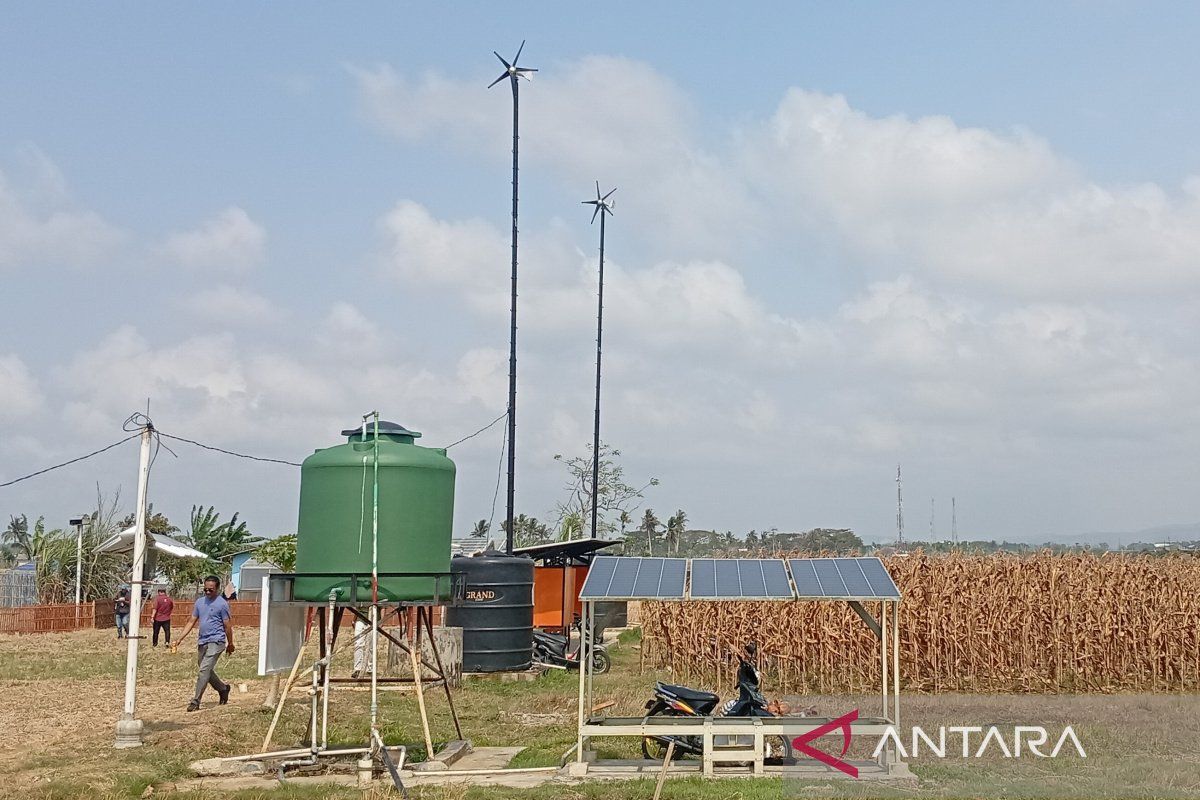
In the paddy fields of Kalijaran Village, Maos District, Cilacap Regency, Central Java, solar energy does more than just provide light; it is converted into power to circulate water, revitalise land, and gradually drive the local community’s economy.
In this area, the Margo Sugih Farmers Group (Gapoktan), alongside the Mintih Mulia Livestock Group, the Mekar Jaya Lestari Women Farmers Group (KWT), and the Tandur Makmur Women Farmers Group, are implementing the ‘Kalijaran Mapan’ programme, which stands for Sustainable Agricultural Management Community.
This flagship Corporate Social and Environmental Responsibility (TJSL) programme by PT Pertamina Patra Niaga Refinery Unit (RU) Cilacap extends beyond merely providing agricultural production facilities. The approach is built from upstream to downstream, encompassing energy, water, cultivation, livestock, crop processing, and marketing.
This development began with a solar power plant (PLTS) with a capacity of 1,050 Wp used to support land irrigation. Following mentoring and programme development since 2023, the installed energy capacity has increased to 22,850 Wp, used to operate several irrigation pumps. The area of land benefiting from this irrigation has expanded from approximately two hectares to 15 hectares.
“Previously, we only had one solar power plant; now it has grown to eight solar power plants. One solar power plant for one pump,” said Priyatno, Chairman of the Margo Sugih Farmers Group.
This renewable energy has served as the gateway to broader changes. The water pumped to irrigate the paddy fields not only supports rice crops but also supports horticulture and livestock.
Kalijaran Mapan is equipped with a reservoir (embung) that collects excess water, which is also utilised for fish farming. Surrounding the land are communal duck pens, agricultural demonstration plots, nurseries, hydroponic greenhouses, horticultural beds, and educational pavilions.
Duck manure is repurposed as organic fertiliser, while plants such as azolla, lemna, and water hyacinth are used as supplementary feed ingredients.
For Priyatno, this pattern ensures that agriculture no longer operates in isolation. Rice production yields rice and by-products that can be used for other needs, livestock produces eggs and fertiliser, while horticulture provides diverse commodity options and additional income streams.
The group aims for an integrated agricultural system from upstream to downstream. The goal is not just to plant, but to ensure that the harvests can be processed to create added value.