
Kalibata Flyover Used for Kite Flying, Highlighting Public Space Shortage
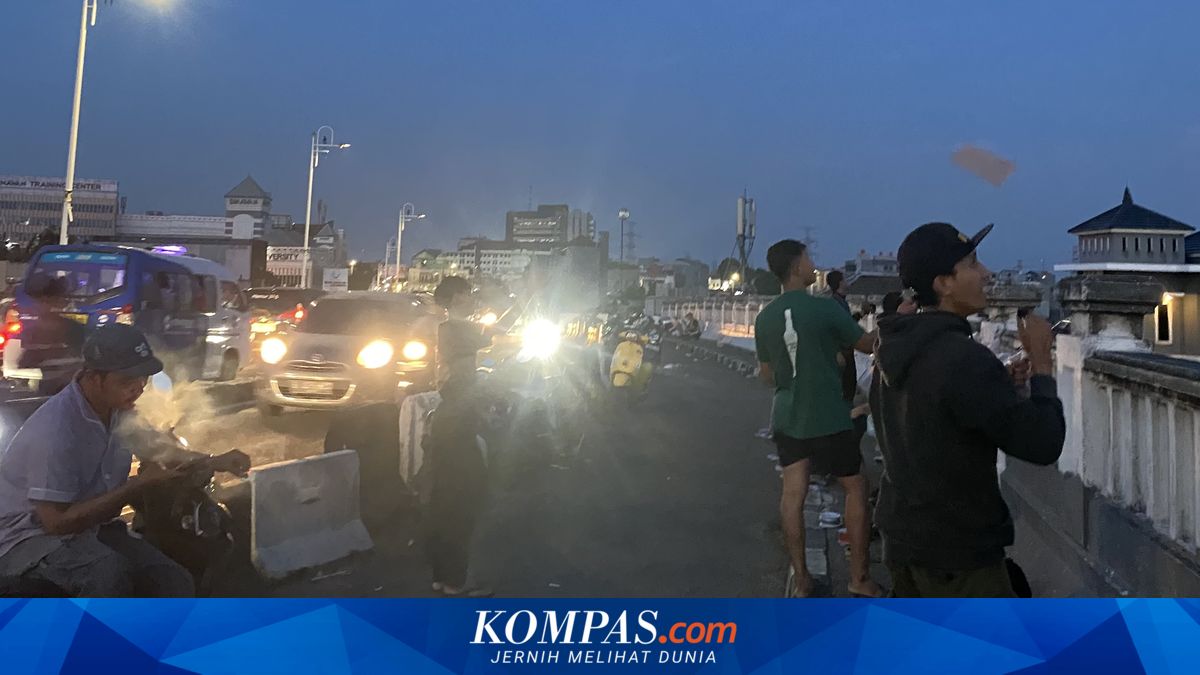
The Kalibata flyover in South Jakarta, repurposed as a kite flying spot by residents, highlights the scarcity of accessible public space in the city. Urban planning expert Muh Aziz Muslim of the University of Indonesia stated that this is not merely a spontaneous recreational activity but reflects the shortcomings in urban space planning, which has failed to provide safe, free, and inclusive areas for citizens. Aziz noted that residents are compelled to utilise available spaces, even if they were not designed for such activities. This underscores a gap between citizens’ social needs and the current availability of urban spaces.
“This is a clear signal that limited and inadequate public space drives people to seek alternatives,” Aziz told Kompas.com on Saturday, 23 May 2026.
In many cases, such spaces are chosen due to accessibility, openness, and the lack of alternative public areas nearby. He added that this indicates an informal shift in the function of urban spaces. Transport infrastructure spaces, meant to be free of non-traffic activities, are gradually transforming into social areas for residents during certain times. He described this as a “warning sign” requiring urgent attention from city authorities on public space provision.
“This is a specific alarm for city governments to address citizens’ basic needs regarding public space availability,” he said.
He also highlighted that using the flyover as a play area is a community adaptation to increasingly dense and constrained urban environments. In such circumstances, residents tend to utilise the most accessible spaces for communal use. The flyover’s open, flat structure and easy access, he noted, have inadvertently turned it into an informal gathering point. Additionally, the lack of clear physical barriers in some sections encourages public use of the space.
Aziz assessed that this reflects a “functional void” in certain urban infrastructure spaces, lacking adequate supervision and management. “There are no boundaries, no fences, so residents see it as accessible and usable,” he added.
He added that this is also linked to insufficient regulation of public space usage in certain urban areas. As a result, spaces not intended for public activities are repeatedly used without clear oversight. Without clear regulation, infrastructure spaces risk endangering road users and nearby residents.
Aziz stressed that the core issue is not the emergence of citizen activities, but the lack of regulations balancing transport functions with social needs. “This involves safety, comfort, and ensuring public order is maintained,” he said.
Nevertheless, he acknowledged potential benefits, such as new social interaction spaces amid urban constraints. The activity demonstrates high demand for communal spaces among residents. He stated that flyovers could serve as temporary solutions for social needs, provided they are regulated to avoid disrupting infrastructure functions. He also noted that informal open spaces can add value, such as improving environmental quality when properly managed with greening or open space planning. However, he reiterated that safety remains the top priority. The risk of accidents from interactions between recreational activities and vehicle traffic cannot be overlooked in this context.