
Kaliandra and Sorghum Projected to Support Future Bioenergy
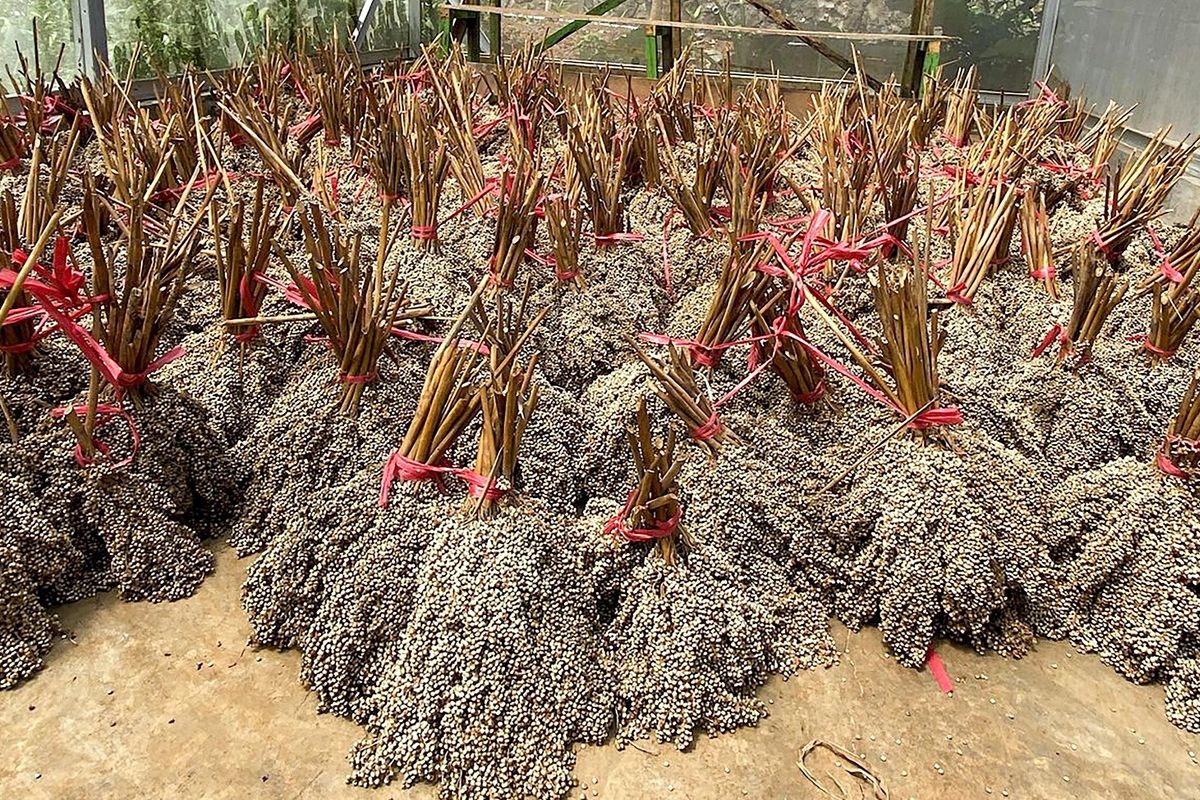
The increasing demand for renewable energy is driving the importance of developing sustainable biomass sources. Beyond supporting carbon emission reductions, biomass is considered to have great potential as a raw material for future energy, including green hydrogen.
To support this development, PT PLN Energi Primer Indonesia (PLN EPI) is strengthening research collaboration on energy crops, specifically kaliandra and sorghum, alongside PT PLN Pusat Penelitian dan Pengembangan Ketenagalistrikan (PLN Puslitbang) and the Sumatra Institute of Technology (Itera).
Director of Biomass at PLN EPI, Hokkop Situngkir, stated that this collaboration is aimed at supporting the development of biomass as a co-firing fuel for power plants, while also opening opportunities for using biomass as a raw material for green hydrogen production through gasification.
According to Hokkop, the development of energy crops is a vital part of building national biomass supply security amidst the rising need for renewable energy. “In the future, biomass requirements will continue to increase alongside the expansion of co-firing implementation and national bioenergy development. Therefore, PLN EPI is not only building a biomass supply chain but also encouraging research and innovation so that bio-based energy sources can be utilised optimally and sustainably,” said Hokkop.
The collaboration was marked by a kick-off meeting for bioenergy research held at the Itera Campus in Bandar Lampung.
Hokkop explained that kaliandra and sorghum were selected due to several advantages as energy crops. In addition to being able to grow on marginal lands that are less productive for food crops, both plants possess high productivity and can be utilised for various energy needs.
“Bioenergy plays a role not only in reducing emissions but also in creating new economic value for the community. Through this collaboration, we want to ensure that biomass development in Indonesia is supported by robust research, appropriate technology, and sustainable business models,” he added.
General Manager of PLN Puslitbang, Mochamad Soleh, noted that synergy between industry and universities is a crucial factor in producing innovations that can be directly applied to the electricity sector. “PLN continues to encourage applied research that can meet future energy needs. The development of energy crops like kaliandra and sorghum is expected to produce more efficient biomass utilisation models, both for co-firing needs and other green energy developments,” he said.
Meanwhile, the Rector of Itera, Prof. Nyoman Pugeg Aryantha, stated that this collaboration represents the contribution of higher education institutions in supporting renewable energy development and sustainable development in Indonesia. “Itera is committed to presenting innovations relevant to the needs of industry and society. Through this collaboration, we hope to produce technology and energy crop development models that can provide real benefits for Indonesia’s renewable energy development,” he said.
The research covers the development of energy crop cultivation, analysis of biomass characteristics, studies on utilisation for power plant co-firing, and the development of biomass-based green hydrogen through gasification.
In addition to strengthening national energy security, the results of this research are expected to create added value for the agricultural and forestry sectors, as well as the community economy, through the formation of an integrated bioenergy ecosystem.
As a primary energy sub-holding, PLN EPI continues to drive biomass development as part of the national energy transition strategy. Currently, biomass co-firing programmes have been implemented in dozens of coal-fired power plants (PLTU) across various regions in Indonesia to help reduce carbon emissions and increase the use of domestic resources.
According to Hokkop, bioenergy development aims not only to provide alternative fuels for the electricity sector but also to build a green economic ecosystem involving academics, industry, farmers, and the community. “The collaboration between PLN EPI, PLN Puslitbang, and Itera serves as an important foundation for transforming Indonesia’s biological resource potential into a clean, sustainable energy for the future that provides economic benefits for the nation,” Hokkop concluded.