
KAI's Surabaya Commuter Network Serves Over 10 Million Passengers in First Seven Months of 2026
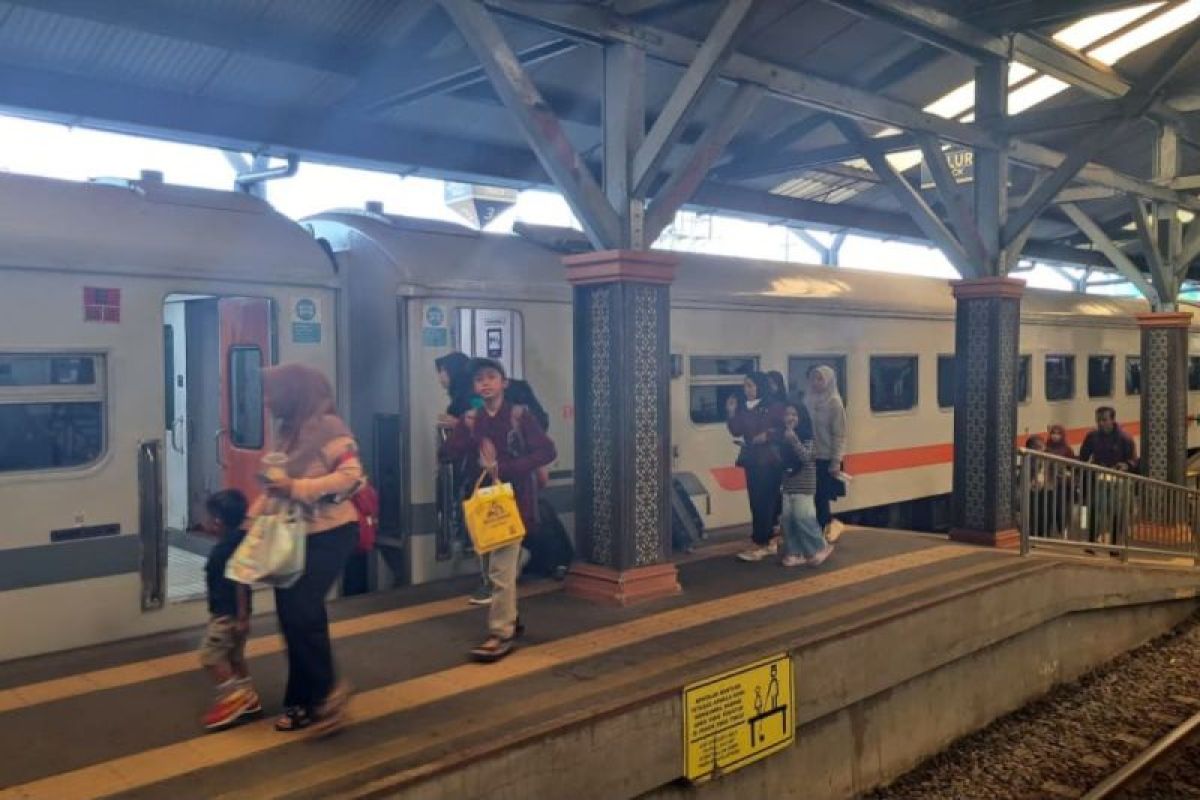
Jakarta - As the weekend approaches, local trains have become a popular choice for East Java residents travelling between cities to visit family, enjoy culinary experiences, or explore tourist destinations. The Commuter Line Area VIII Surabaya network connects Surabaya with various cities through scheduled daily services.
PT Kereta Api Indonesia (Persero) recorded that the Commuter Line Area VIII Surabaya, managed by KAI Commuter, served 10,009,552 passengers from January to July 2026. This figure represents an 8.15 percent increase compared to the 9,255,362 passengers recorded during the same period in 2025.
Annual figures also show a steady rise. The service recorded 13,360,638 passengers in 2023, which increased by 10.26 percent to 14,731,053 in 2024. In 2025, the number rose by a further 8.73 percent to 16,016,534 passengers. Over two years, passenger numbers have grown by approximately 2.66 million, or 19.88 percent, compared to 2023, reflecting the growing demand for intercity travel in East Java driven by work, education, trade, family, and tourism.
KAI Vice President of Corporate Communication, Anne Purba, stated that local trains play a close role in the daily activities of the community. “In the first seven months of 2026, more than 10 million passengers have used the Commuter Line Area VIII Surabaya. Behind these numbers are people commuting to work, studying, trading, meeting family, and travelling to enjoy the weekend. The rail network makes various cities increasingly accessible,” she said.
The service currently operates 50 daily trips, including the Commuter Line Dhoho, Penataran, Jenggala, Arjonegoro, Supas, and Blorasura. The network connects Surabaya with Sidoarjo, Mojokerto, Jombang, Kediri, Tulungagung, Blitar, Malang, Pasuruan, Probolinggo, Lamongan, Bojonegoro, and Cepu.
The Commuter Line Dhoho links Surabaya with Kertosono, Kediri, Tulungagung, and Blitar, providing access to Kediri’s city tourism and culinary scene, as well as Blitar’s historical sites, including the Bung Karno tomb complex. The Commuter Line Penataran connects Surabaya with Malang and Blitar, with Malang being a popular weekend destination for its city tourism, cuisine, and the Kayutangan heritage area.
The Commuter Line Jenggala serves the Surabaya, Sidoarjo, and Mojokerto route, with Mojokerto acting as a gateway to the Majapahit heritage sites in Trowulan, while Sidoarjo offers culinary centres and economic activity closely linked to Surabaya. On the northern route, the Commuter Line Arjonegoro connects Sidoarjo and Surabaya with Lamongan and Bojonegoro, supporting daily work commutes and providing access to culinary, cultural, and local tourism destinations along East Java’s northern coast.
To the east, the Commuter Line Supas links Surabaya with Pasuruan and Probolinggo. Probolinggo is known as a gateway to the Bromo area, while Pasuruan offers a variety of natural, cultural, and culinary attractions. The Commuter Line Blorasura extends connectivity from Surabaya Pasar Turi to Lamongan, Bojonegoro, and Cepu, linking the activity hub of Surabaya with western East Java and the border of Central Java.
Surabaya itself serves as a destination for travellers from these cities. From stations in the city centre, passengers can continue their journey to areas such as Tunjungan, Peneleh, Surabaya’s Old Town, museums, culinary centres, and various public spaces.
Anne Purba noted that the travel patterns demonstrate how the local rail network brings regional activities closer together. Journeys once seen as intercity travel can now become part of daily routines or a choice for spending weekend time with family. “Each line has its own story and serves different community needs. There are passengers commuting for work, students returning to their hometowns, families visiting each other, and people wanting to enjoy another city on the weekend. We want rail services to remain a choice that is close to people’s lives,” she concluded.