
KAI waste reaches 1,854 tonnes per year as integrated management begins at Gambir
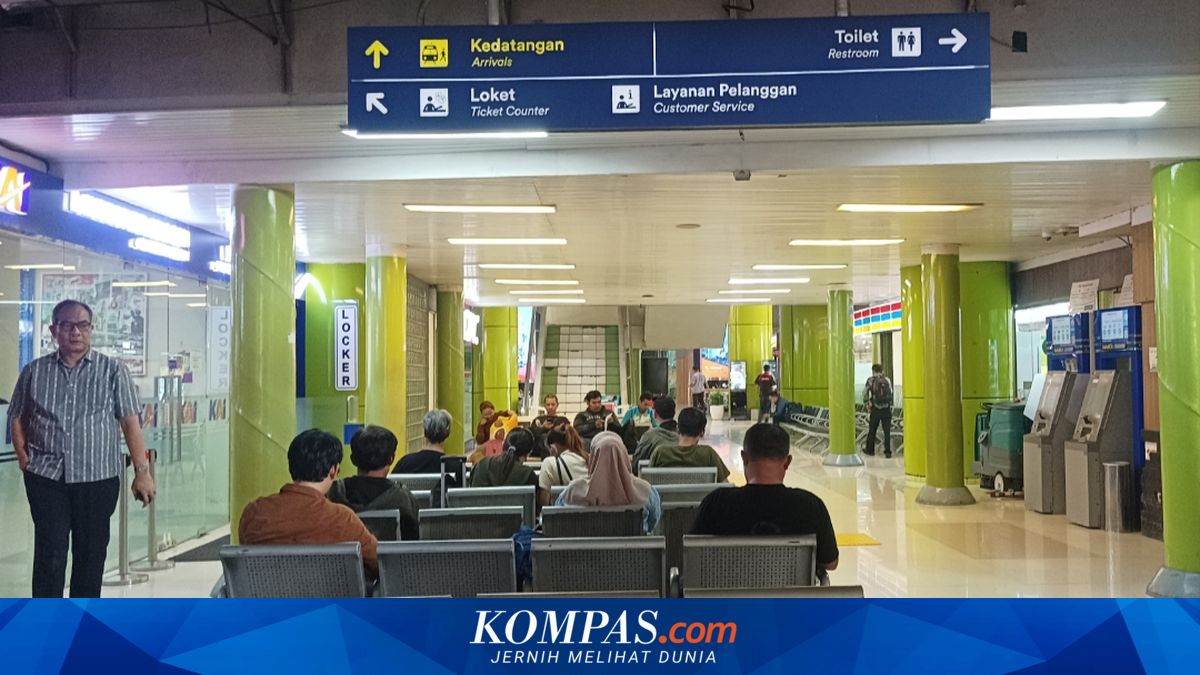
PT Kereta Api Indonesia (Persero) together with its subsidiary, PT Reska Multi Usaha, or KAI Services, has introduced an integrated waste management system at Gambir Station in Jakarta. This initiative is undertaken to improve waste management at the station. The process covers sorting, collection, and processing of waste. The programme is also aimed at creating a cleaner and more comfortable station environment for railway customers. Chief Executive Officer of KAI Services, Krisna Arianto, stated that the implementation of the Integrated Waste Management programme is a strategic step for the KAI Group. The programme is oriented toward building a clean, modern, environmentally friendly public transport ecosystem and supporting the circular economy. “As the initial stage of implementation, the KAI Group is launching an integrated waste management pilot at Gambir Station, Jakarta,” Krisna said in an official statement dated Thursday (21 May 2026). “The programme is designed to change the paradigm of waste management, from merely disposing of waste to an integrated management system that includes sorting, collection, processing, and optimal and value-added reuse of waste,” he said. Krisna explained that the programme forms part of the KAI Group’s waste management roadmap for the 2026–2029 period. The roadmap is aimed at building a more integrated waste management system across the company’s operational areas. Currently, total waste generation within the KAI Group is around 1,854 tonnes per year, or more than 4.3 tonnes per day. Therefore, the programme’s implementation is focused first on stations with high activity and waste volumes. The programme will then be expanded gradually to other operational areas, including rail lines. The facility is used to strengthen source-separation, improve operational efficiency, and reduce the volume of waste sent to final disposal sites (TPA). The waste will also be processed into products of economic value and environmentally friendly energy. Organic waste is directed to produce fertiliser. The fertiliser can be used for operational needs and greening programmes within the KAI Group. “The programme is part of the transformation of railway services that not only focuses on operational quality, but also environmental sustainability,” Krisna said. “The Integrated Waste Management programme is a manifestation of the KAI Group’s commitment to delivering modern public transportation services that are environmentally responsible,” he added.