
KAI Warns: Burning or Dumping Rubbish Near Railway Tracks Can Lead to Three Months' Imprisonment
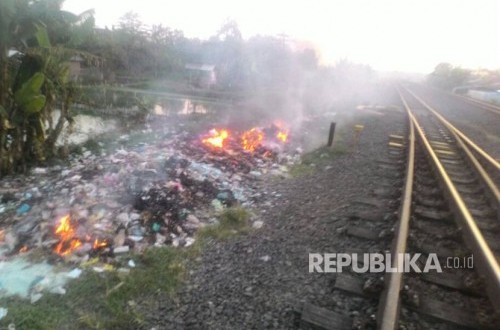
PT Kereta Api Indonesia (Persero) has reminded the public not to dump or burn rubbish along railway tracks. In addition to potentially disrupting train safety, such actions are subject to criminal penalties under the prevailing regulations.
Muhibbuddin, Public Relations Manager of KAI Daop 3 Cirebon, stressed that the area surrounding the railway line is a sterile zone and must not be used for any public activities, including waste disposal or burning. He explained that these actions not only endanger railway operations but also violate Law Number 23 of 2007 concerning Railways.
‘Dumping rubbish around the tracks is not only a violation of the rules but also threatens the safety of train journeys. Under Article 199 of Law Number 23 of 2007 on Railways, anyone caught disrupting activities on the railway line faces a prison sentence of up to three months or a maximum fine of IDR 15 million,’ Muhibbuddin stated.
He further explained that burning rubbish or crop residue near the tracks poses multiple risks. Thick smoke can obstruct a train driver’s visibility, while the heat from fires can damage optical cables installed along the railway. These cables are critical for supporting the signalling system and ensuring train safety. ‘If these optical cables are damaged, the railway signalling system will be disrupted. This condition clearly endangers the safety of train journeys,’ he added.
The potential danger is heightened as the Cirebon region is currently experiencing hot weather accompanied by strong winds, making it easier for fires to spread to the track area. Beyond the fire risk, the habit of littering can also cause environmental problems. Accumulated rubbish can clog drainage systems, increasing the risk of flooding and causing ground instability around the tracks.
To anticipate these various potential disruptions, KAI Daop 3 Cirebon conducts routine patrols at vulnerable points, cleans up rubbish found around the tracks, and installs warning banners at strategic locations. KAI is also collaborating with the police, local government, and community leaders to enhance public education on the importance of maintaining railway operational safety.
Muhibbuddin emphasised that railway safety requires support from all parties, including residents living near the tracks. ‘The safety of train journeys is our shared responsibility. We appeal to the public’s conscience to look out for one another and refrain from actions that could trigger potential hazards,’ he said.