
KAI to Utilise AI for KRL Travel System, Trial on Green Line
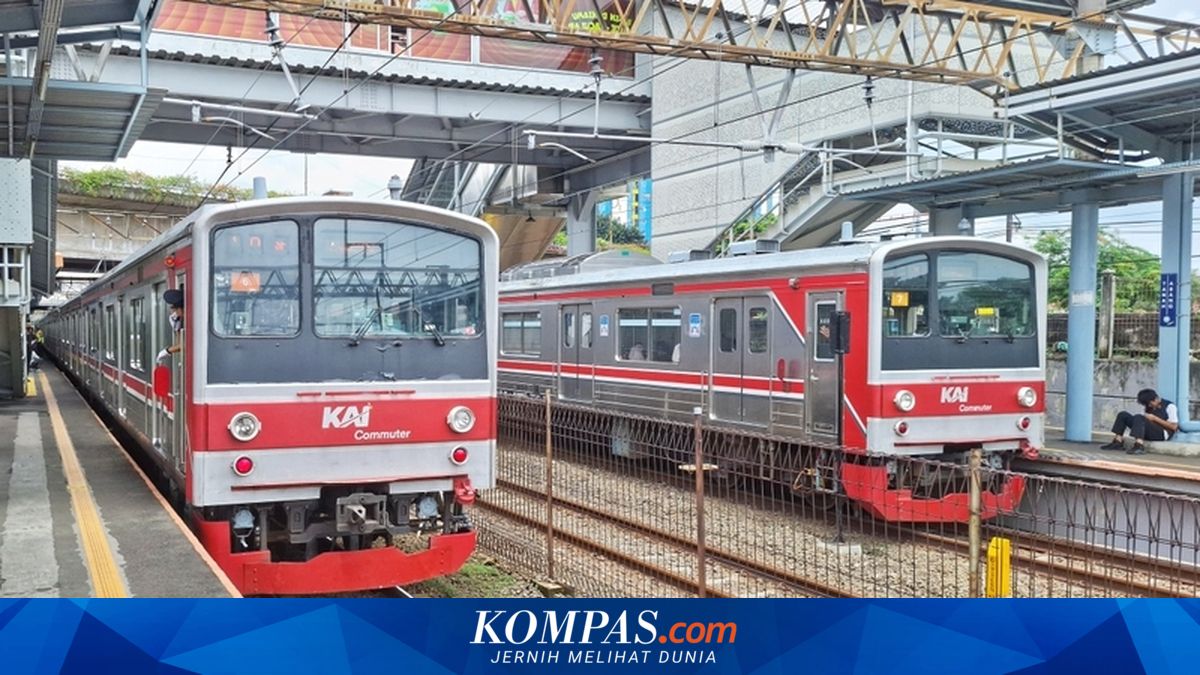
JAKARTA - PT Kereta Api Indonesia (Persero) plans to leverage artificial intelligence (AI) technology in managing the operational system for train journeys.
KAI President Director Bobby Rasyidin stated that this step is part of the digital transformation to abandon the manual systems currently used in calculating the Train Travel Schedule (Gapeka) and Train Journeys (Perka).
“Now, calculating Perka or train journeys is still manual. Abroad, everything is AI-based, faster and more accurate,” said Bobby at Tanah Abang Station on Wednesday (15/4/2026).
The main advantage of using AI lies in the system’s ability to record and analyse data quickly when travel disruptions occur in the field.
This is considered crucial for services like the KRL Commuter Line, which has very high journey frequencies, ensuring no disruption to other trains.
“So, for example, if there are obstacles on the track, abroad they immediately reroute the trains using AI or AI machines. Now it’s still manual. We’ll get there,” explained Bobby.
The implementation of AI in operational management will initially be trialled on the Tanah Abang-Rangkasbitung route or Green Line.
According to Bobby, the Green Line is a route that still has many issues for KAI to resolve.
If AI operational management is successfully implemented on the Green Line, the project will later be expanded to the entire national railway network.
“We’re preparing our premium service, our increasingly solid operational performance. Which trains are late now? Right? Especially once we use AI,” he said.
Bobby also mentioned that implementing AI not only minimises human errors but also boosts service productivity.
“KAI’s operational performance with AI will definitely improve. As I said earlier, the priorities are three. First, how I maintain the safety level at 100 percent, second, operational performance, and third, improving service for customers,” he stated.
In addition to journey management, this AI technology will also be integrated with security surveillance systems along the tracks.
This is done to reduce accident rates or incidents at level crossings that still frequently occur with crossing vehicles.
“Now we’re installing CCTV everywhere. All CCTV is equipped with AI-based automation, and with this, it’s hoped that (accident rates) will decrease,” he added.