
KAI Strengthens Support for National Tourism Development
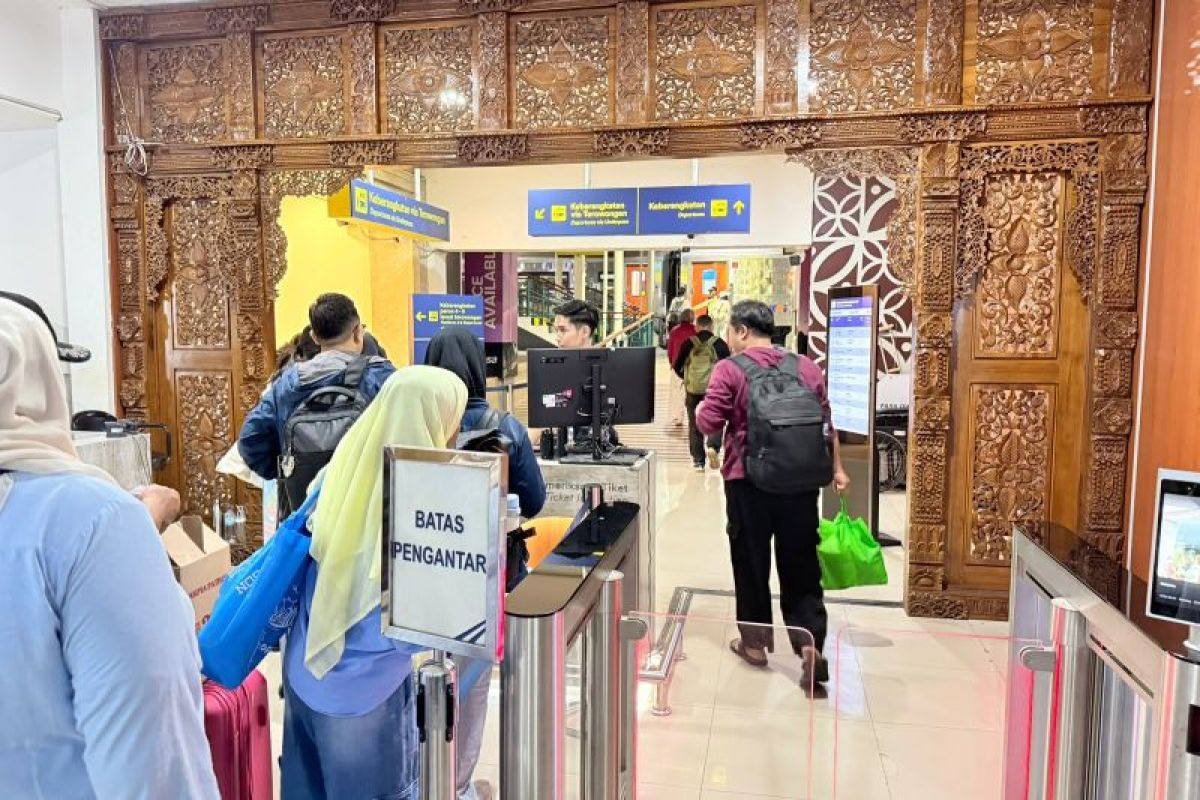
PT Kereta Api Indonesia (Persero) continues to strengthen its role in supporting the development of national tourism through rail-based transportation services connecting various cities in Java, Sumatra, and South Sulawesi. This connectivity facilitates public access to tourist destinations, cultural centres, culinary hubs, creative economy zones, and various national and regional agendas that drive the tourism sector.
This role is increasingly relevant as tourism activities in Indonesia rise. Data from the Central Bureau of Statistics (Bulstat) shows that the number of domestic tourist trips in May 2026 reached 106.16 million, an 8.69 per cent increase compared to May 2025. During the same period, international tourist arrivals reached 1.38 million, up 5.83 per cent, while the occupancy rate of starred hotels reached 50.76 per cent. These developments indicate that national tourism activity remains stable, providing opportunities to strengthen inter-regional connectivity.
Globally, UN Tourism also noted that international tourism continued to grow in the first quarter of 2026 despite global economic dynamics. Current travel trends are shifting towards experience-based tourism, which prioritises local culture, natural beauty, and ease of mobility between destinations. This condition aligns with the character of railway services that connect community activity centres with various tourist destinations.
KAI Vice President of Corporate Communication, Anne Purba, stated that transportation is a vital element in the tourism travel chain as it determines the ease of access to destinations. “Railways are part of the public’s tourism journey. Our services connect customers with various destination cities in Java, Sumatra, and South Sulawesi, making travel to tourist areas, cultural centres, culinary hubs, and creative economies increasingly easy, comfortable, and efficient,” said Anne.
Throughout the first half of 2026, the KAI Group served 258,993,359 passengers, a 7.55 per cent increase compared to the 240,805,920 passengers during the same period in 2025. These services include PSO (Public Service Obligation) services, Pioneer Trains, government assignments, and commercial services. Based on the volume of services running PSO, Pioneer Trains, or government assignments, 235,137,908 passengers were recorded in the first half of 2026, accounting for approximately 90.79 per cent of KAI Group’s total passengers. This figure demonstrates the significant role of railway transportation in supporting public mobility, which underpins national tourism activities.
For Long-Distance and Local Train services operated by KAI, 29,858,267 passengers were recorded, an 8.72 per cent increase from 27,463,555 passengers in the first half of 2025. These services connect various tourist cities such as Jakarta, Bandung, Cirebon, Semarang, Yogyakarta, Solo, Surabaya, Malang, Banyuwangi, Garut, Purwokerto, Kutoarjo, and several cities in Sumatra served by the rail network.
Urban services also contribute significantly to tourist mobility. Throughout the first half of 2026, KAI Commuter served 204,151,200 passengers, a 6.58 per cent increase compared to the same period the previous year. In the Jabodetabek area, Commuter Line services facilitate tourists in reaching Jakarta’s Old Town, the National Monument, Taman Mini Indonesia Indah, Gelora Bung Karno, shopping centres, and various culinary and cultural areas integrated with the public transport network. The LRT Jabodebek also strengthened connectivity to business centres, sports areas, and entertainment destinations, serving 16,018,911 passengers, a 22.84 per cent increase compared to the first half of 2025.
In Sumatra, rail services support mobility to various cities in North Sumatra, West Sumatra, South Sumatra, Lampung, and Aceh, strengthening access to cultural areas, natural destinations, culinary centres, airports, and regional economic hubs. Meanwhile, in South Sulawesi, the Makassar–Parepare train service served 172,015 passengers during the first half of 2026, a 15.44 per cent increase from the same period last year, supporting the development of tourism and economic potential along its operational route.
As experience-based tourism trends grow, the public is increasingly utilising premium tourism services managed by KAI Wisata. From January to June 2026, various tourist trains recorded 6,312 trips with a total of 163,255 passengers. The Panoramic Train was the most popular service, with 2,708 trips serving 98,415 passengers, allowing passengers to enjoy the scenery through large-dimension windows. Additionally, Priority Trains served 57,259 passengers through 2,200 trips, while Imperial Trains served 6,471 passengers through 468 trips. KAI Wisata also operates various thematic services, including Kereta Istimewa, KAIS 4, KA Toraja, Kereta Sumatera, Kereta Bali, KAIS 3, and Kereta Nusantara during the first half of 2026.
According to Anne, the growing variety of service options shows that the public increasingly views train travel as an integral part of the tourism experience.