
KAI strengthens asset utilisation to boost non-ticket revenue
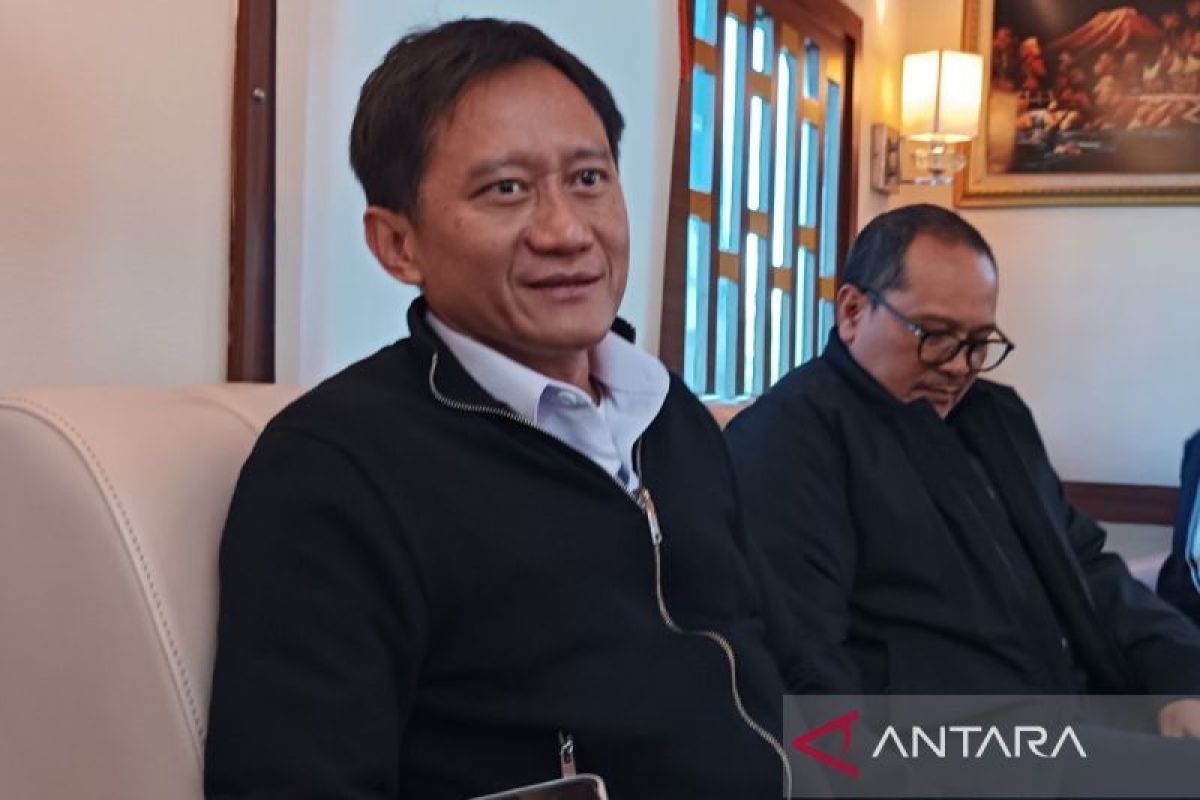
Subang, West Java (ANTARA) - PT Kereta Api Indonesia (KAI) is striving to increase company revenue by utilising existing assets, as 96 per cent of the company’s revenue has historically been supported by ticket sales.
“So far, 96 per cent of KAI’s revenue comes from its train operations; only 4 per cent is what we refer to as ‘non-fare box’ revenue,” said the President Director of PT Kereta Api Indonesia (Persero), Bobby Rasyidin, during a discussion with the media while travelling on a tourist train from Yogyakarta to Jakarta on Wednesday.
According to him, railway operators in several countries have achieved significant dominance through non-ticket revenue, such as in Japan and Hong Kong’s MTR, by maximising non-fare box income.
To this end, Bobby stated that the company will maximise its owned assets to provide added value for the firm.
“At present, it is only at 2.1 per cent. We are beginning to empower these ‘underleveraged’ assets. Currently, there is only one business model that I refer to as ‘fare box’,” he said.
Bobby explained that ‘fare box’ revenue refers to the company relying solely on one primary business model, which is selling tickets to passengers travelling from one city to another.
Bobby added that KAI is currently maximising four main pillars to increase company revenue: first, strengthening operations; second, asset utilisation; third, increasing ridership; and fourth, strengthening railway industrialisation.