
KAI showcases railway heritage at Lawang Sewu and Ambarawa Museum
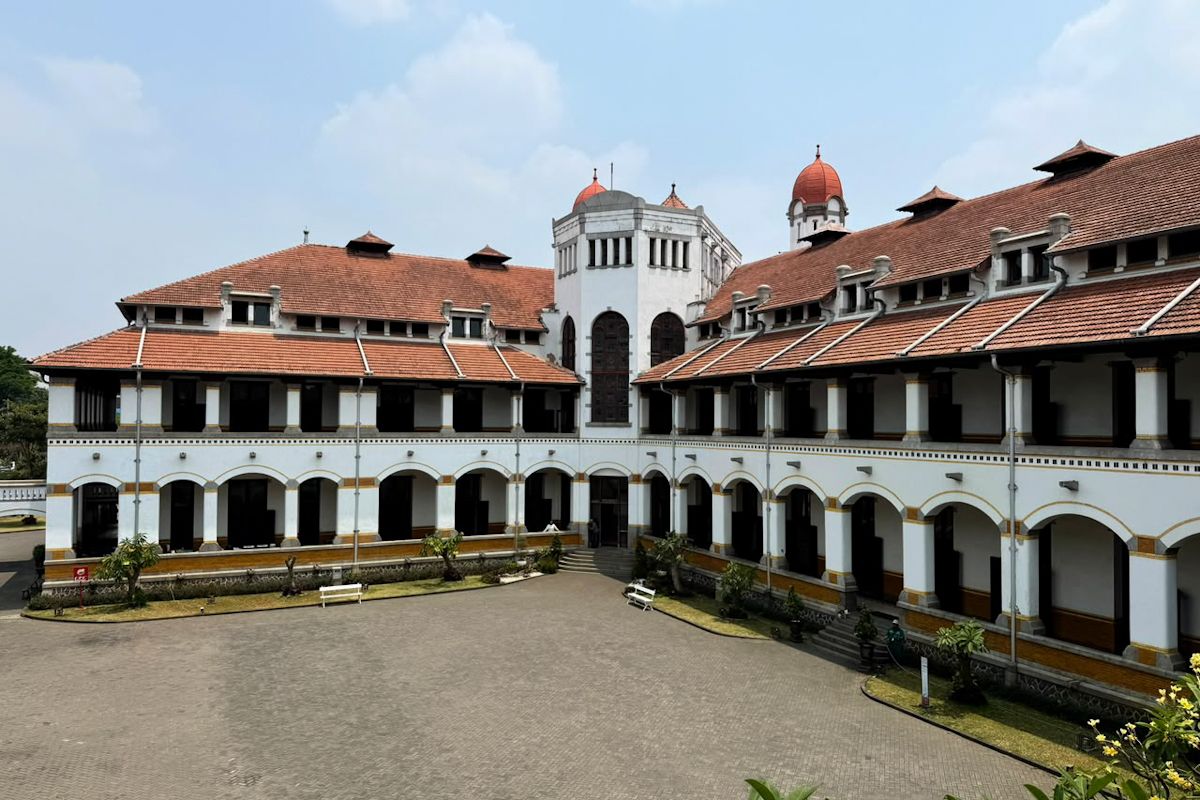
Jakarta (ANTARA) – At the 2026 Rail Heritage Forum at Lawang Sewu, KAI highlighted the 159-year history of Indonesia’s railways and the potential of its museums as educational and historical tourism destinations.
State-owned railway operator PT Kereta Api Indonesia (Persero), or KAI, continues to develop its heritage assets as spaces for education and historical preservation, as well as tourist destinations. A number of historic buildings, stations and railway facilities across Java and Sumatra now enable people of different generations to learn about the long history of Indonesia’s railways.
Public interest in historical tourism is reflected in visits to two of KAI’s heritage destinations in Central Java. From 2024 to August 2026, Lawang Sewu in Semarang and the Ambarawa Railway Museum in Semarang regency recorded a combined 2,127,125 visits.
Of that total, Lawang Sewu received 1,636,638 visits, while the Ambarawa Railway Museum welcomed 490,487. The figures reflect strong public interest in destinations offering a direct experience of history.
KAI Vice President of Corporate Communications Anne Purba said railway history was closely connected to the lives of Indonesians. For more than a century and a half, railways have been part of the development of cities, economic activity, technological progress and major events in the country’s history.
“Behind every old station, steam locomotive and historic building are stories about the people and Indonesia’s journey. We want KAI’s museums to be places where children, families and younger generations can learn about history in a way that feels accessible, engaging and memorable,” Anne said.
KAI offers a number of destinations with distinct historical experiences, including Lawang Sewu and the Ambarawa Railway Museum in Central Java, the Bondowoso Railway Museum in East Java, and the Sawahlunto Railway Museum in West Sumatra.
Lawang Sewu is one of Semarang’s best-known historic buildings. First used in 1907 as the administrative headquarters of the Nederlandsch-Indische Spoorweg Maatschappij (NIS), the building now introduces visitors to the history of railways through artefacts, documents and information about the development of rail transport in Indonesia.
The Ambarawa Railway Museum offers a different experience, with its collection of steam locomotives and historic carriages, as well as displays tracing railway technology in a mountainous area. The museum is housed in the former Willem I Station, which began operating on 21 May 1873, when the Kedungjati–Ambarawa line opened.
Source: jawawa.id (https://jawawa.id/newsitem/kai-showcases-railway-heritage-at-lawang-sewu-and-ambarawa-museum-1793803950)
Originally published by Antara (Indonesian) (https://www.antaranews.com/berita/5832299/kai-kenalkan-warisan-perkeretaapian-lawang-sewu-dan-museum-ambarawa), translated from Indonesian