
KAI Retail Freight Reaches 61,187 Tonnes in First Quarter of 2026, Supporting Community Economic Activity
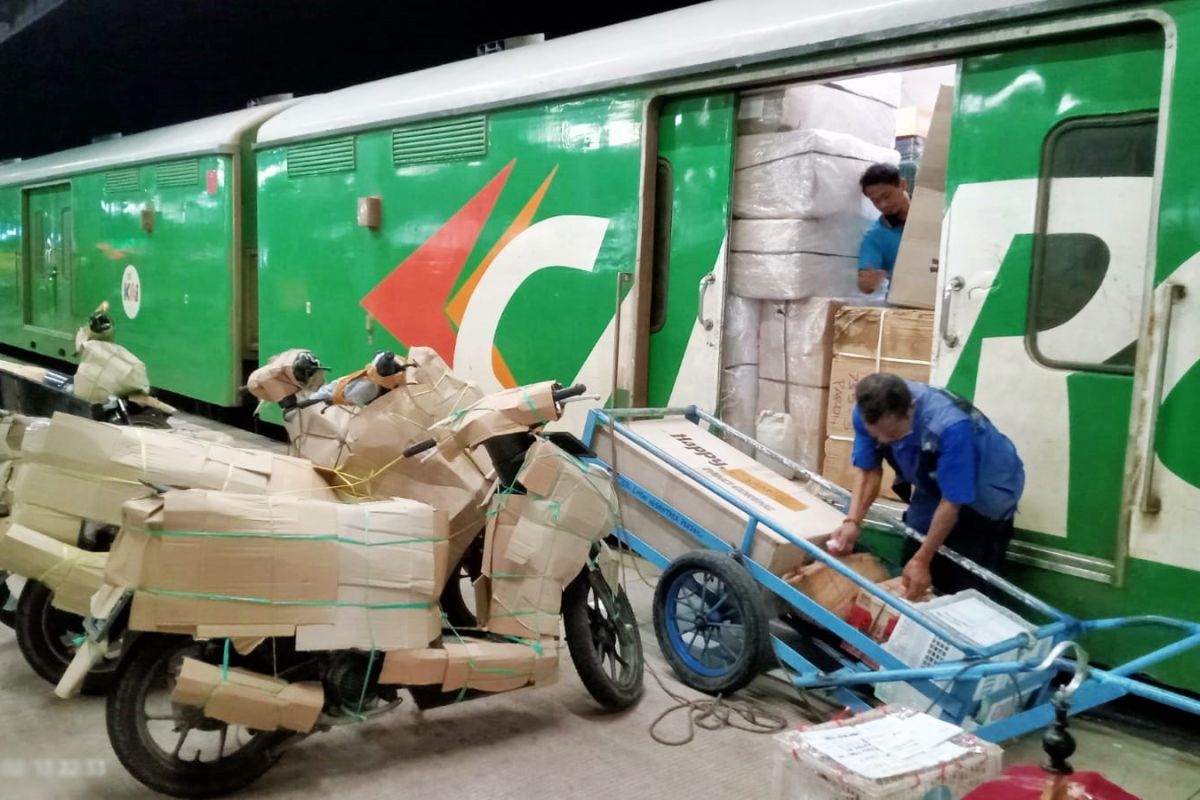
Jakarta (ANTARA) - PT Kereta Api Indonesia (Persero) recorded positive performance in its retail freight services during the first quarter of 2026. From January to March 2026, the retail freight volume reached 61,187 tonnes, an increase compared to the same period the previous year, which was recorded at 60,544 tonnes. This movement demonstrates ongoing goods distribution accommodated by rail services.
Railway services are increasingly utilised as an efficient and affordable distribution option. Goods transport via rail lines helps maintain smooth supply flows, particularly for daily community needs and ongoing business activities.
KAI Vice President of Corporate Communication, Anne Purba, stated that retail freight plays an important role in supporting economic activities.
“Every shipment carried out via rail brings benefits to many parties, from business actors to the public who receive goods more quickly and affordably,” said Anne.
KAI’s retail freight service is operated through business-to-business (B2B) cooperation with various logistics partners. In practice, this service connects to the broader community’s needs through collaborations with expedition companies, e-commerce fulfilment services, and delivery providers that form part of the distribution chain.
Behind this movement, retail freight also supports small and medium-sized enterprises (UMKM) in expanding their market reach. Food products, fashion, and crafts can be shipped efficiently with maintained delivery times. This helps business actors preserve product quality while increasing competitiveness.
For the public, this service is integrated into daily life. Packages sent via expedition services, online shopping orders, and local business needs become part of the distribution connected to rail services. The orderly delivery flow helps ensure goods availability.
Operationally, rail services provide schedule certainty and consistent carrying capacity. This adds value for logistics partners in planning more effective distributions, while maintaining service quality to end customers.
“Retail freight is part of KAI’s efforts to provide logistics services relevant to current needs. We continue to maintain service quality so that goods distribution can run smoothly and its benefits can be felt by business actors and the public,” Anne concluded.