
KAI Reports 88 Percent of Level Crossing Accidents Caused by Motorists Ignoring Barriers
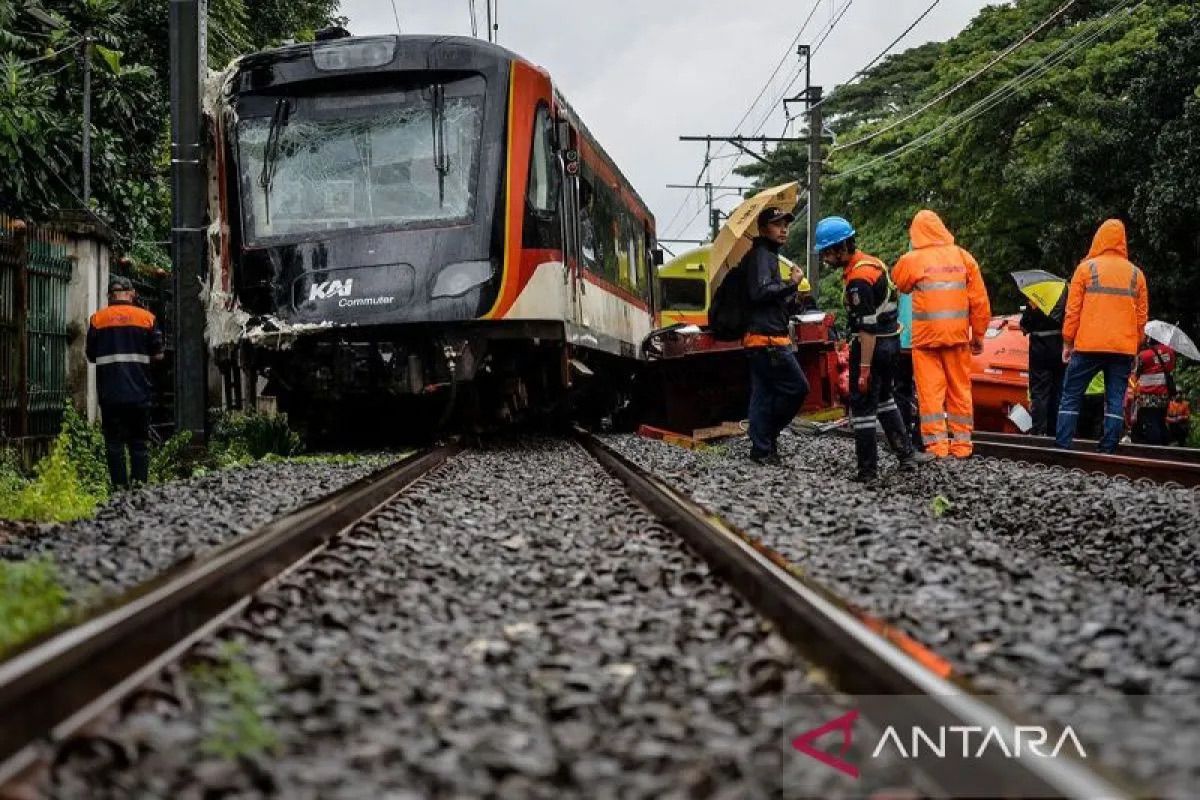
PT Kereta Api Indonesia (Persero) has reported that the majority of accidents at level crossings are caused by road users ignoring safety regulations. Vice President of Corporate Communication at KAI, Anne Purba, stated that as of 22 June 2026, there had been 134 accidents at level crossings, with 118 incidents, or 88 percent, triggered by motorists ignoring closed barriers. Other causes included seven incidents of vehicle breakdowns and six incidents where barriers were late or failed to close. Purba emphasised that discipline at level crossings is the key to preventing accidents, particularly during the 2026 school holiday period when mobility tends to increase. She urged road users to build a habit of safety by stopping briefly, looking right and left, listening to the surroundings, obeying signals, and only crossing once it is truly safe. A closed barrier is a mandatory command to stop, and an open barrier does not mean a road user can cross without vigilance. KAI noted that trains have a dedicated track and require a long braking distance, making vehicles that force their way through crossings extremely vulnerable to high-risk accidents. A single reckless decision can impact families, other road users, officers, train passengers, and the surrounding community. Data up to 22 June 2026 recorded 113 total victims from level crossing accidents, comprising 48 fatalities, 29 serious injuries, and 36 minor injuries. A total of 134 vehicles were involved, with motorcycles accounting for 57 percent and cars 43 percent. Accidents occurred at both guarded and unguarded crossings, with 62 incidents at guarded crossings and 72 at unguarded ones. Compared to the same period in 2025, the number of accidents decreased by 3 percent from 138 to 134 incidents, affected vehicles dropped by 7 percent, and total victims fell by 25 percent. Despite the improving trend, KAI considers the 48 fatalities a serious alarm. The company is intensifying safety campaigns and engaging local governments, law enforcement, transportation agencies, schools, communities, and families to reinforce the message of safety at level crossings.