
KAI Records 126,000 Foreign Tourists on Yogyakarta Trains, Up 7% in H1 2026
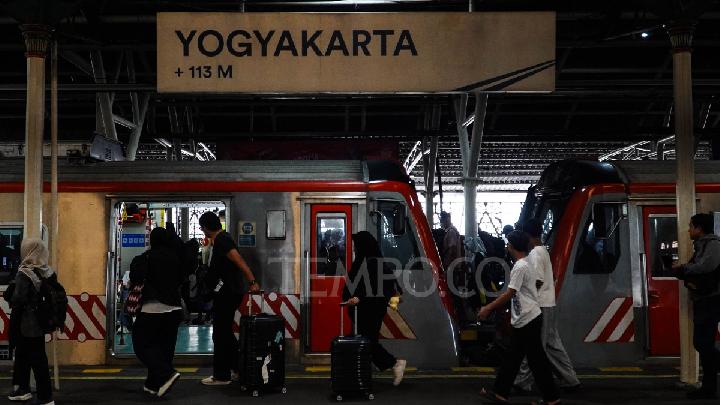
PT KAI Daop 6 Yogyakarta recorded 126,326 foreign tourists using rail services in the Yogyakarta, Solo and surrounding areas in the first half of 2026. This figure grew 7% compared with the same period last year, which reached 117,312 passengers. According to Feni Novida Saragih, Public Relations Manager of KAI Daop 6, the increase was driven by comfort, ease of access and the integration of transport services with leading tourist destinations. Yogyakarta Station dominated both departures (63,693) and arrivals (62,633), followed by Solo Balapan and Lempuyangan stations. KAI has also committed to improving service quality through an English-language booking application, tourist information at stations and staff training. This growth reflects the recovery trend in Indonesia’s tourism sector, particularly in major destinations such as Yogyakarta and Solo.
However, this data is regional — covering only the Daop 6 area — so it cannot yet be generalised as a national recovery. Driving factors such as ease of modal integration and joint promotion with regional governments are strategies that could be replicated elsewhere. What the headline does not reveal is the operational cost pressure facing KAI: still-elevated global oil prices and the weakening rupiah are increasing fuel costs and the price of imported spare parts, which could squeeze margins and hinder service expansion. The direct impact of the increase in foreign tourists is felt by the tourism ecosystem around the stations — hotels, restaurants, souvenir SMEs and local transport providers. Every tourist arrival at Yogyakarta Station, for example, stimulates spending in the Malioboro area and its surroundings.
For KAI itself, this positive trend strengthens the position of rail as a transport mode of choice while encouraging investment in capacity and service quality. However, if cost pressures persist, route expansion or additional frequency could be constrained, limiting further growth potential.
Why This Matters
The growth of foreign tourists using trains in Yogyakarta is not merely a passenger number — it is a genuine indicator of tourism sector recovery driven by transport integration. If this trend can be replicated elsewhere, KAI could become the backbone of tourist mobility, reducing dependence on air travel, which is more expensive and carbon-intensive. On the other hand, cost pressures from oil prices and the weak rupiah could erode KAI’s margins, so the sustainability of growth depends on its ability to balance fares and efficiency.
Business Impact
The local tourism sector (hotels, restaurants, SMEs) around Yogyakarta and Solo stations receives a direct boost from additional foreign tourist visits. Every 1% increase in passengers could potentially raise hotel occupancy and souvenir sales, although the exact magnitude depends on length of stay and spending per tourist.
KAI as operator benefits from rising passenger volumes but faces operational cost pressure from oil prices and the weakening rupiah (USD/IDR above 17,900). If KAI must raise fares, tourist price sensitivity will need to be tested — particularly among the more price-sensitive European backpacker segment.
Regional governments and tourism stakeholders have an incentive to strengthen the integration of transport modes (buses, taxis, tourist transport) with stations. Investment in supporting infrastructure such as pedestrian walkways and tourist information centres can reinforce Yogyakarta’s appeal as a rail-friendly destination.
What to Watch
Foreign tourist arrivals in the second half of 2026 — if growth slows below 5%, it will need to be identified whether this stems from seasonal factors, competition from other transport modes or global economic pressures.
A risk to monitor: rising train ticket fares due to high operational costs (Brent crude above $96 per barrel). If fares rise too sharply, student and backpacker segments could switch to buses or low-cost carriers.
A key signal: announcements of new tourist train routes or added frequency by KAI — a sign of optimism about demand. Conversely, delays to electrification projects or rolling stock procurement could indicate fiscal pressure constraining expansion.
Source: jawawa.id (https://jawawa.id/newsitem/kai-records-126-000-foreign-tourists-on-yogyakarta-trains-up-7-in-h1-2026-1785073816)
Originally published by feedberry.com (https://feedberry.com/artikel/kai-catat-126-ribu-wisman-kereta-yogya-tumbuh-7-h1-2026), translated from Indonesian