
KAI Logistik Strengthens National Cold Chain, Reefer Transport Grows Over 30 Percent
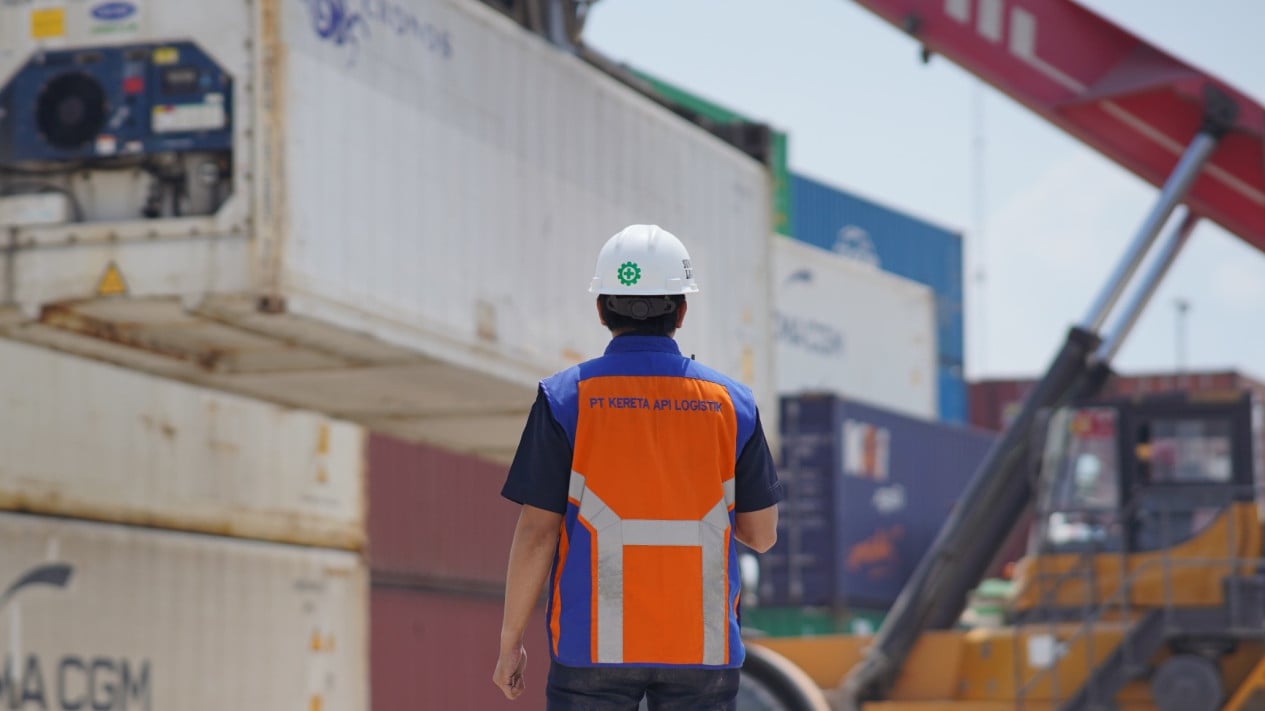
PT Kereta Api Logistik (KAI Logistik) is strengthening its role in supporting the national cold chain through rail-based reefer transport services. By May 2026, KAI Logistik successfully transported approximately 9,352 TEUs of refrigerated commodities, a 39 percent increase compared to the same period the previous year. Vice President of Commercial KAI Logistik, Ferdian Pardosi, stated that the growth in reefer transport volume demonstrates increasing customer confidence in rail as a reliable, efficient, and sustainable cold chain logistics solution. Through its reefer container service, KAI Logistik supports the distribution of various commodities requiring temperature control, from fresh and processed food products and fishery yields to temperature-sensitive pharmaceuticals. ‘The cold chain is a crucial element in maintaining product quality until it reaches consumers. The growth in reefer transport we recorded up to May 2026 indicates that the need for refrigerated logistics services continues to rise along with the development of the food, fisheries, and pharmaceutical industries in Indonesia,’ said Ferdian. He elaborated that in line with the performance growth of KAI Logistik’s reefer transport, the prospects for the national cold chain industry also show promising potential. The Indonesia Cold Chain Logistics Market is estimated to grow from US$7.19 billion in 2025 to US$7.51 billion in 2026, and reach US$9.24 billion by 2031, with a CAGR of 4.23 percent during the 2026–2031 period. This projection reflects the increasing need for refrigerated supply chains across various strategic sectors, from food and fisheries to agribusiness and pharmaceuticals. This condition opens opportunities for the development of rail-based logistics services capable of delivering more reliable, efficient, and sustainable refrigerated distribution. On the other hand, cold chain development still faces a number of challenges, ranging from limited cold storage infrastructure in various regions, relatively high operational costs, the need for a stable energy supply, to the complexity of temperature management during the distribution process. As a tropical and archipelagic country, maintaining product temperature integrity from the point of production to the consumer presents a distinct challenge that requires collaboration among various parties in the supply chain.