
KAI Group's PSO Services Serve 232.75 Million Passengers in First Half of 2026
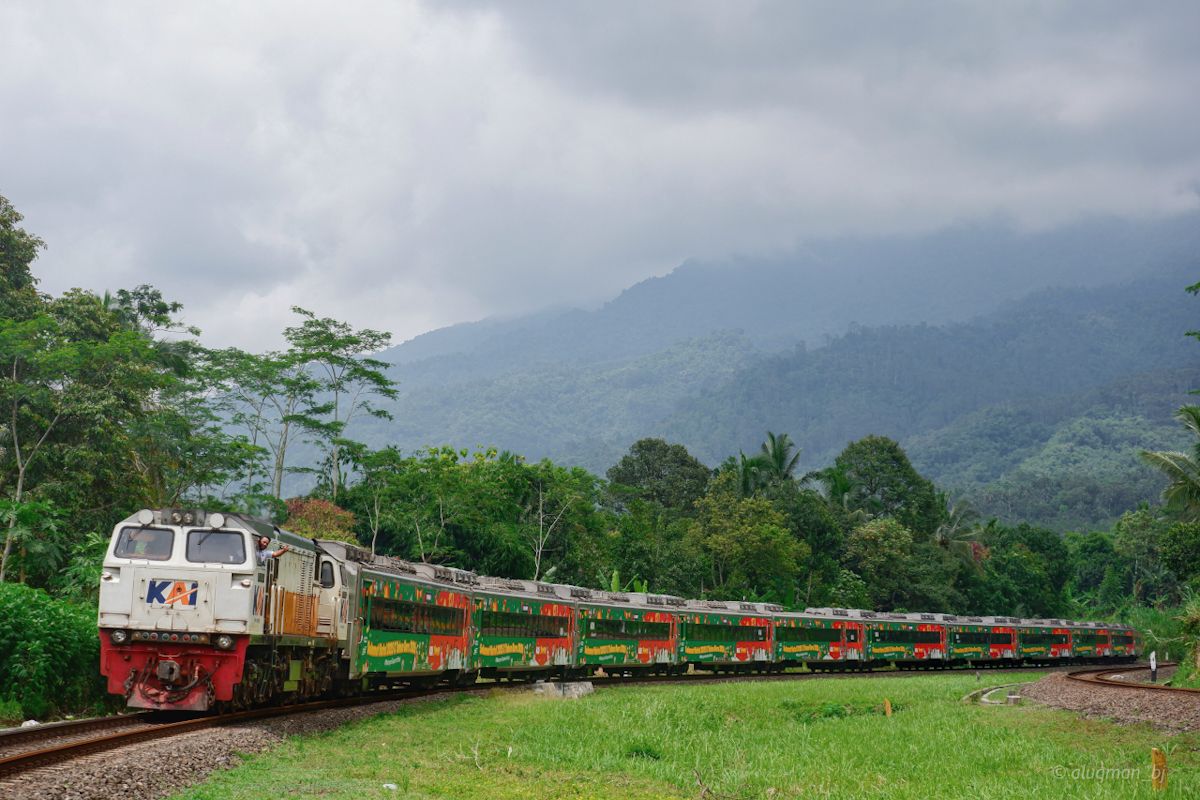
PT Kereta Api Indonesia (Persero) has reported that its Public Service Obligation (PSO) services within the KAI Group ecosystem served 232,746,598 passengers during the first half of 2026. This figure encompasses PSO long-distance trains, PSO local trains, urban services managed by KAI Commuter, the Jabodebek LRT, and select KAI Airport services in Yogyakarta and Medan.
Vice President of Corporate Communication at KAI, Anne Purba, stated that this achievement underscores the significant role of affordable public transport in daily life. She noted that behind the 232.75 million passengers are countless stories of workers commuting for their families, students travelling to learn, parents seeking medical treatment, small traders moving goods, and families reuniting.
During the first semester of 2026, PSO train services directly managed by KAI served 9,528,355 passengers, comprising 5,945,921 long-distance PSO passengers and 3,582,434 local PSO passengers. Within the broader KAI Group ecosystem, KAI Commuter’s urban services carried 204,151,200 passengers, the Jabodebek LRT served 16,018,911 passengers, and subsidised airport train services in Yogyakarta and Medan handled 3,048,132 passengers. The airport services include the regular YIA Airport Train, the Medan–Kualanamu Srilelawangsa Train, and the Medan–Kuala Bingei Srilelawangsa Train.
Purba explained that the benefits of PSO and subsidies are directly felt by the public, as more affordable fares help families manage daily expenses. Savings on transport costs can be redirected towards household needs, children’s education, medical expenses, or small business capital. She added that for many, PSO trains are part of their daily struggle, enabling them to continue working, studying, and accessing healthcare.
KAI believes that PSO and subsidised services also play a role in strengthening the local economy. Affordable mobility helps workers remain productive, facilitates access to education for students, brings communities closer to health facilities, and sustains economic activity across various regions. Urban services like the Commuter Line and Jabodebek LRT have become integral to the daily routines of millions, supporting travel to offices, schools, campuses, public service centres, hospitals, markets, and economic hubs. Meanwhile, long-distance and local PSO trains maintain intercity and interregional connectivity, providing affordable travel options for families, students, workers, and traders.
Purba concluded that the government’s role is crucial in maintaining public transport access, and KAI is committed to carrying out this mandate by ensuring services remain safe, comfortable, punctual, clean, and closely aligned with community needs.