
KAI Group Transports 214 Million Passengers in First Five Months of 2026
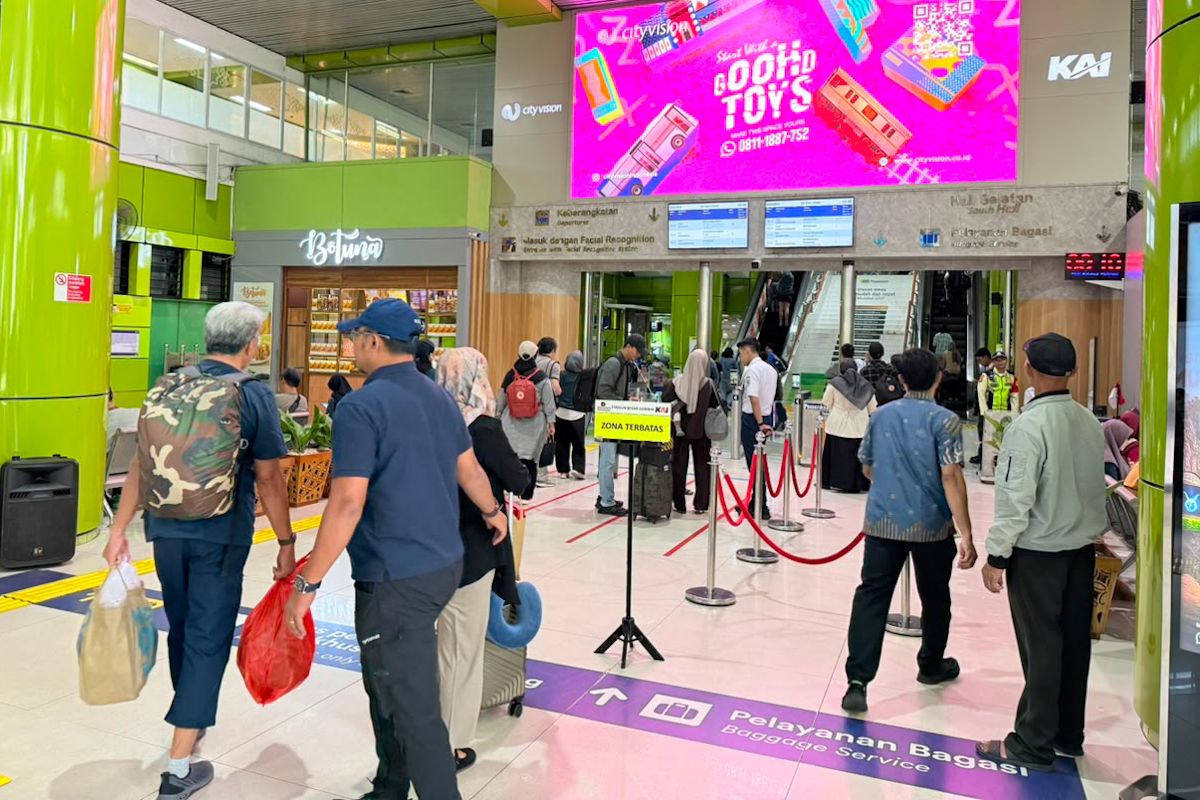
PT Kereta Api Indonesia (Persero) Group transported 214,045,803 passengers between January and May 2026, reflecting high public mobility and the growing role of rail transport in supporting national connectivity and economic growth. Vice President of Corporate Communication at KAI, Anne Purba, stated in Jakarta on Thursday that the figure represents a 7.20% increase compared to the 199,663,907 passengers served during the same period in 2025. She noted that this growth demonstrates the increasingly important role of rail-based transport in connecting communities across various regions of Indonesia.
The largest contributor to the group’s passenger volume was KAI Commuter, which served 169,047,811 customers, a 6.24% rise from 159,111,614 in the first five months of 2025. With this volume, KAI Commuter is one of the largest rail-based mass transit systems in Southeast Asia. The service daily connects residential areas with centres of employment, education, trade, and public services in the Jakarta metropolitan area and its surroundings, a role that has become more critical with the growth of satellite cities driving increased commuter travel demand. These passenger flows link various economic centres, industrial zones, educational hubs, trade centres, and tourist destinations across Java and Sumatra, supporting labour mobility, business activities, and the development of domestic tourism.
Modern urban rail services also recorded significant growth. LRT Jabodebek served 13,211,856 passengers, a 23.16% increase from 10,727,798 in the same period of 2025, highlighting its strengthening role in supporting mobility within the Jakarta, Bogor, Depok, and Bekasi areas. Integration with KRL, intercity trains, bus services, and transit-oriented developments has expanded the reach of public travel within a connected transport ecosystem. Airport rail services also grew, with KAI Bandara serving 2,905,389 passengers, a 1.78% increase, through the Srilelawangsa train in Medan and the YIA train in Yogyakarta, offering more reliable travel times to airports. KCIC’s Whoosh high-speed train served 2,415,736 passengers, up 1.43%, strengthening the economic link between Jakarta and Bandung by enabling same-day return trips for business actors, professionals, and tourists.
In eastern Indonesia, the Makassar-Parepare railway served 145,735 passengers, a 25.48% increase, indicating growing utilisation of rail services in South Sulawesi to access economic centres, educational facilities, public services, and tourist destinations along the route. The tourism segment recorded the highest growth, with KAI Wisata serving 131,843 passengers, a 72.78% jump, driven by domestic tourism trends and unique travel experiences offered by panoramic, tourist, and special trains, as well as compartment suites. Meanwhile, the South Sumatra LRT served 1,815,017 passengers, connecting residential areas, business centres, offices, universities, the Jakabaring sports complex, and Sultan Mahmud Badaruddin II International Airport in Palembang, providing reliable travel times amid growing urban activity.
Anne Purba added that the increase in passenger numbers across the KAI Group demonstrates the expanding role of rail-based transport in supporting public mobility and strengthening inter-regional connectivity. She affirmed that KAI Group will continue to improve service quality, strengthen intermodal integration, and deliver connectivity that supports sustainable economic growth and national mobility.