
KAI deploys economy and generator cars to bolster Sumbagsel fleet
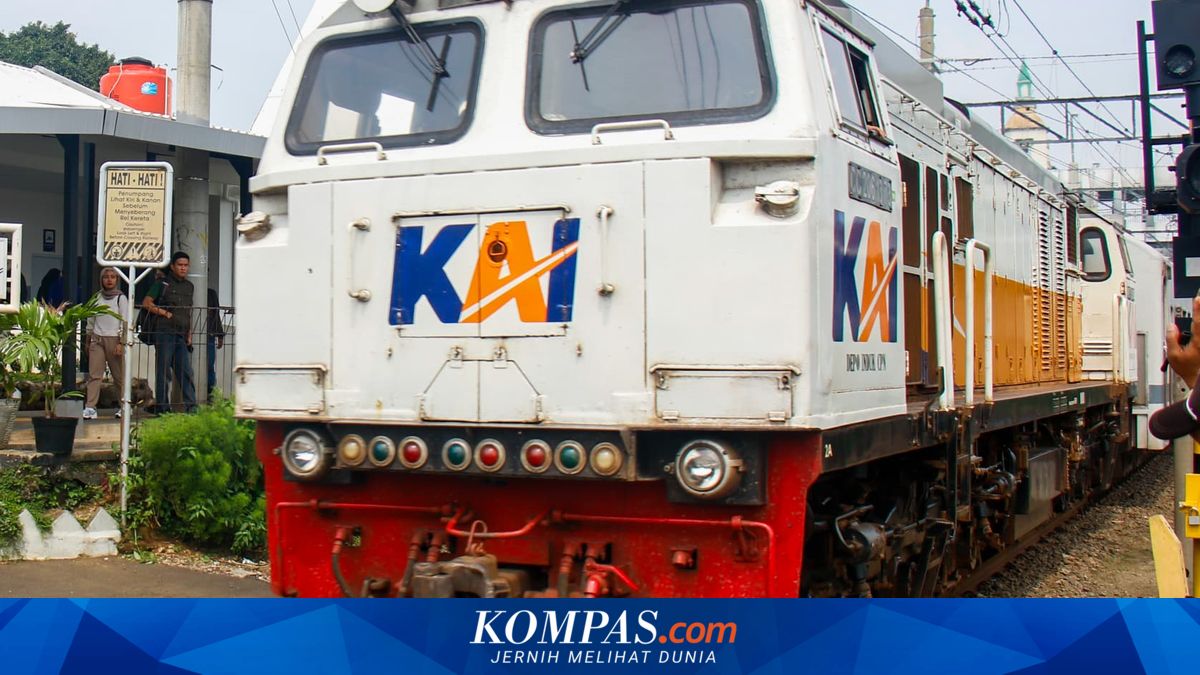
PT Kereta Api Indonesia (Persero) has added passenger capacity in Lampung and South Sumatra by distributing 25 rolling stock units from Operational Region 1 Jakarta to Regional Division IV Tanjungkarang and the South Sumatra (Sumbagsel) region. The fleet expansion aims to accommodate growing passenger mobility on train services in the region. Vice President for Corporate Communications Anne Purba stated the addition of rolling stock is part of the company’s efforts to maintain reliable passenger services in Sumatra, particularly on routes with rising passenger volumes throughout 2026. According to delivery progress, KAI is rolling out the units in phases from May to June 2026. The process begins with loading at Jakarta International Container Terminal (JICT), followed by transportation to the sea crossing, then delivery to the Rajabasa area. The 25 units comprise economy class (K3), dining (M1), and generator cars (P) to support passenger services in Sumbagsel. This fleet reinforcement aligns with passenger growth on train services in Regional Divisions III Palembang and IV Tanjungkarang. From January to April 2026, passenger volumes on train services in the region have continued to rise. For instance, the Rajabasa service handled 301,658 passengers, a 32.92% increase compared to 226,946 in the same period in 2025. Meanwhile, the Kuala Stabas service served 246,555 passengers from January to April 2026, up from 237,761 in the same period last year. Anne noted the trend reflects growing intercity mobility needs in Sumatra, particularly for public transport with high capacity and predictable travel times. Anne said KAI is also synchronising rolling stock deliveries, preparing distribution routes, and coordinating technical transport arrangements to ensure all stages proceed as per operational plans. “This fleet strengthening is prepared so that service capacity in Sumatra can keep pace with positive passenger growth,” Anne said. “KAI continues to monitor operational needs across regions to ensure optimal service for the public,” she added.