
KAI confirms all diesel assets ready for B50 biodiesel implementation
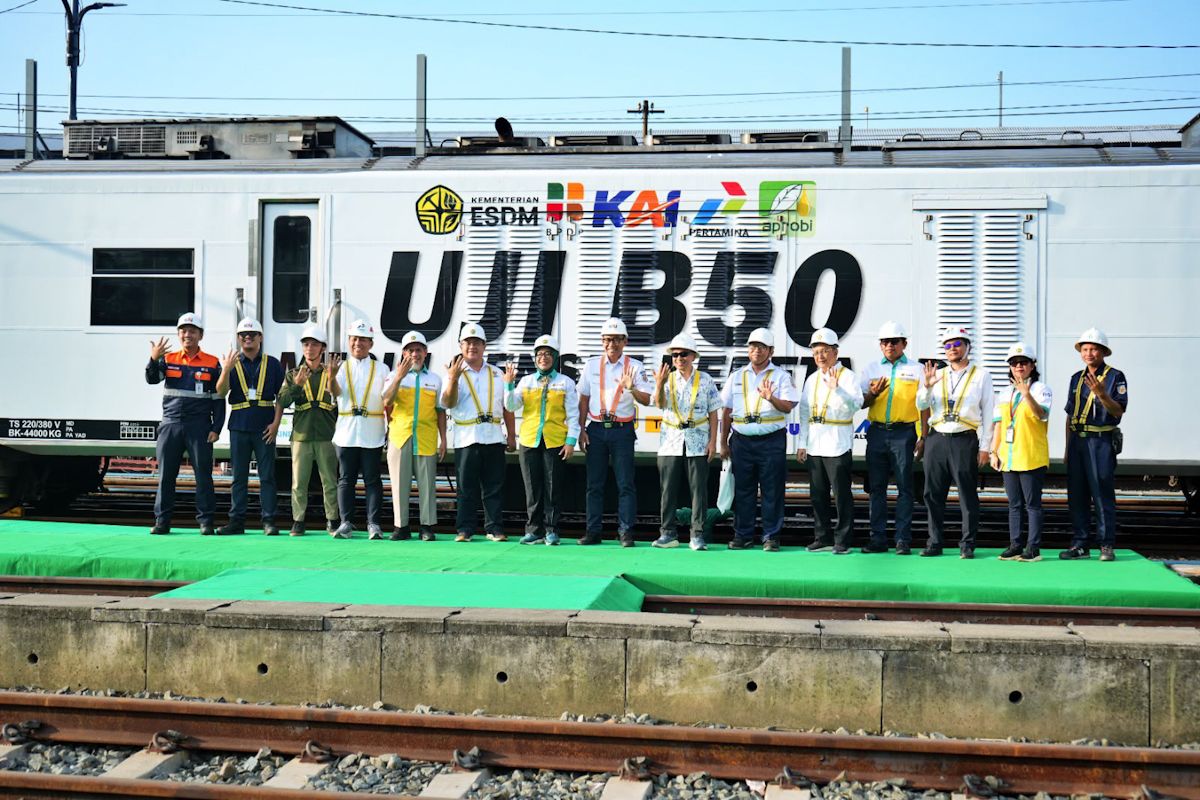
PT Kereta Api Indonesia (Persero) has ensured that all diesel rolling stock is ready to implement the use of B50 biodiesel, following the government mandate set to take effect from 1 July 2026.
“KAI’s readiness is in line with the B50 biodiesel mandate that the government will begin enforcing from 1 July 2026,” said KAI Vice President of Corporate Communication, Anne Purba, in Jakarta on Thursday.
She stated that this readiness encompasses locomotives and power cars, which are vital components of diesel-based railway operations.
The Ministry of Energy and Mineral Resources (ESDM) has indicated that the implementation of B50 will be accompanied by a three-month transition period to allow for field adjustments, including the management of existing stocks and the process of moving towards full B50 usage.
Anne noted that KAI supports the government’s policy to strengthen the use of plant-based energy derived from domestic resources. This support is being demonstrated through equipment readiness, technical field trials, and the reinforcement of safety and operational reliability.
“KAI supports the government’s B50 biodiesel mandate. From a rolling stock perspective, all KAI locomotives and diesel equipment are ready to implement B50 after undergoing technical field trials and strengthening operational safety aspects,” said Anne.
She explained that this readiness was bolstered through field tests conducted alongside the Ministry of Energy and Mineral Resources on diesel-based railway equipment. The testing was carried out to ensure that B50 usage aligns with the operational characteristics of both locomotives and power cars.
For locomotives, the testing focused on observing engine response when using B50 during train operation patterns. Monitoring included engine performance, combustion stability, fuel consumption, and the condition of key components to ensure the rolling stock remains reliable for passenger services.
For power cars, testing involved inspecting generator set performance, fuel consumption, emissions, filter conditions, and operational durability. This stage is crucial as power cars are responsible for maintaining the electricity supply to ensure passenger comfort during journeys.
“The use of B50 in railway rolling stock requires measured technical readiness. Therefore, KAI is conducting testing, monitoring, and evaluation to ensure its implementation remains aligned with railway operational safety standards,” she explained.
In terms of sustainability, the implementation of B50 strengthens KAI’s contribution to the national energy transition agenda. Increasing the biodiesel blend helps expand the use of domestic renewable energy, reduces fossil diesel consumption, and supports emission reduction efforts in the transport sector.
KAI has also been gradually using biodiesel in its diesel operations, progressing from B35 to B40. This experience serves as part of KAI’s preparation for the B50 phase using a technical approach that is safe, measured, and in accordance with operational needs.
“KAI is ready to implement B50 usage in accordance with government directives. We have prepared all diesel rolling stock so that this energy transition can proceed while maintaining travel safety, operational reliability, and the quality of service to the public,” she concluded.