
KAI Closes 94 of 172 Priority Level Crossings
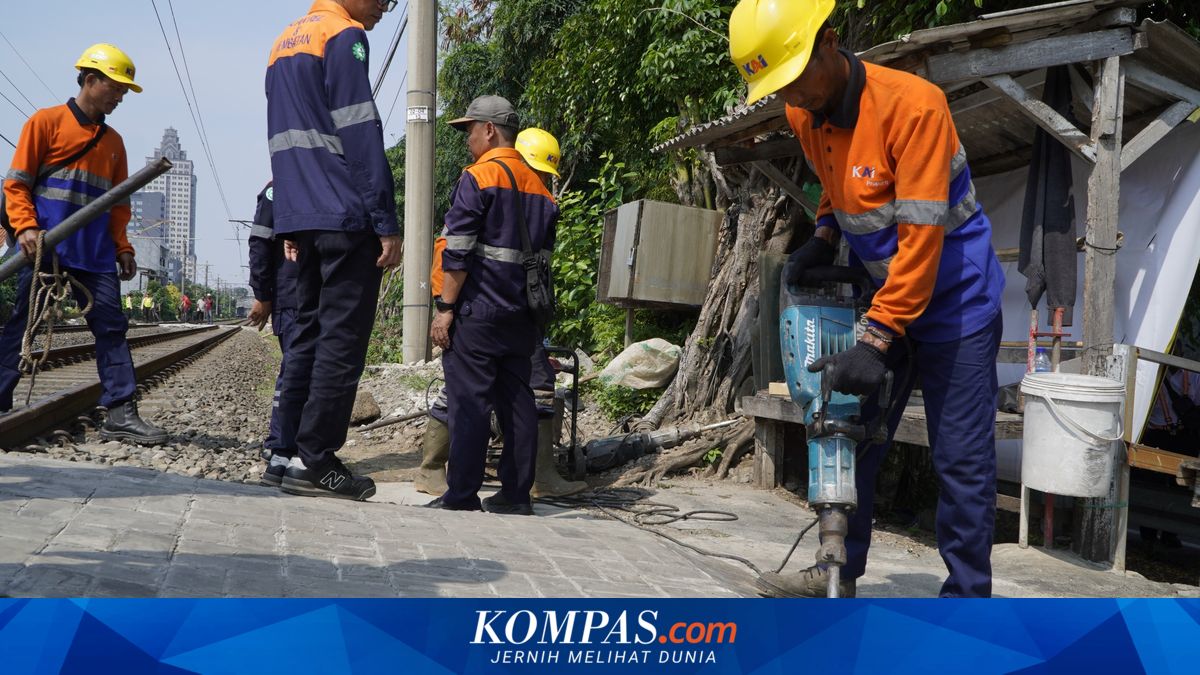
PT Kereta Api Indonesia (KAI) has closed 94 of 172 priority level crossings across various operational regions. There are currently 3,674 level crossings in Indonesia, with 1,810 sites prioritised for safety improvements.
All 172 priority level crossings are targeted for closure due to limited road conditions and high risk levels, said Anne Purba, KAI’s Vice President of Corporate Communications, in a statement on Monday, 25 May 2026.
As of 23 May 2026, KAI, in collaboration with stakeholders, has completed the closure of 94 level crossings, approximately 55% of the initial target, she added.
Several regions have achieved 100% progress, including North Sumatra Regional Division I, Palembang Regional Division III, Bandung Operation Area 2, Cirebon Operation Area 3, Yogyakarta Operation Area 6, Madiun Operation Area 7, and Surabaya Operation Area 8.
Meanwhile, KAI is reinforcing safety measures at active crossings with high vehicle volumes. Field surveys indicate several crossings are located in areas with growing residential and economic activity.
In South Sumatra and Lampung, for example, the Sukamerindu-Tanjung Rambang crossing has a 13-metre-wide road, while the Air Asam-Sukamerindu site spans 12 metres, both heavily used daily by logistics vehicles and general road traffic.
Anne Purba stated that these conditions make safety improvements at level crossings increasingly urgent. Alongside closing high-risk sites, KAI is accelerating the construction of flyovers and underpasses in areas with high vehicle traffic.
“Public mobility continues to grow annually, so level crossing management must accelerate to ensure the safety of both train operations and road users,” she added.
In addition to strengthening safety infrastructure, PT Kereta Api Indonesia is speeding up the deployment of crossing guards. The current requirement for 4,914 personnel to secure 1,638 priority sites is being addressed through phased recruitment, training, and certification in collaboration with local governments and the Directorate General of Railways.
“Railway safety requires consistent on-ground management. The faster high-risk sites are assessed, managed, and safeguarded collectively, the greater the safety margin that can be provided for the public,” Anne said.