
KAI Cirebon records 288,282 passengers using Face Recognition
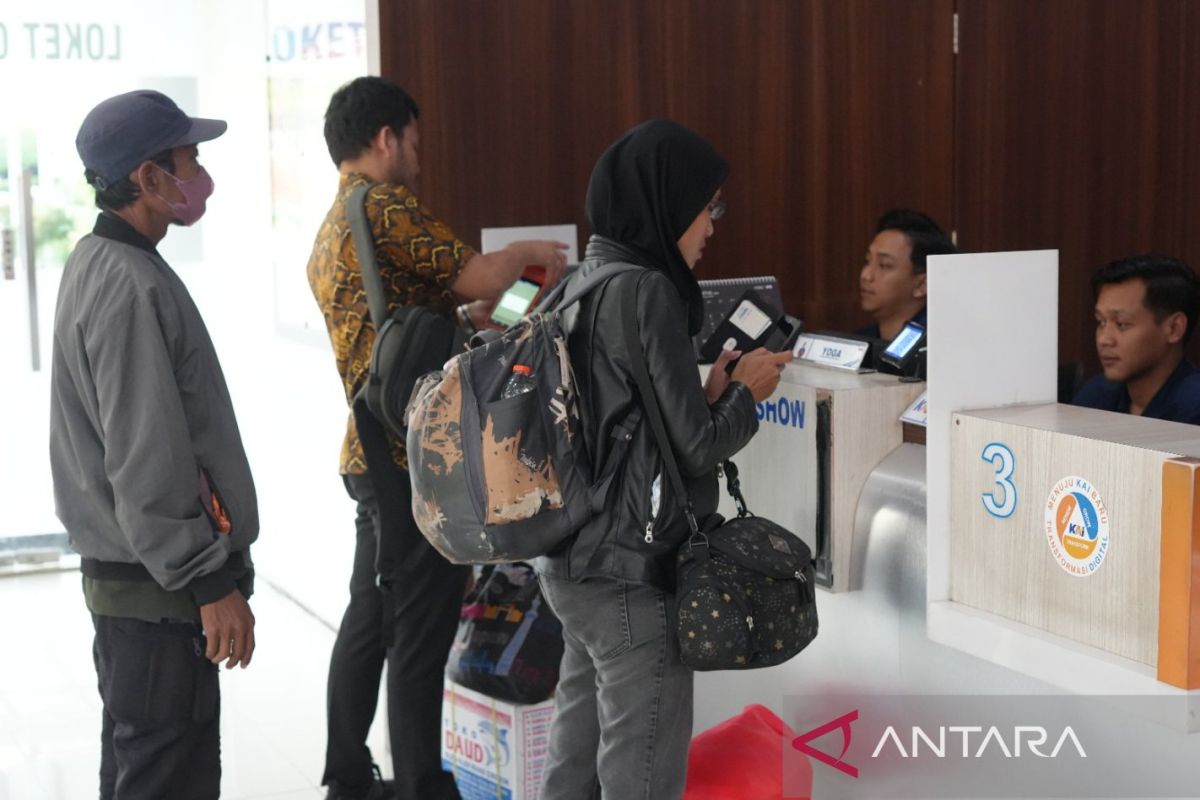
PT Kereta Api Indonesia (KAI) Operational Area (Daop) 3 Cirebon, West Java, recorded that 288,282 passengers in the area used the Face Recognition Boarding Gate facility during January–July 2026.
Public Relations Manager of PT KAI Daop 3 Cirebon Muhibbuddin, when confirmed in Cirebon on Wednesday, said the number of users of the facility increased by 70,788 customers, or 32.5 per cent, compared with the same period in 2025, which recorded 217,494 customers.
“The use of the Face Recognition Boarding Gate continues to increase, showing that customers increasingly appreciate the ease and speed of digital services in the boarding process,” he said.
He explained that the facility allows long-distance train customers to complete the boarding process with facial verification without needing to show a physical ticket or identity card again.
“In the KAI Daop 3 Cirebon area, the Face Recognition Boarding Gate facility is available at Cirebon Station and Cirebonprujakan Station,” he said.
According to him, Cirebon Station was the location with the most users, namely 214,994 customers, while Cirebonprujakan Station recorded 73,288 customers.
Muhibbuddin said the increased use of the facility is part of KAI’s digital transformation to provide more practical, faster and more comfortable services for customers.
“The digital transformation carried out by KAI aims to deliver an increasingly easy and comfortable travel experience,” he said.
In addition to speeding up the boarding process, he said, the application of facial recognition technology is also part of KAI’s efforts to maintain service security and customer data protection.
The company has also implemented international information security standards, namely ISO 27001, in the management of its digital systems.
Muhibbuddin added that the use of the facility also provides benefits for the efficiency of paper-based material use, because customers do not need to use physical tickets during the boarding process.
“Digitalisation through Face Recognition is one of the steps to reduce the use of paper rolls while making the boarding process faster and more efficient,” he said.